Tea Basics
9 articles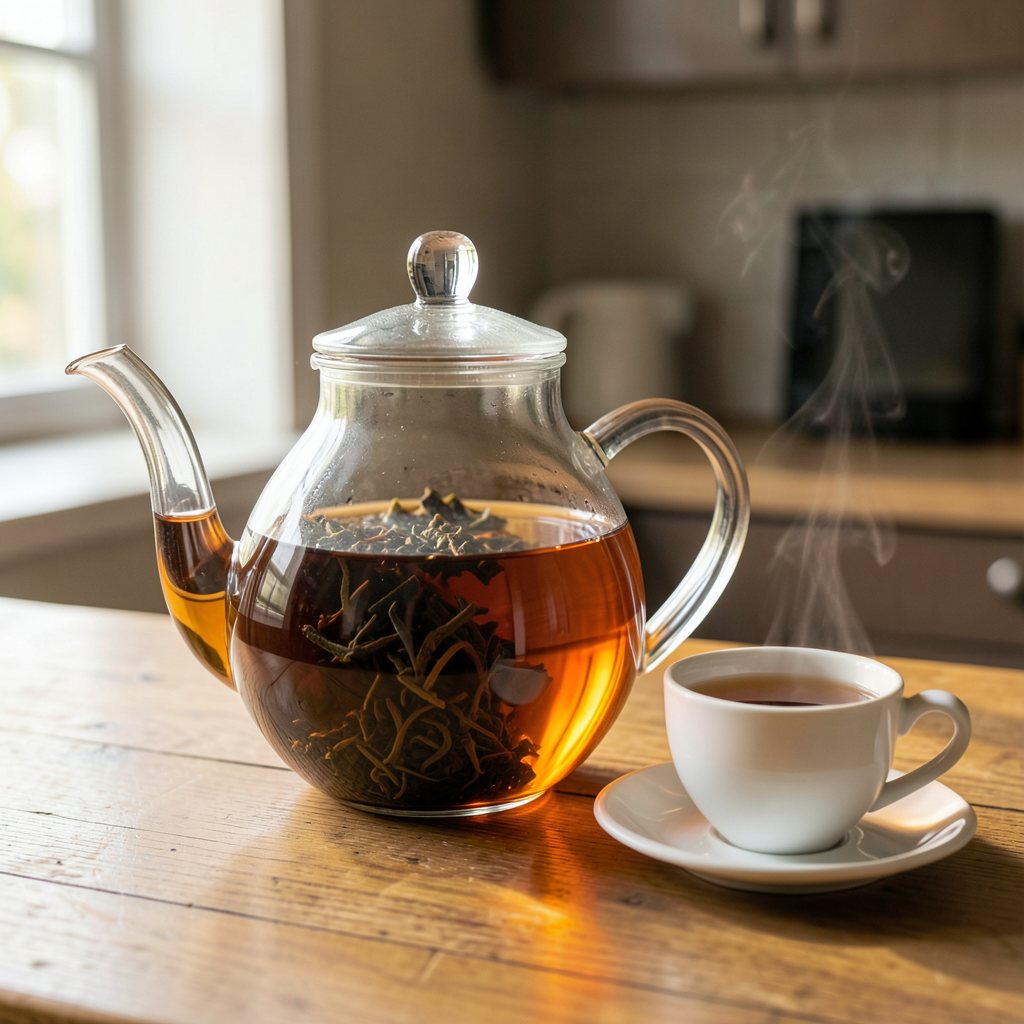
Water temperature, steep time and tea-to-water ratio for black, green, white, oolong and herbal teas — sourced guidelines and common mistakes.
Read More →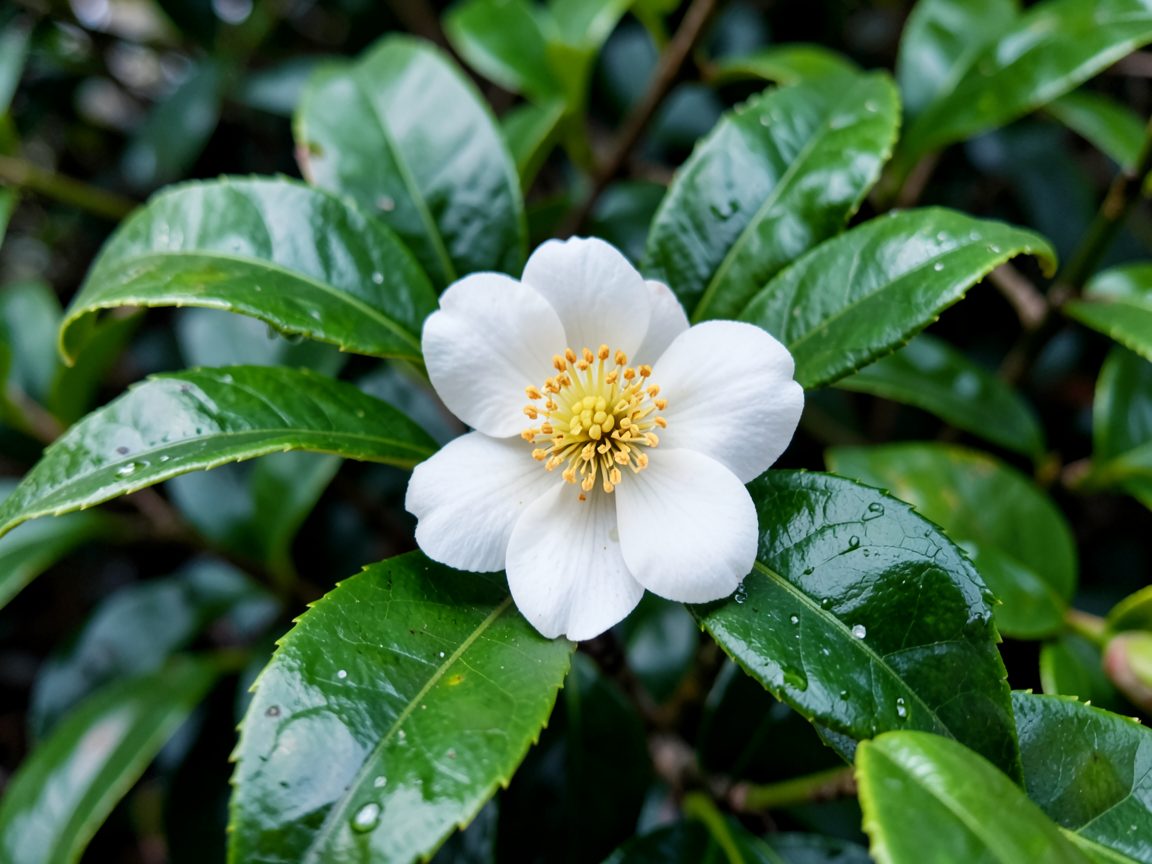
Black, green, white and oolong tea all come from one evergreen shrub. Meet Camellia sinensis, its two main varieties, and how it grows.
Read More →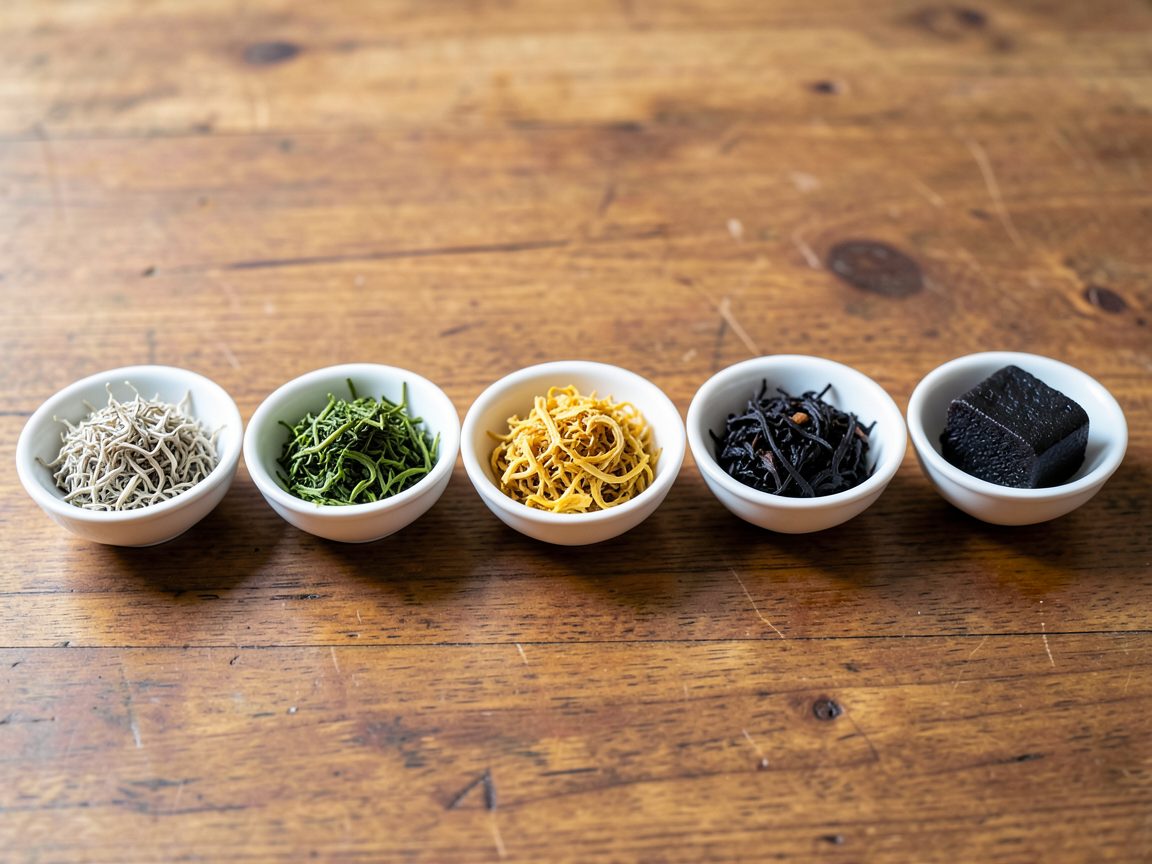
White, green, yellow, oolong, black and dark teas all come from one plant. The difference is how far the leaf is allowed to oxidise.
Read More →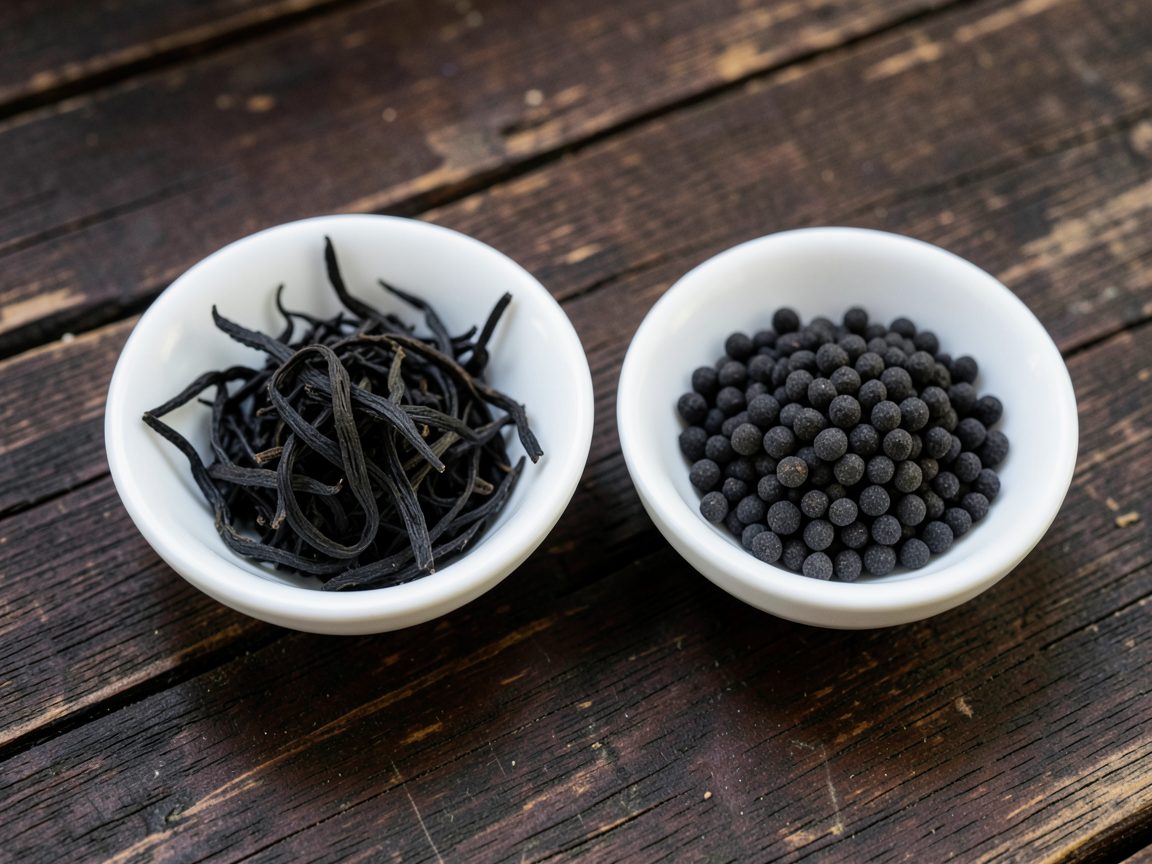
Black tea is made in two main ways: orthodox rolling and CTC (crush, tear, curl). Here's how they differ and where each is used.
Read More →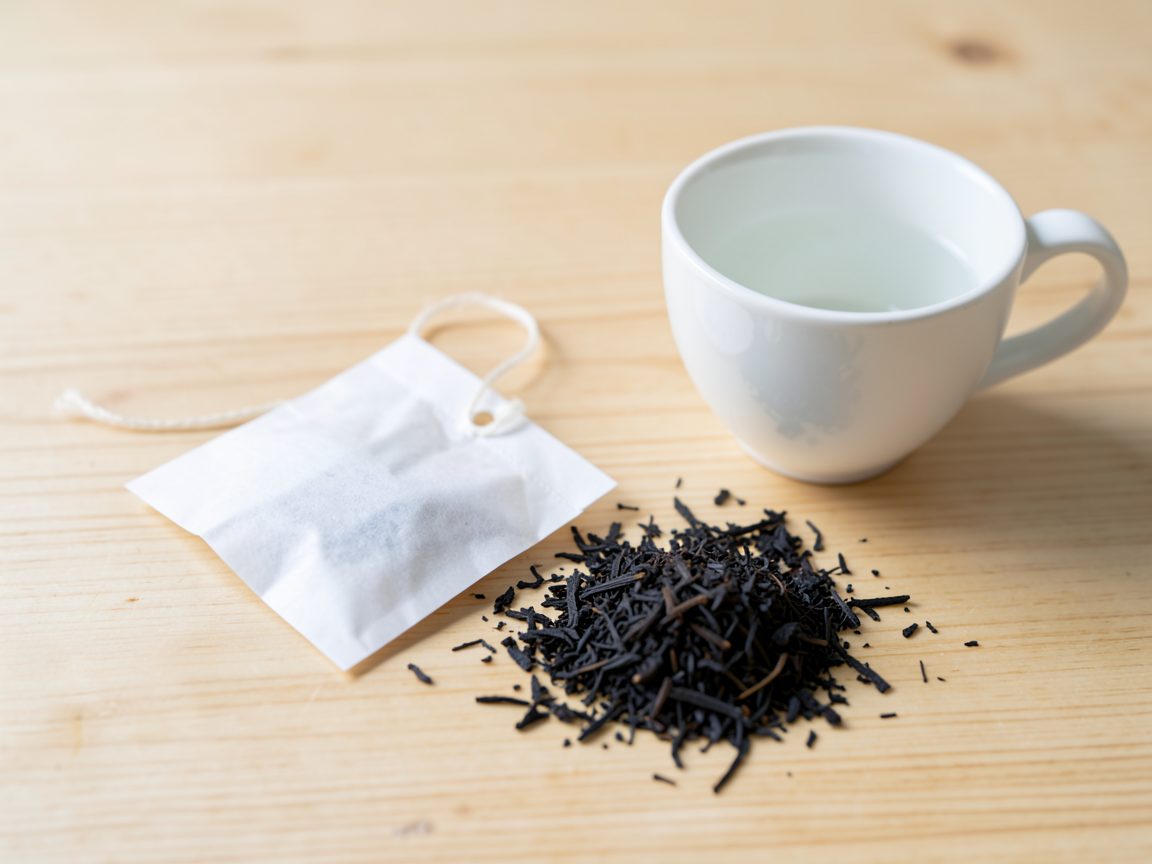
The tea bag is little more than a century old. Where it came from, what usually goes inside, and how it compares with loose-leaf tea.
Read More →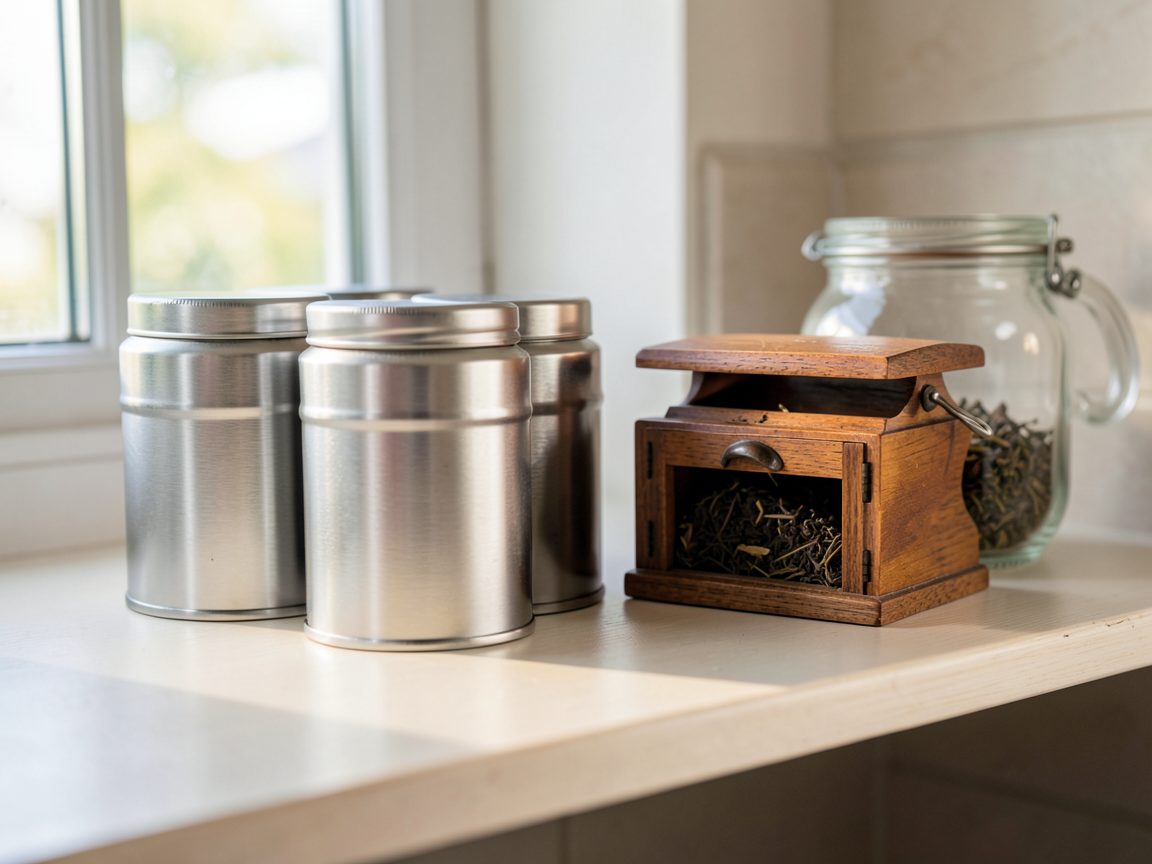
Tea is a dried leaf, and moisture is its enemy. How long different teas keep, how to store them, and the history of the tea caddy.
Read More →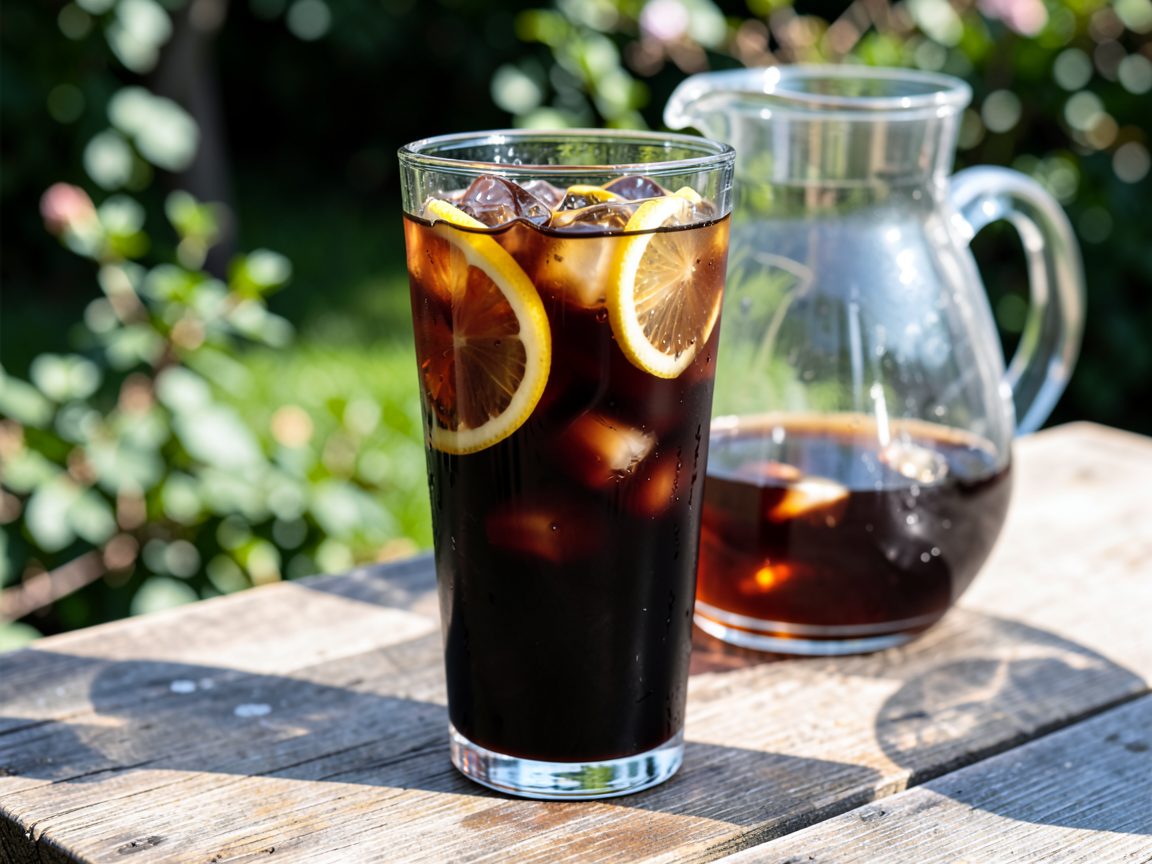
Tea doesn't have to be hot. How iced tea and cold brew are made, where they come from, and how different countries enjoy cold tea.
Read More →
OP, BOPF, flush, withering, tisane… Tea has its own vocabulary. A plain-English guide to the terms you'll meet most often.
Read More →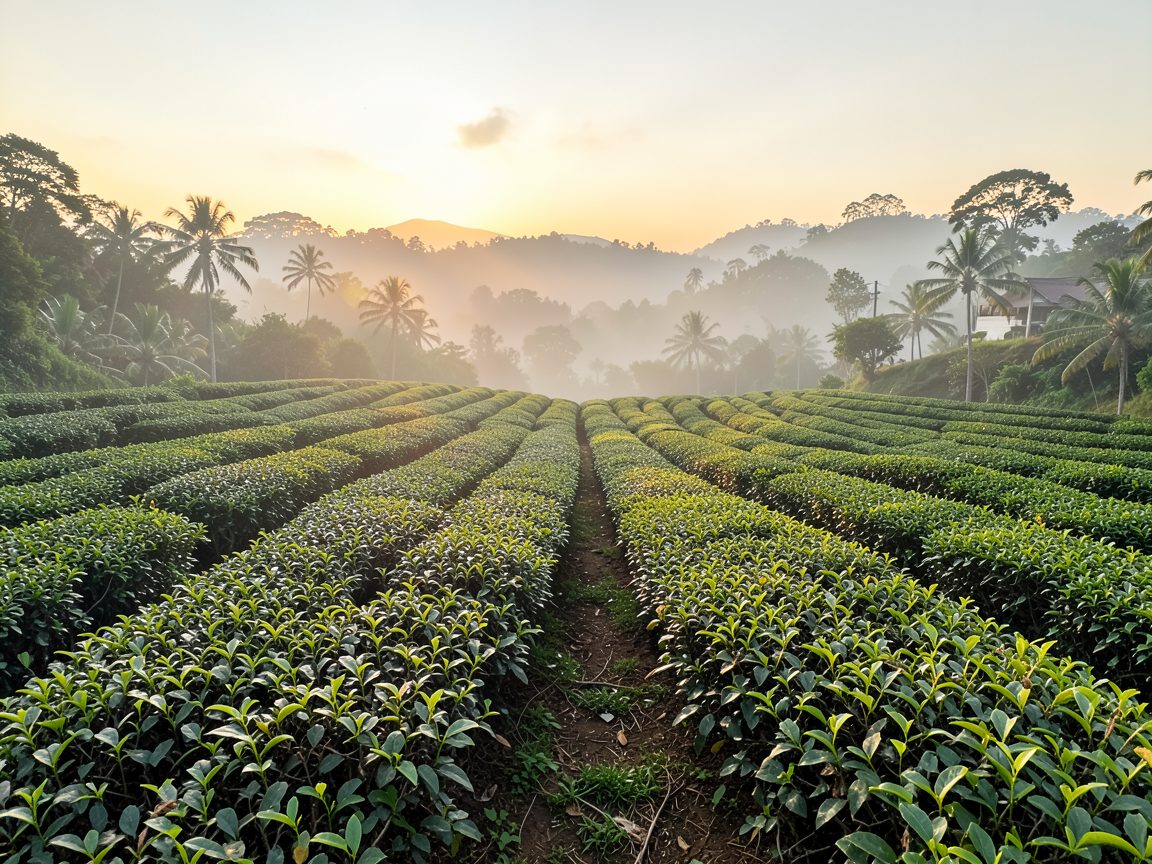
What "single origin" means on a tea label, how it differs from a blend, and why origin matters for Ceylon tea.
Read More →Ceylon & Sri Lanka
13 articles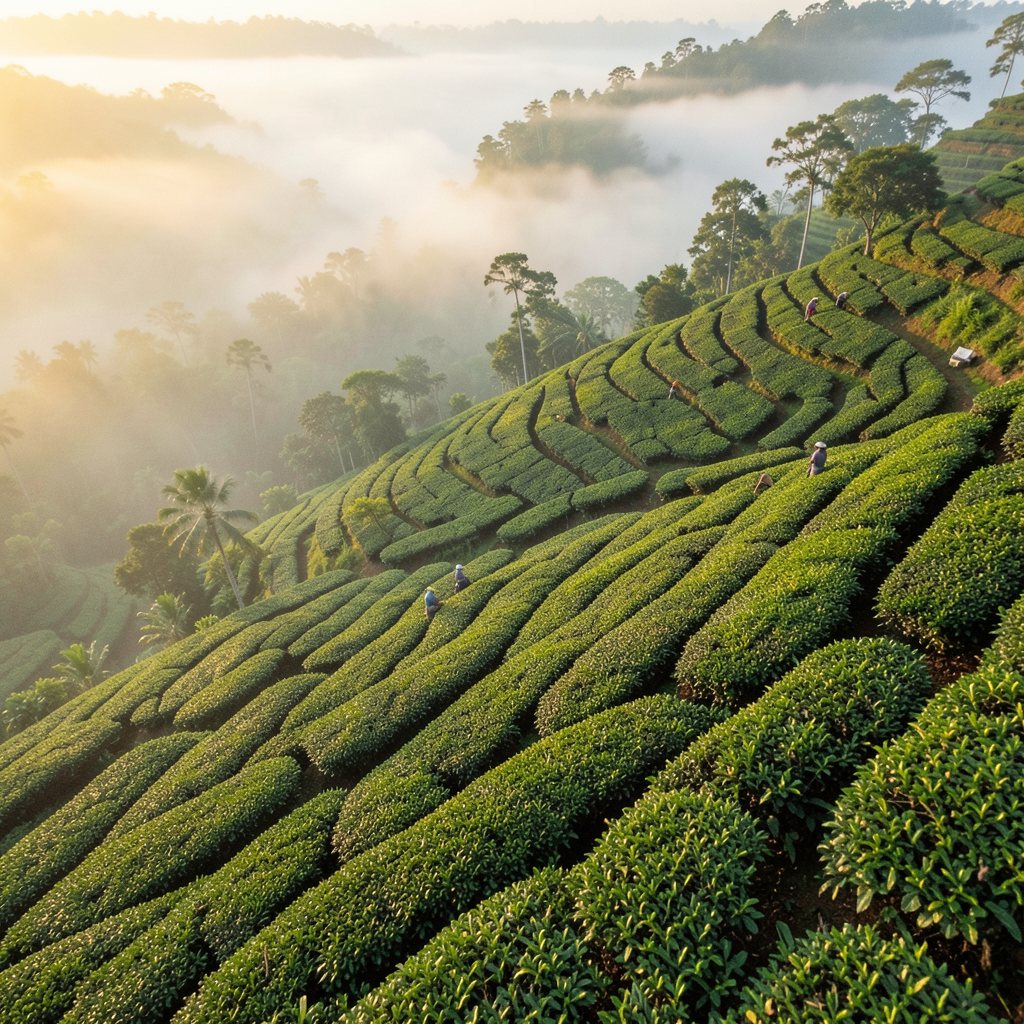
The Sri Lanka Tea Board describes seven tea regions, from high-grown Nuwara Eliya to low-grown Ruhuna. An overview of all seven.
Read More →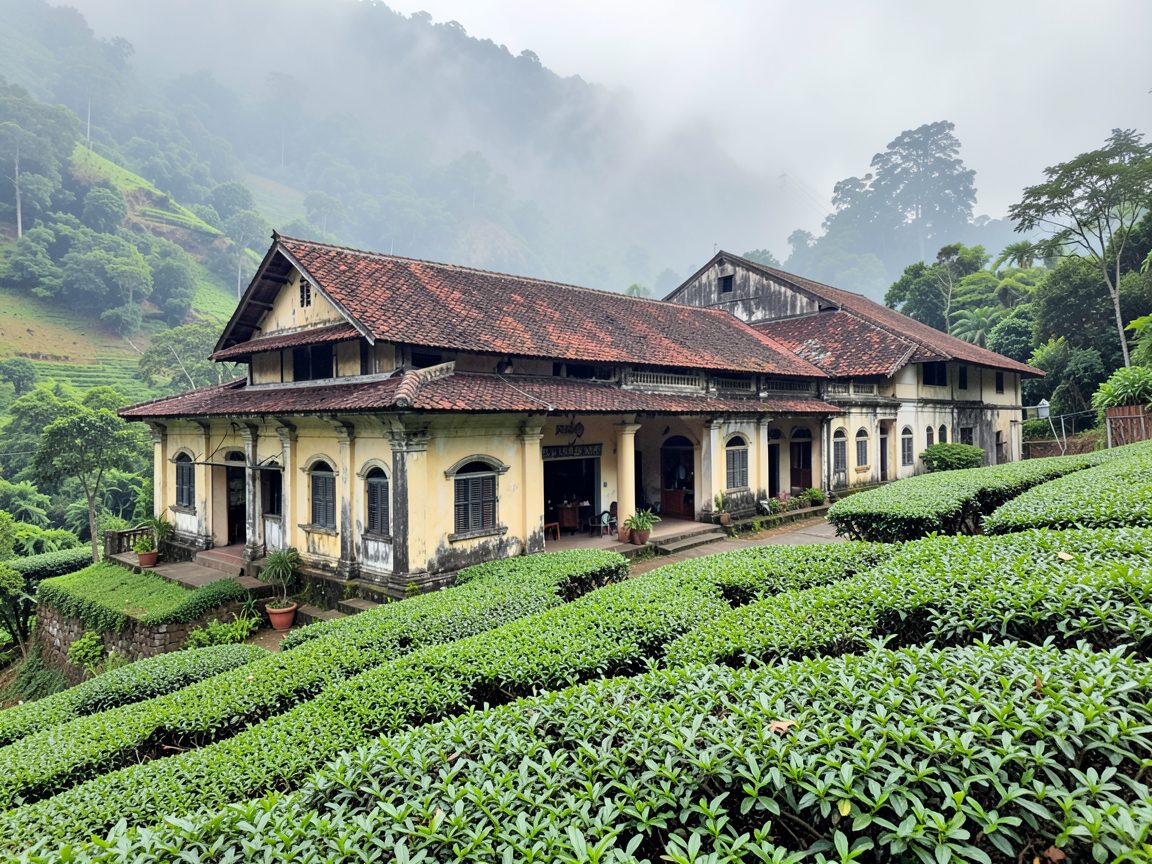
From James Taylor's first plantation in 1867 to the Colombo auctions, nationalisation and the Lion logo — the milestones of Ceylon tea.
Read More →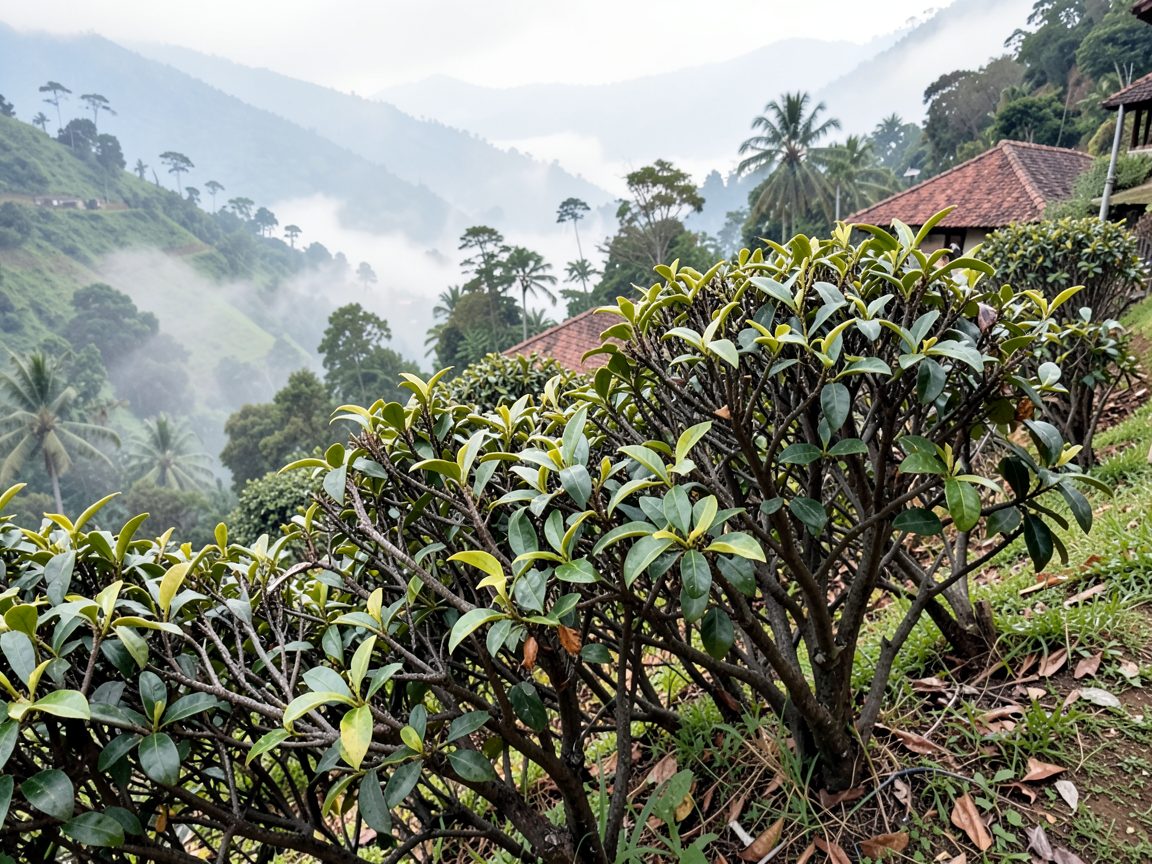
How a young Scottish planter cleared 19 acres at Loolecondera in 1867 and planted the tea that started the Ceylon tea industry.
Read More →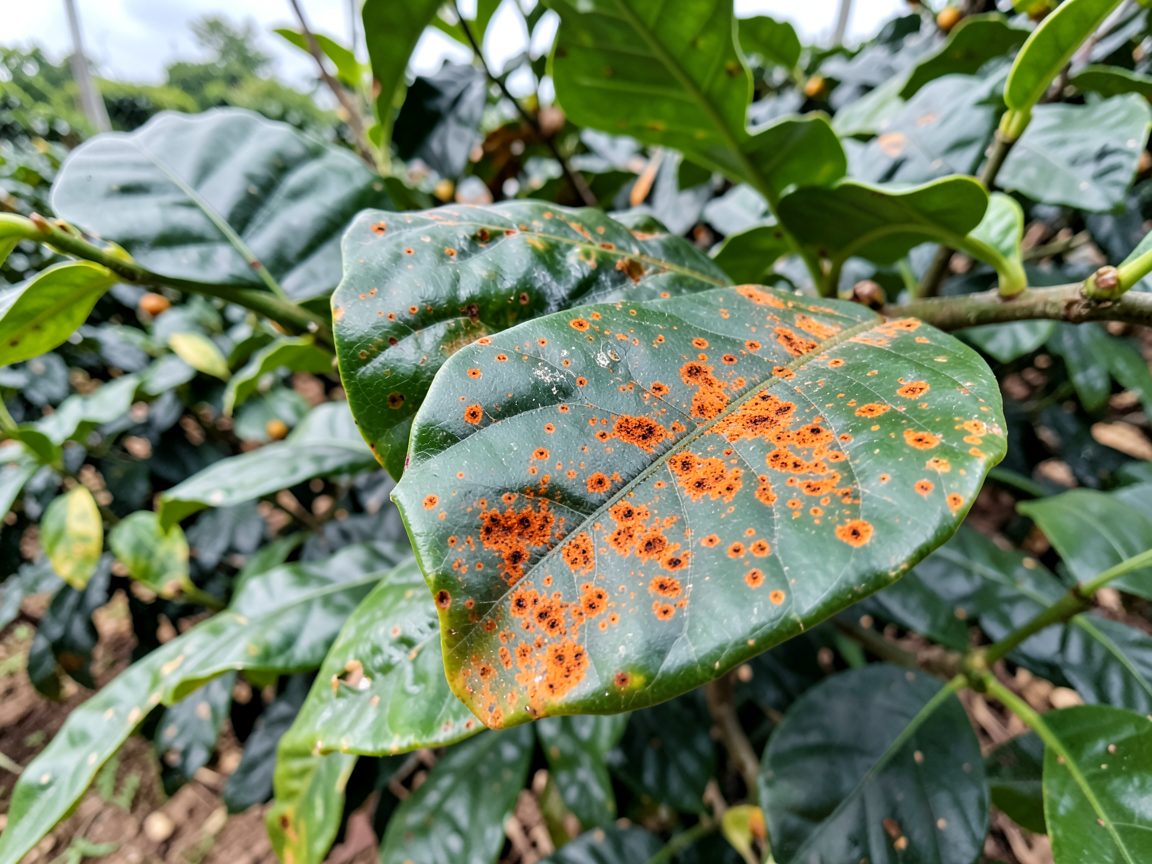
In 1860 Ceylon was one of the world's biggest coffee producers. Then a fungus arrived — and tea took coffee's place.
Read More →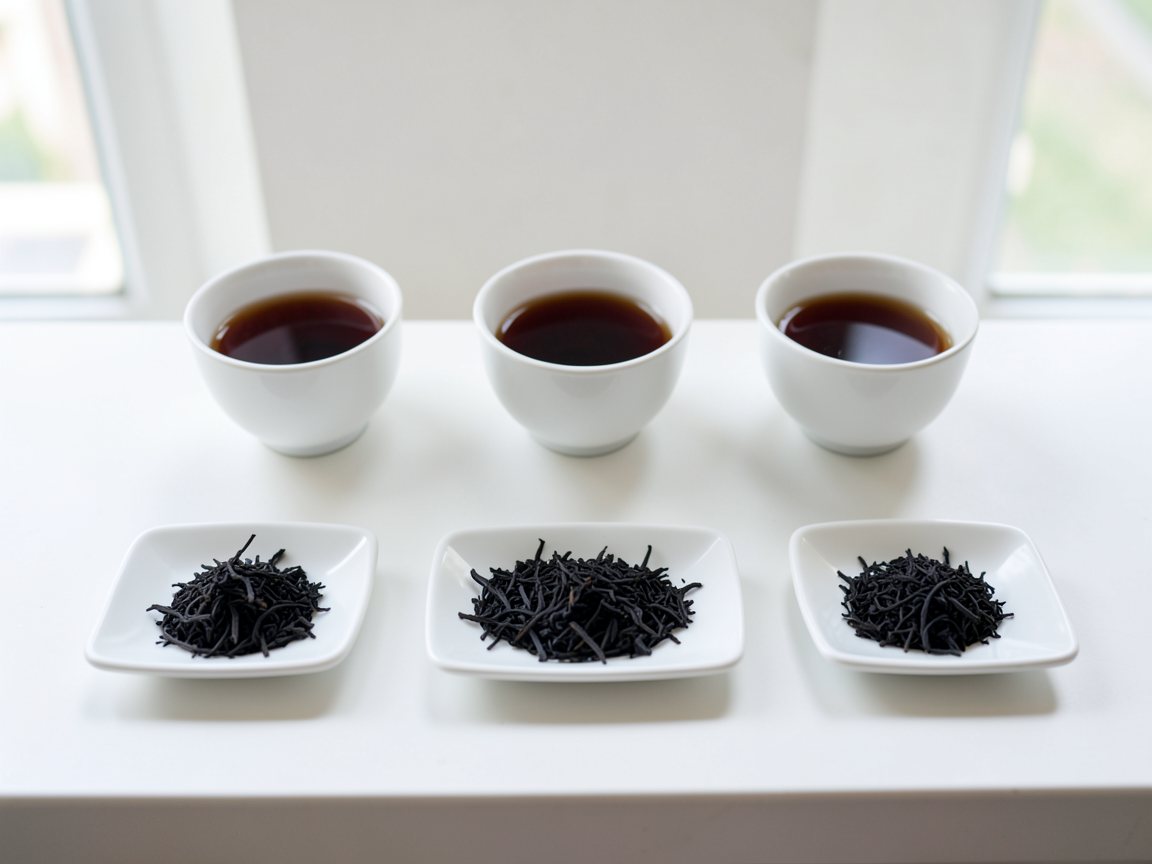
Since 1883, much of Sri Lanka's tea has been sold at public auction in Colombo. How the auction began and how it grew.
Read More →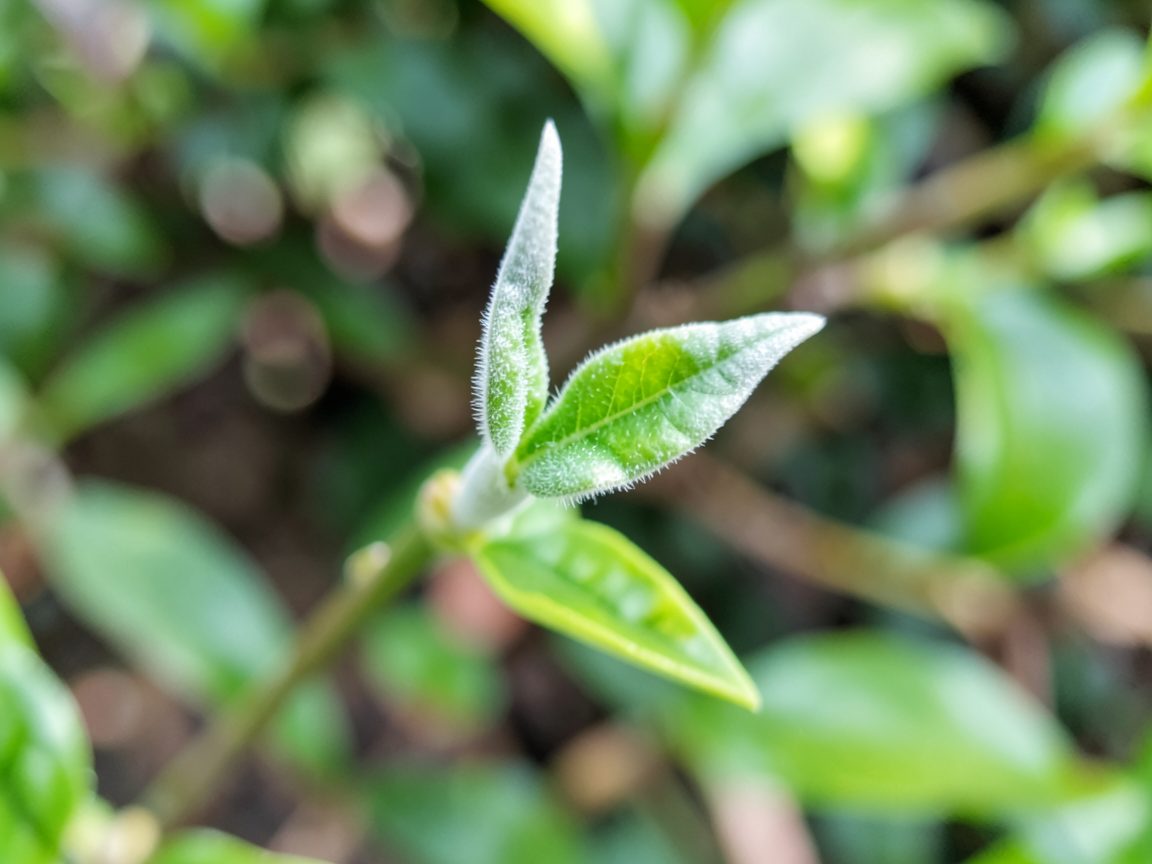
What "two leaves and a bud" means, how tea is plucked by hand in Sri Lanka, and every step from leaf to cup.
Read More →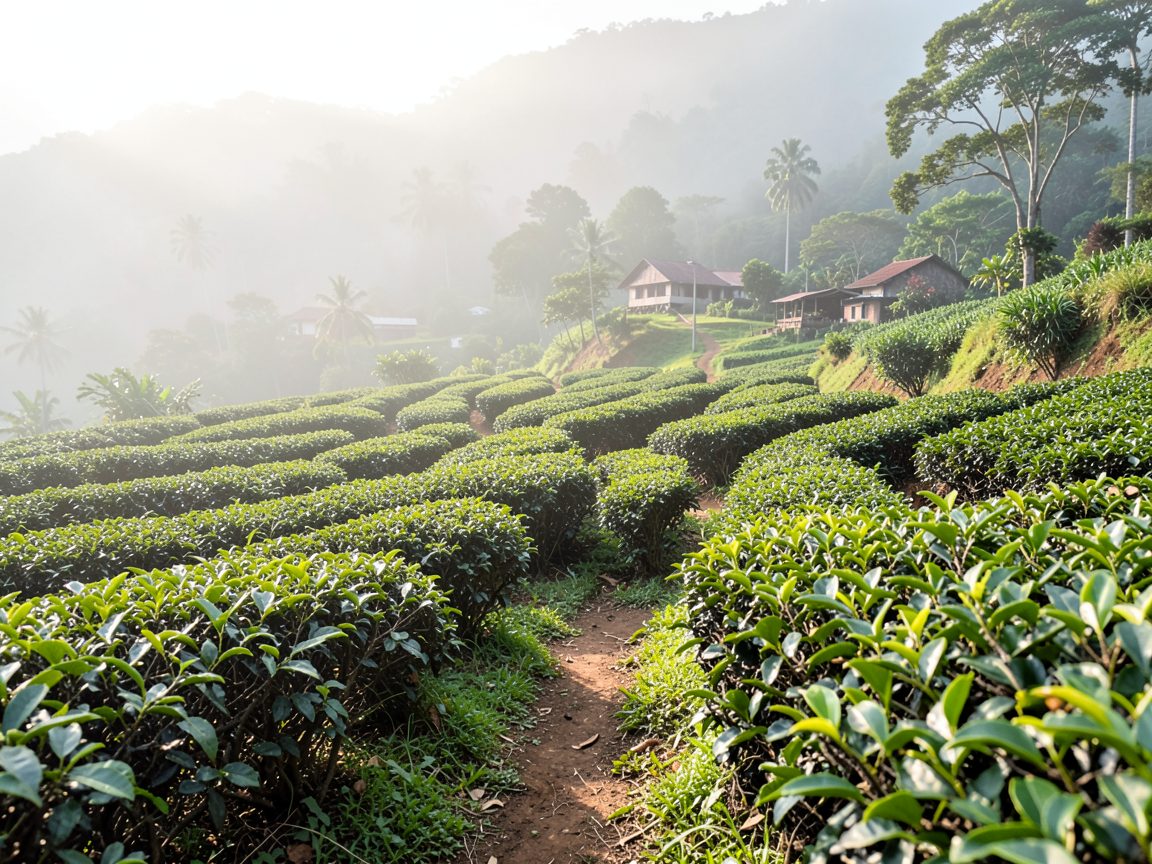
Ceylon tea's story is also the story of the Hill Country Tamil community whose labour built the plantations. Their history, from published sources.
Read More →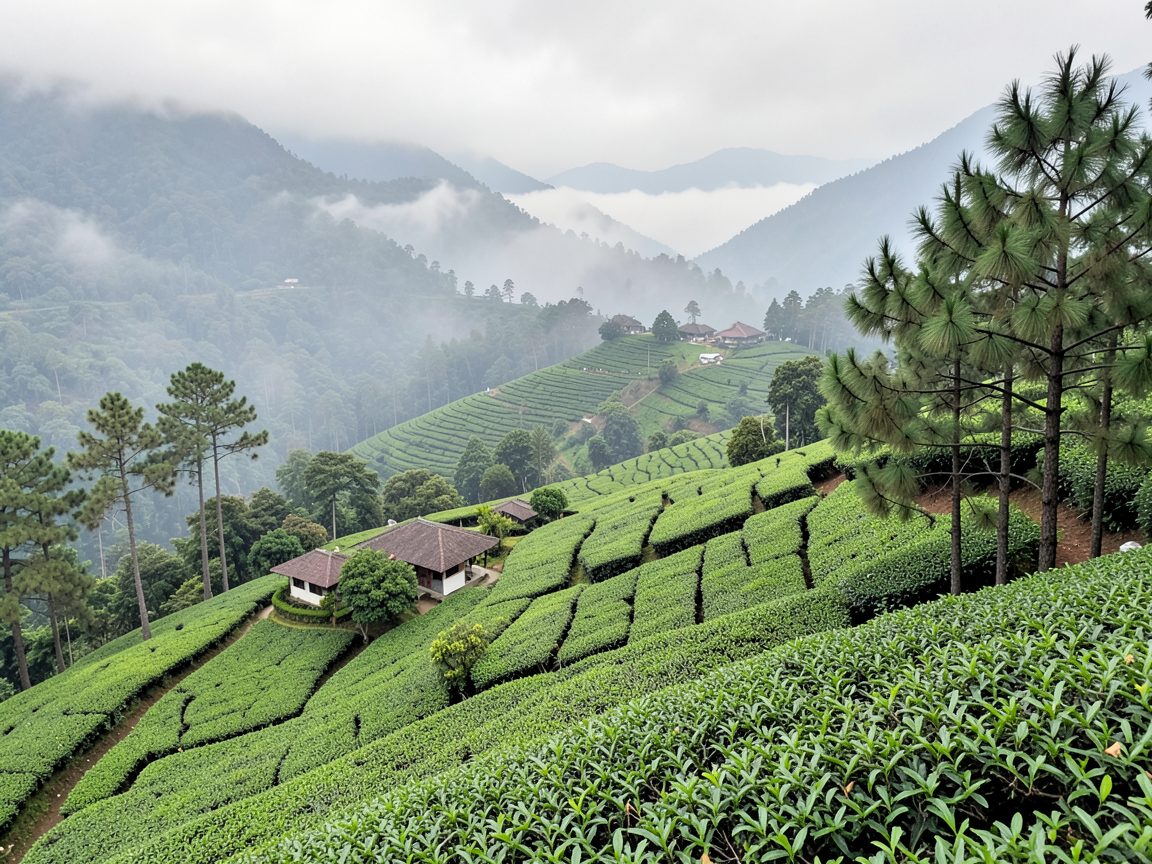
High in Sri Lanka's central mountains, Nuwara Eliya is the island's coolest region and the source of its lightest, most refined teas.
Read More →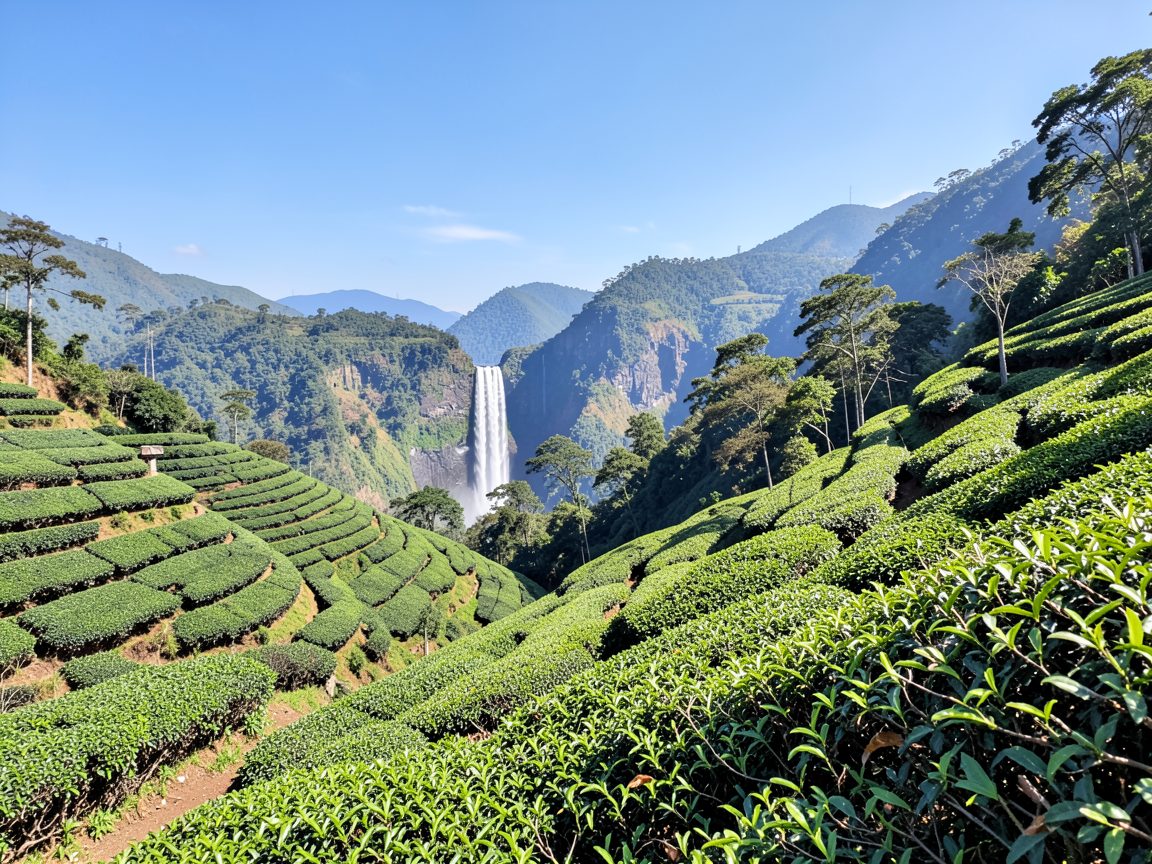
In Uva, monsoon winds arrive after dropping their rain elsewhere. That dryness, says the Tea Board, gives Uva tea its special character.
Read More →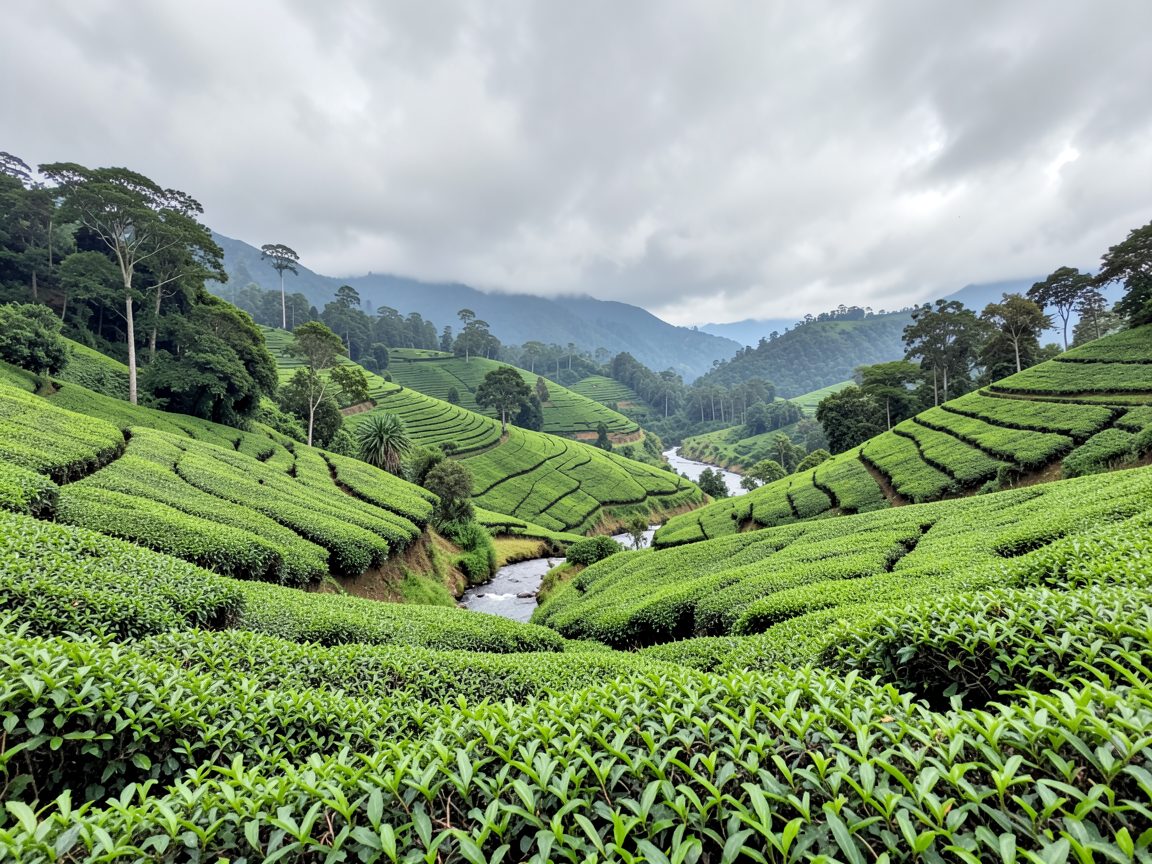
Two contrasting seasons shape Dimbula's tea. The Sri Lanka Tea Board calls it "probably the most famous Ceylon Tea of all".
Read More →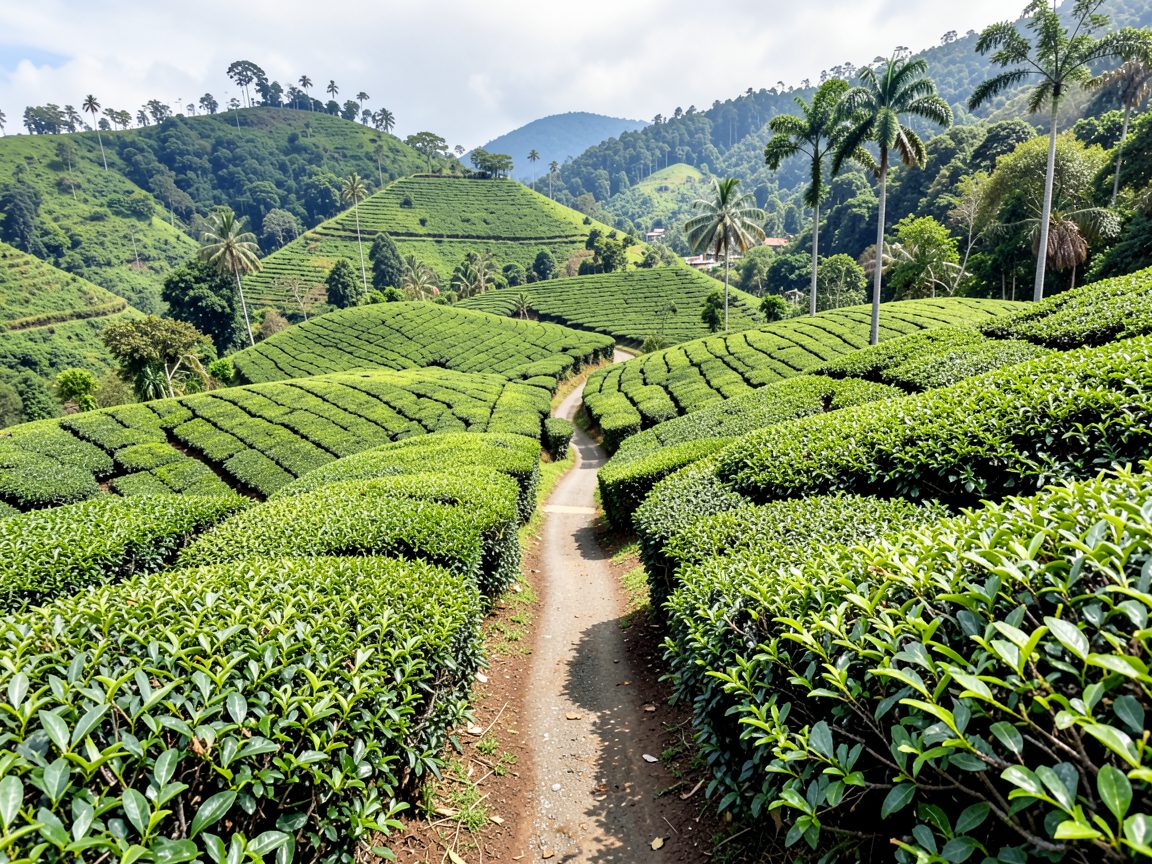
Kandy sits close to where Ceylon tea began. Its mid-country teas, grown at 2,000–4,000 ft, are described as robust and full-bodied.
Read More →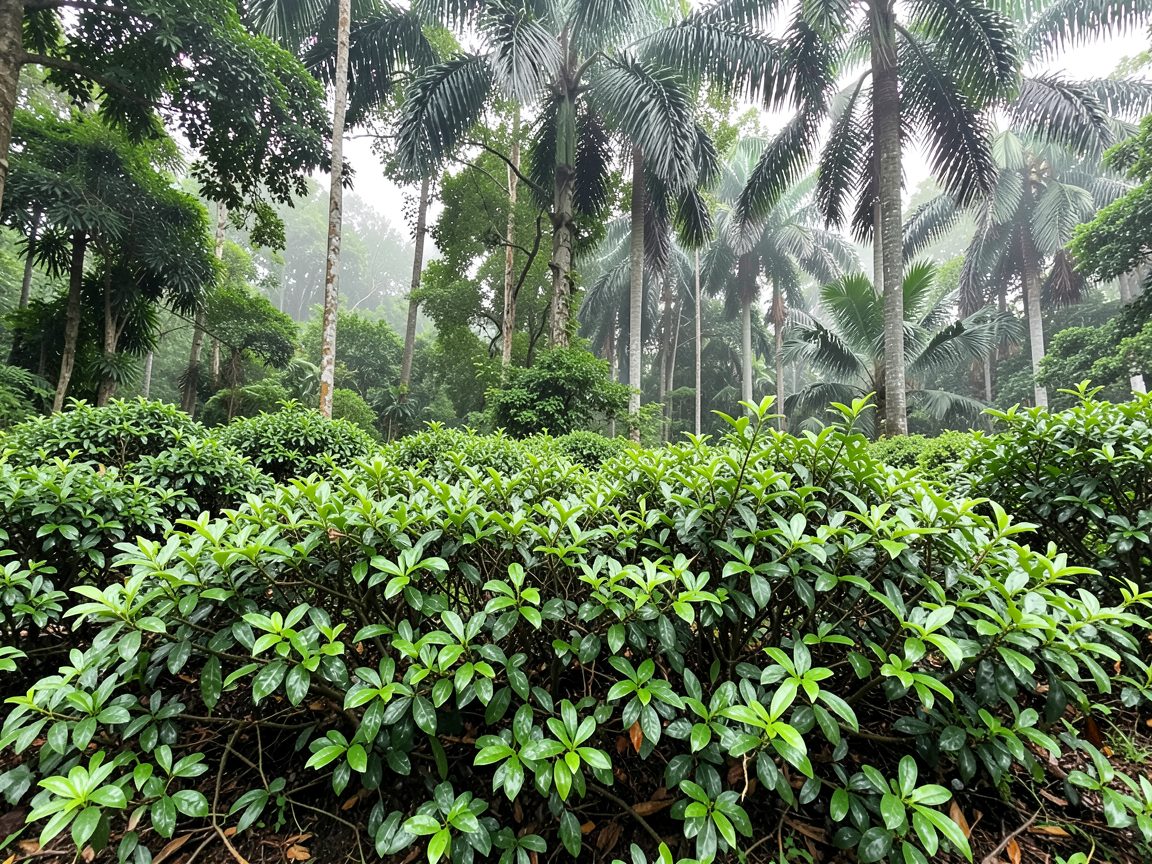
The warm southern lowlands of Ruhuna and Sabaragamuwa produce some of Sri Lanka's strongest, darkest teas.
Read More →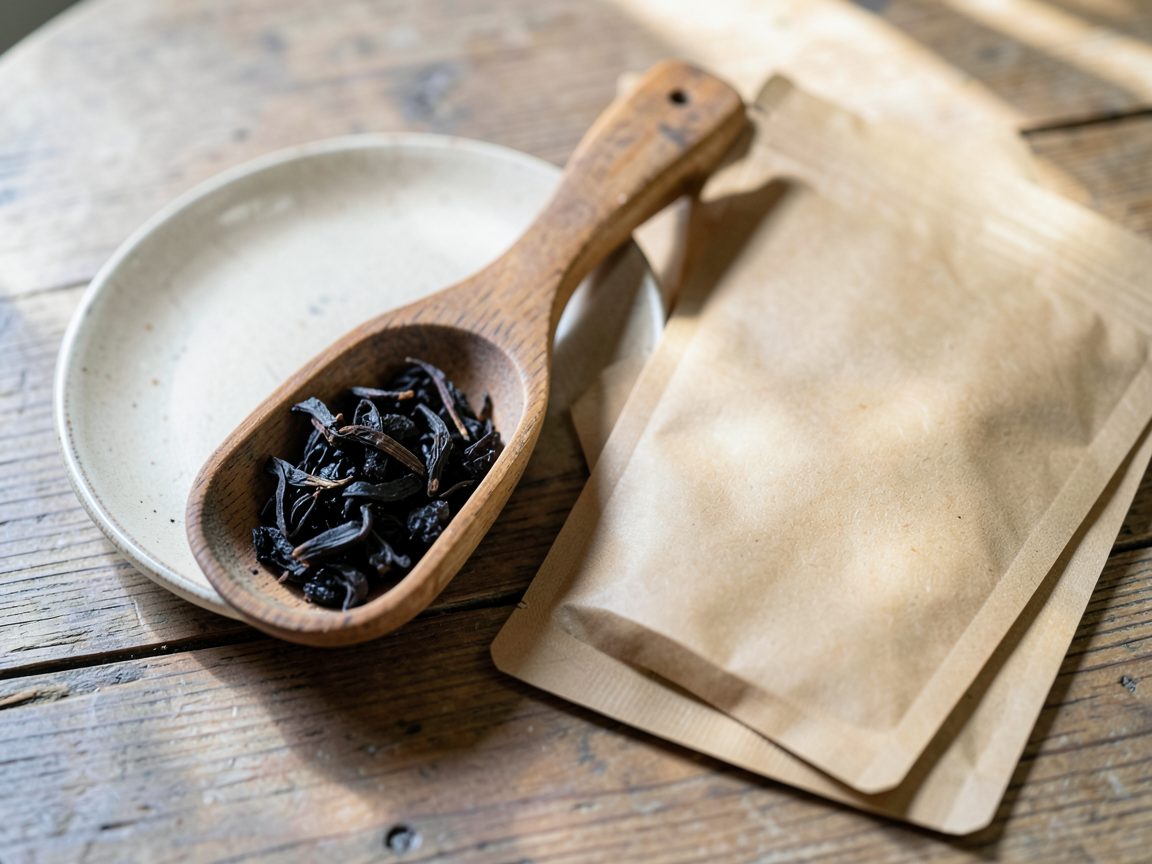
What the Lion logo on Ceylon tea packs means, the four criteria for using it, and how it relates to Ceylon tea's Geographical Indication.
Read More →Black & Flavoured Tea
5 articles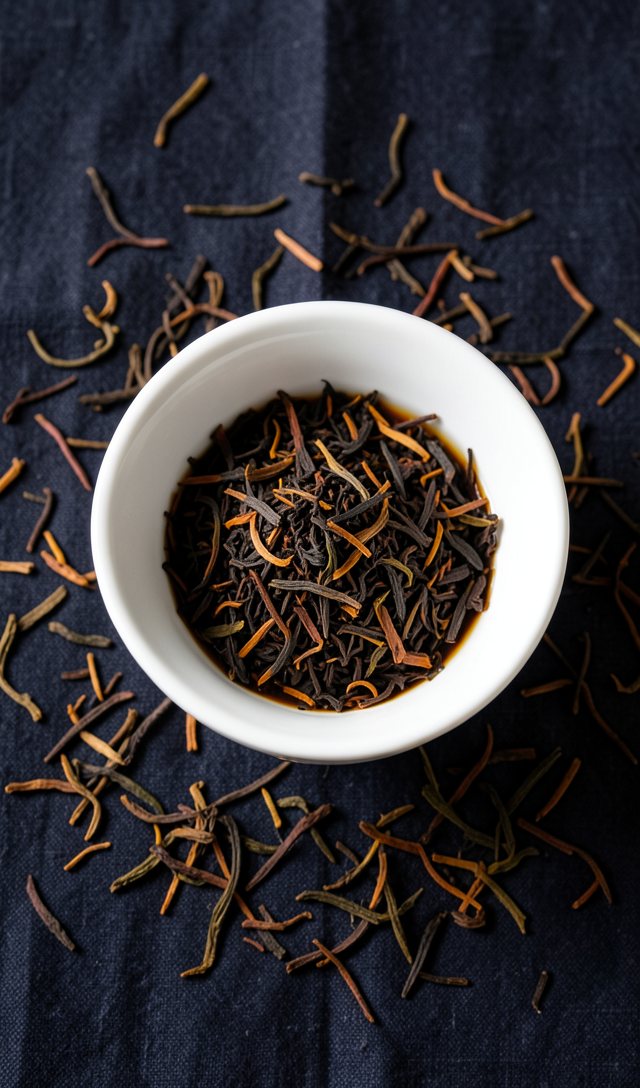
Despite its name, Orange Pekoe has nothing to do with oranges. It's a grading term based on leaf size — here's what it means and how Ceylon tea is graded.
Read More →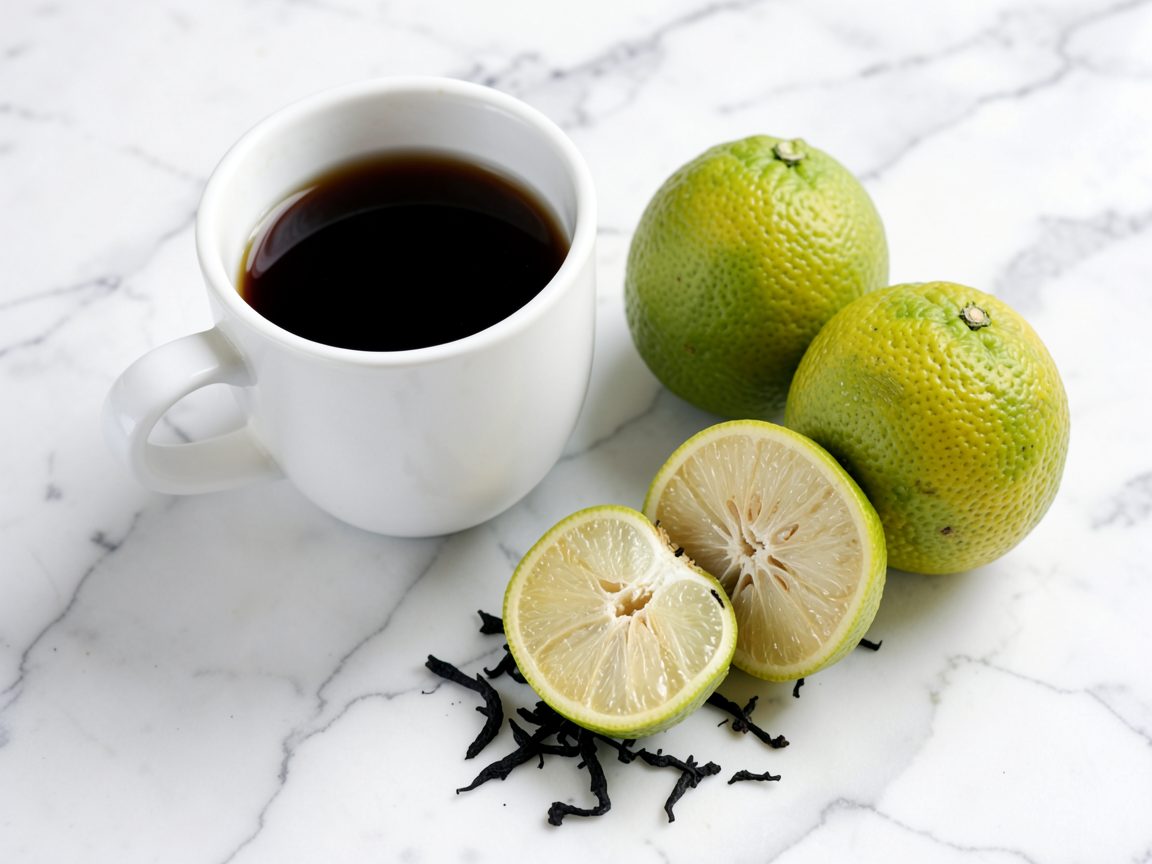
Earl Grey's citrus note comes from bergamot — and its name comes with a tangle of competing stories. A sourced look at both.
Read More →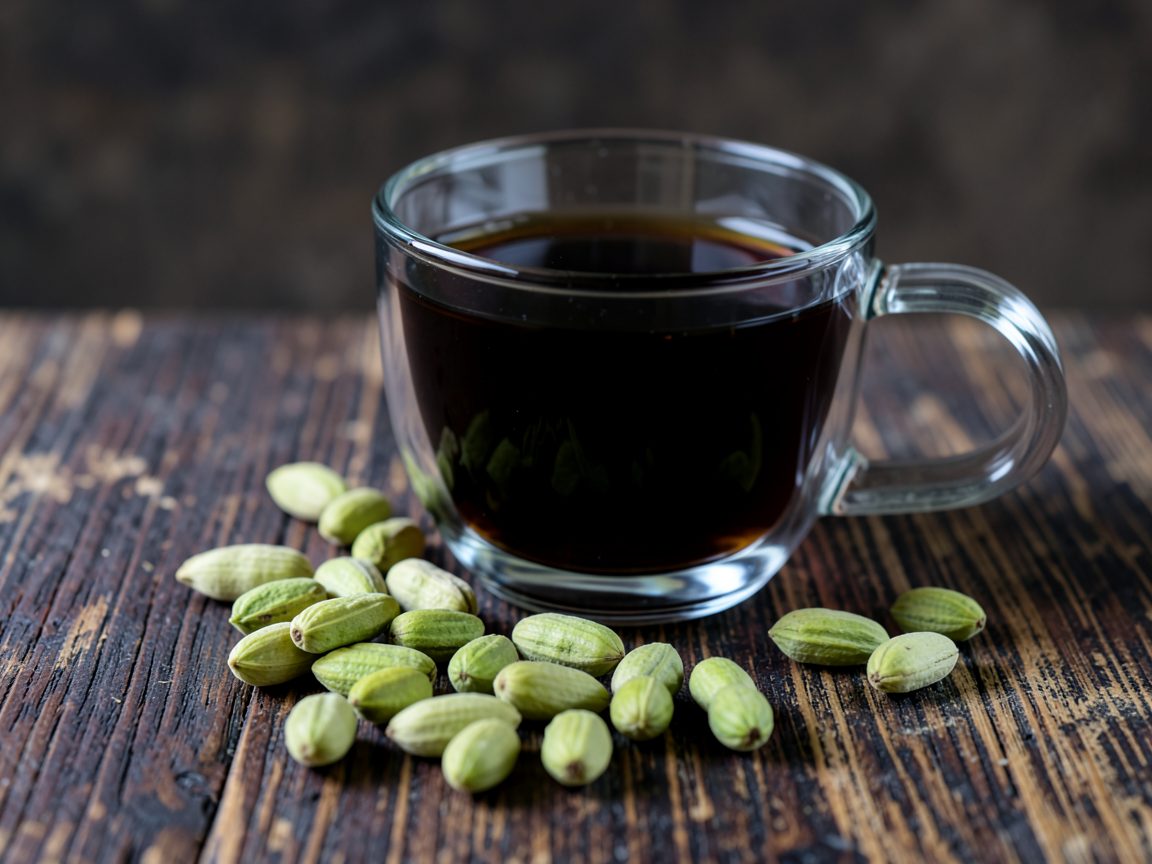
Cardamom is one of the world's most aromatic spices and a classic partner for black tea, from India to the Middle East.
Read More →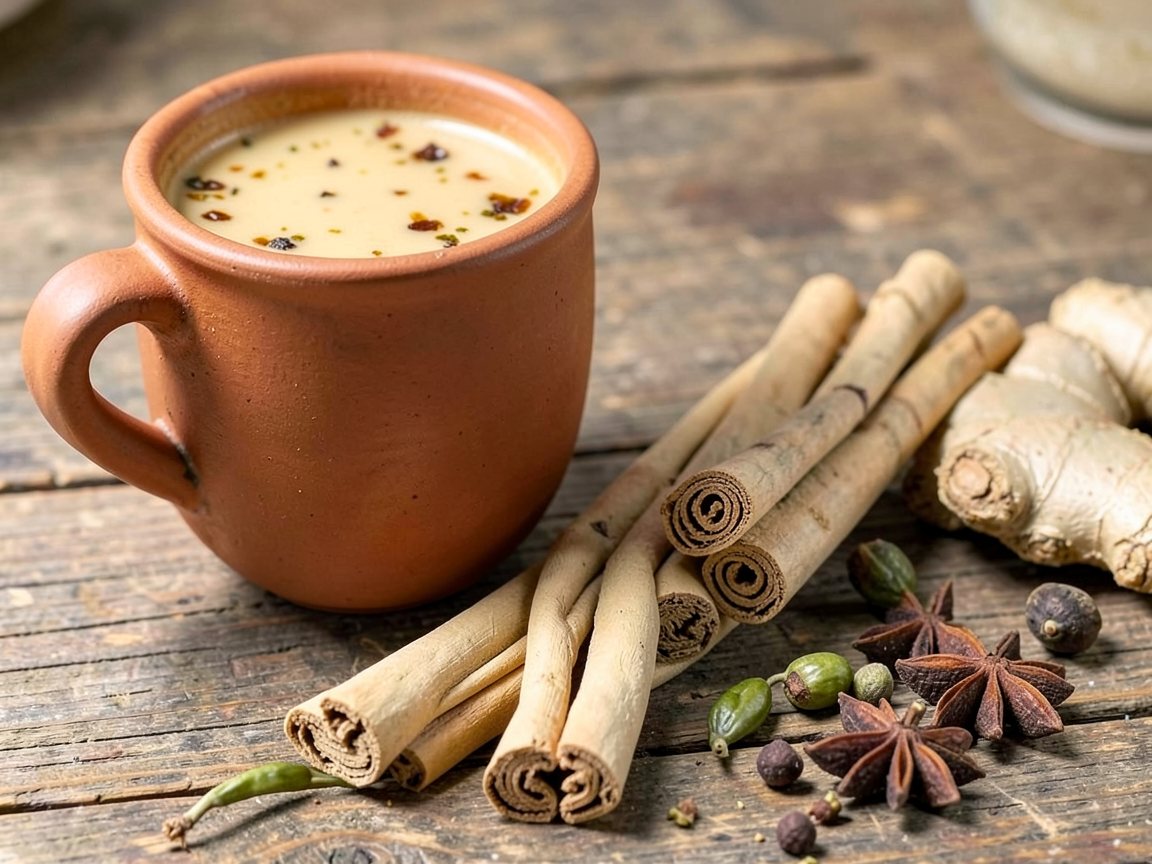
"Chai" simply means tea. How masala chai — spiced milk tea — became one of India's most loved drinks, the spices used and a traditional method.
Read More →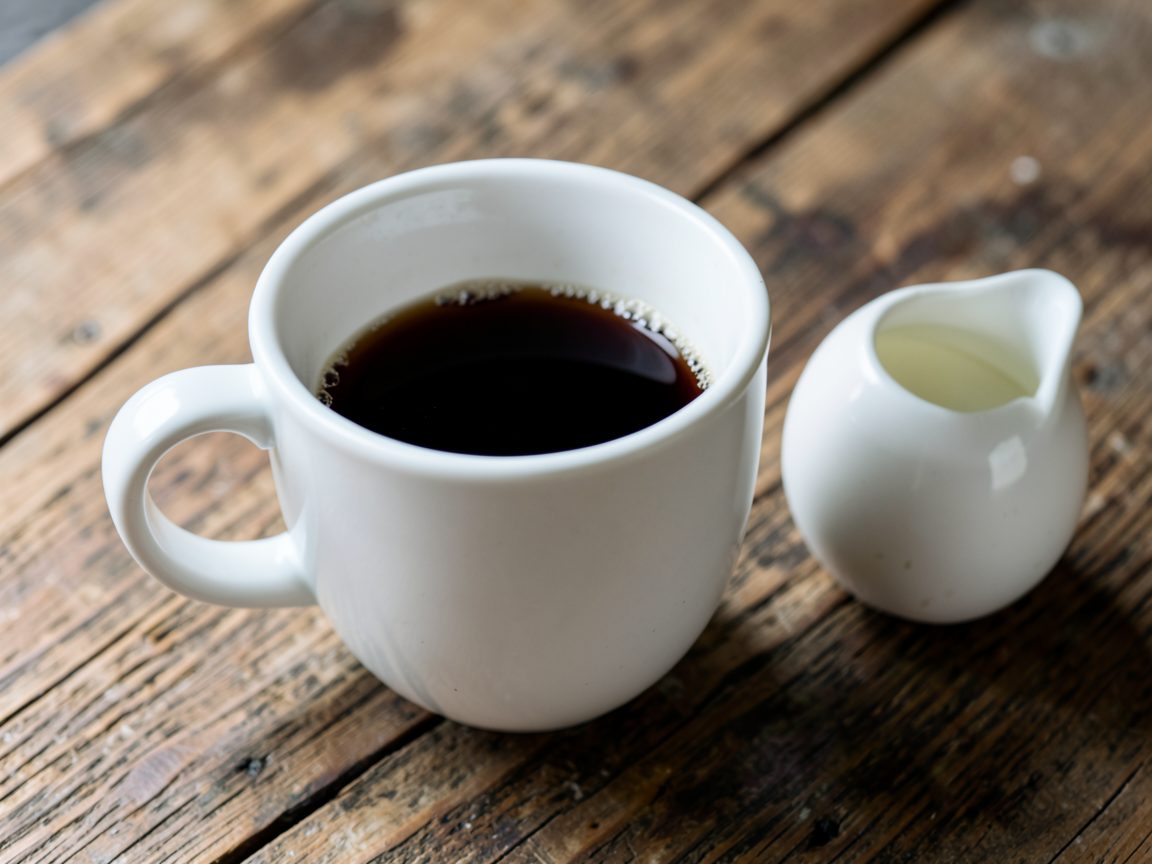
From a British cuppa to Sri Lankan tea with warmed milk and Hong Kong milk tea — how the world takes tea with milk, plus the milk-first debate.
Read More →Green Tea
4 articles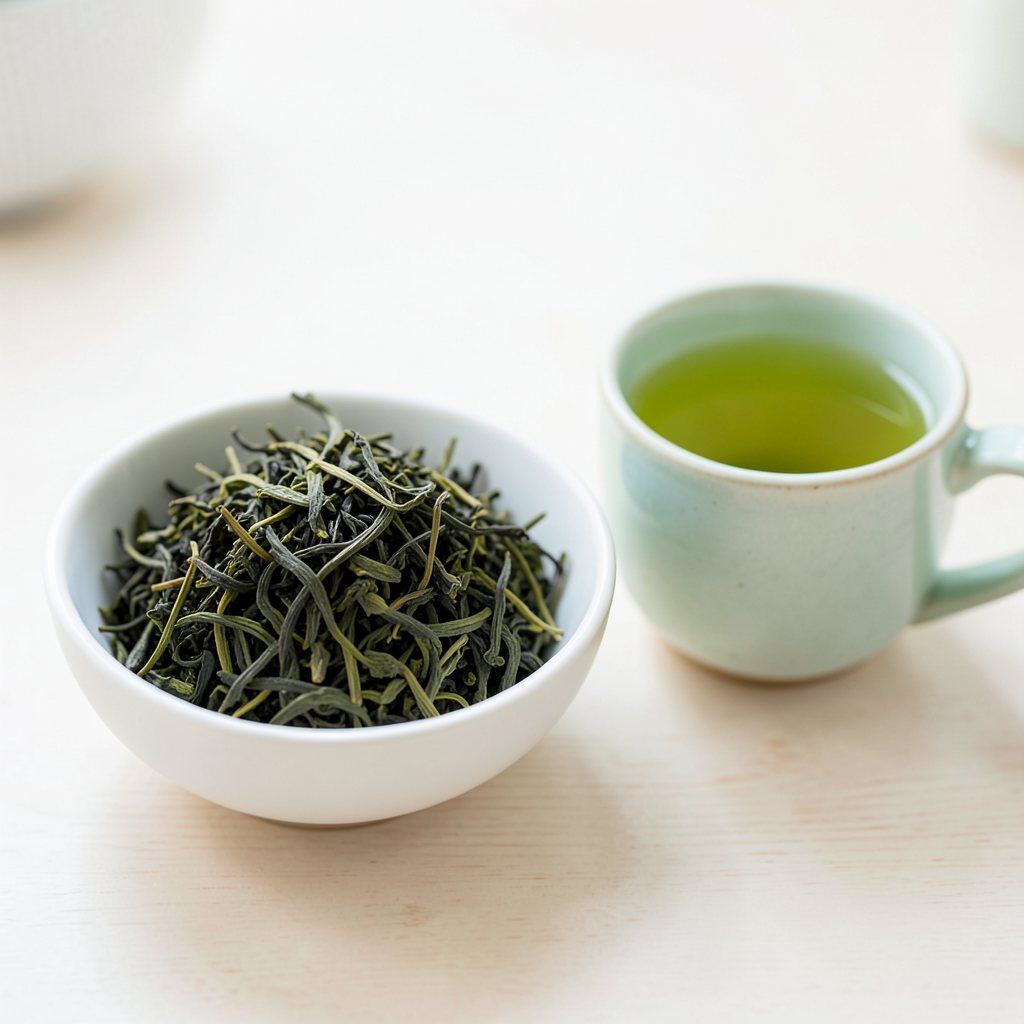
Sri Lanka has produced green tea since 1982, in gunpowder and sencha styles. How green tea differs from black, and how to brew it without bitterness.
Read More →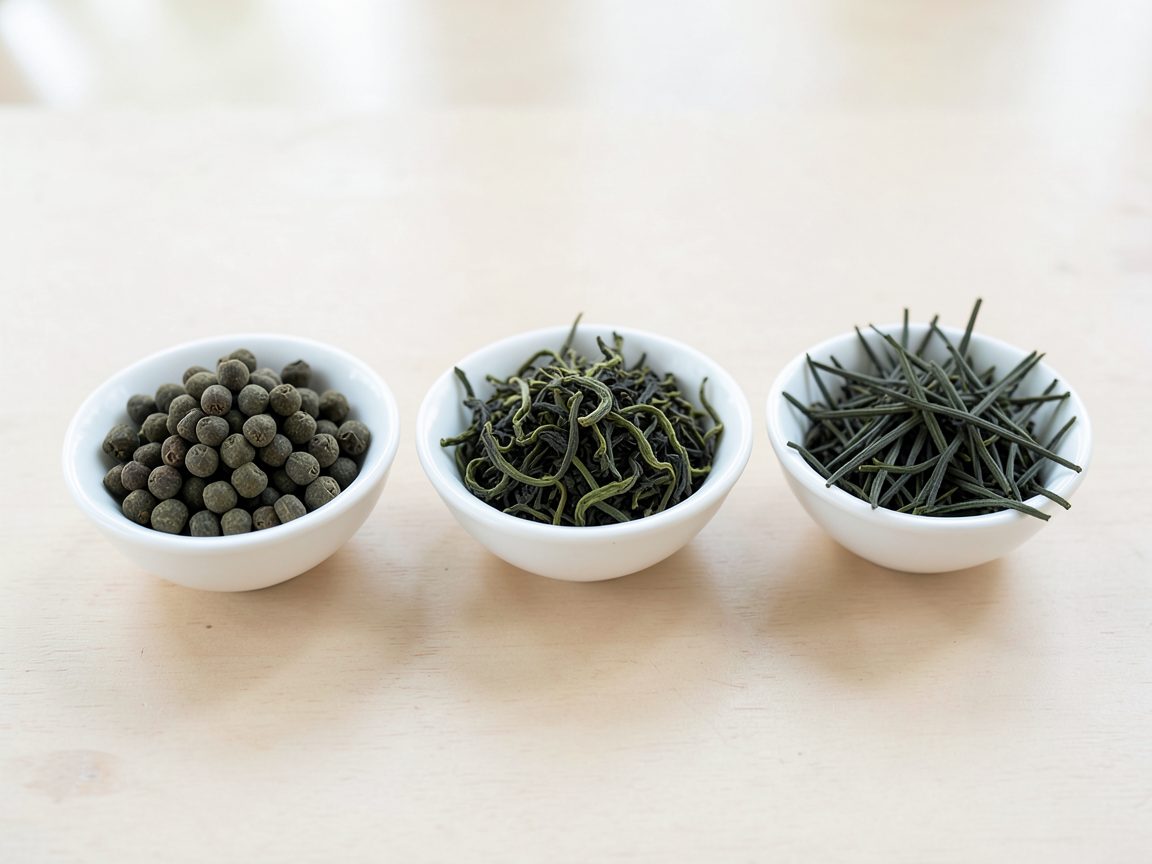
Steamed sencha, pan-fired Longjing, rolled gunpowder, powdered matcha and Ceylon green — how the best-known green teas compare.
Read More →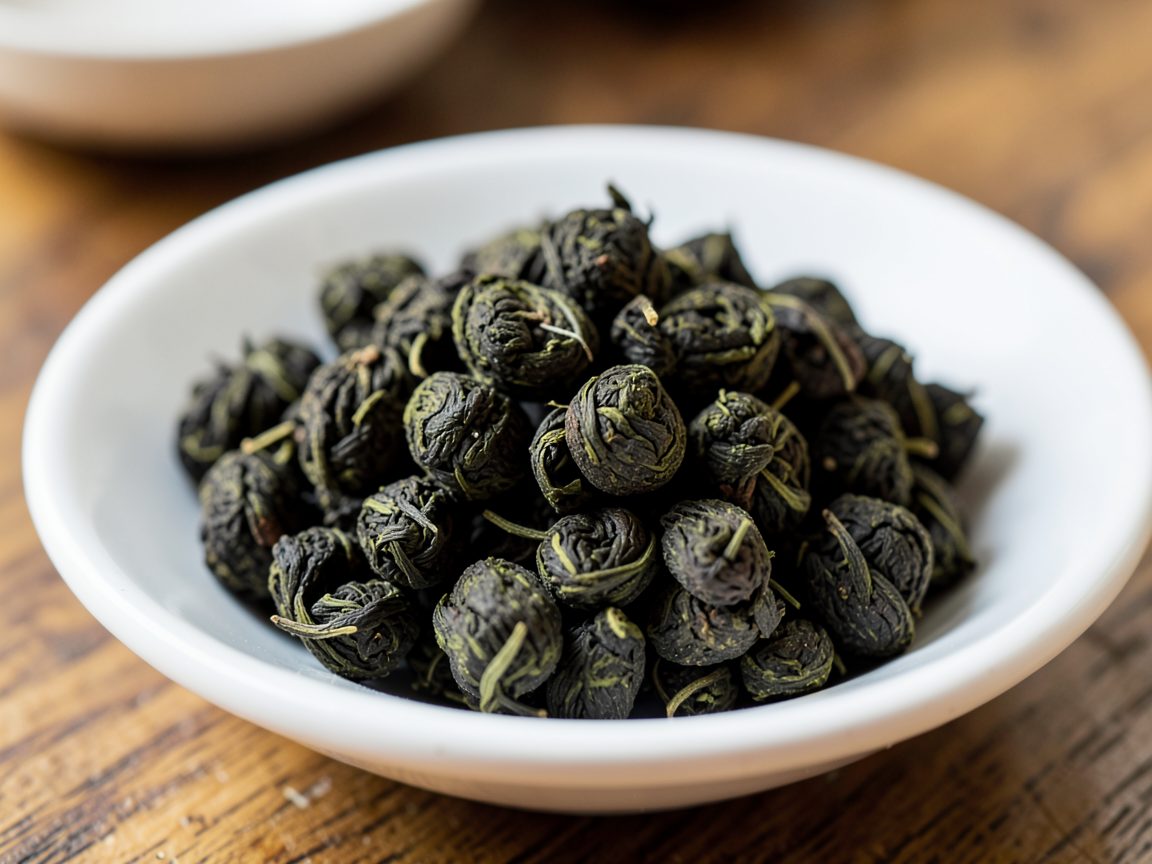
Gunpowder tea is green tea rolled into tiny pellets that unfurl in hot water. How it's made, where the name comes from and how to brew it.
Read More →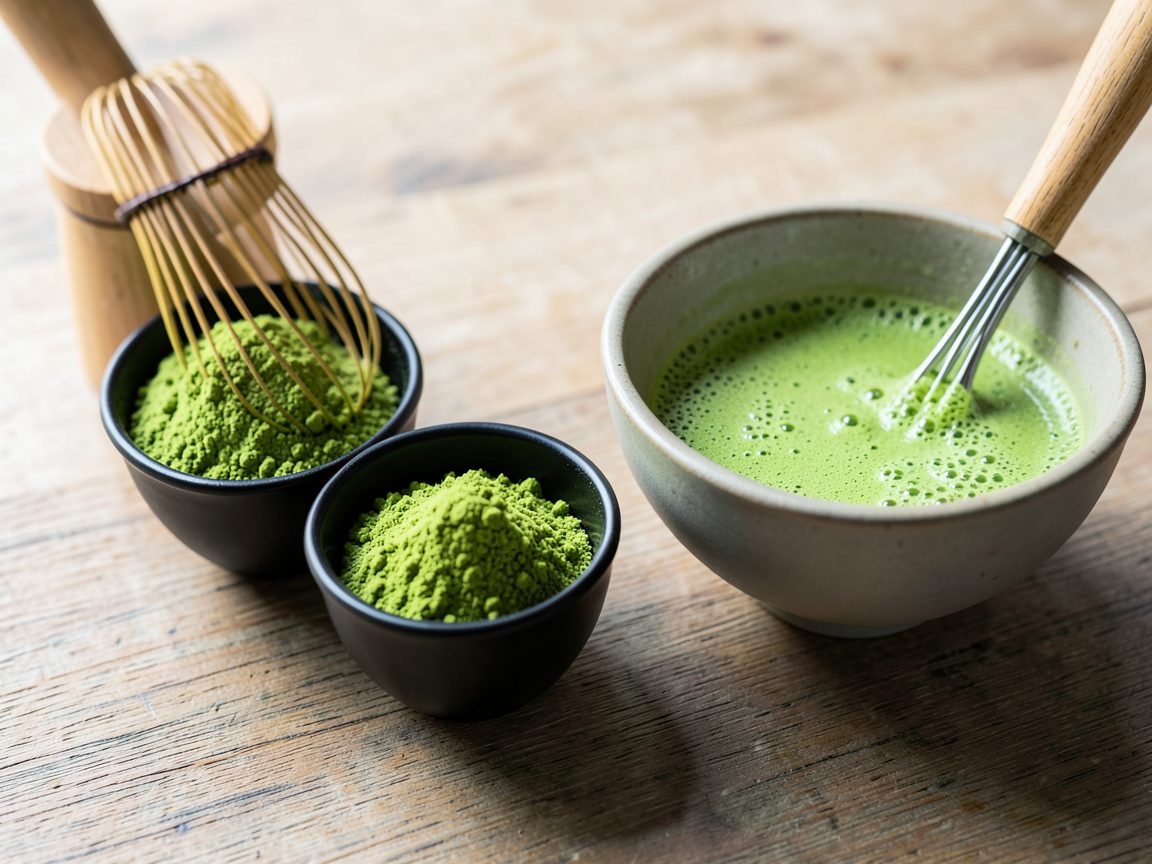
Matcha is green tea you drink whole — shade-grown, ground to powder and whisked. What defines it, where it came from and how it's made.
Read More →Herbal Teas
7 articles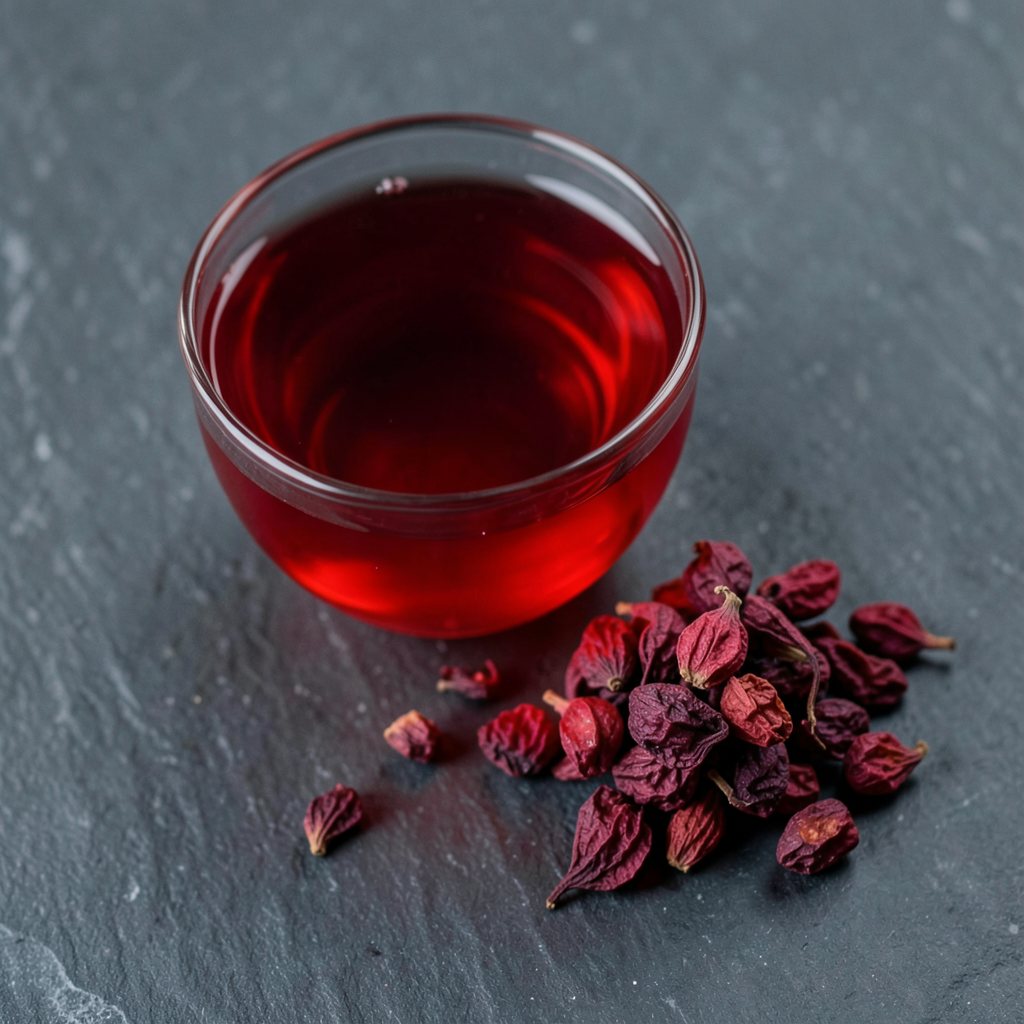
Brewed from the dried calyces of the roselle flower, hibiscus tea is tart, crimson and caffeine-free. What it is, what research shows, and how to brew it.
Read More →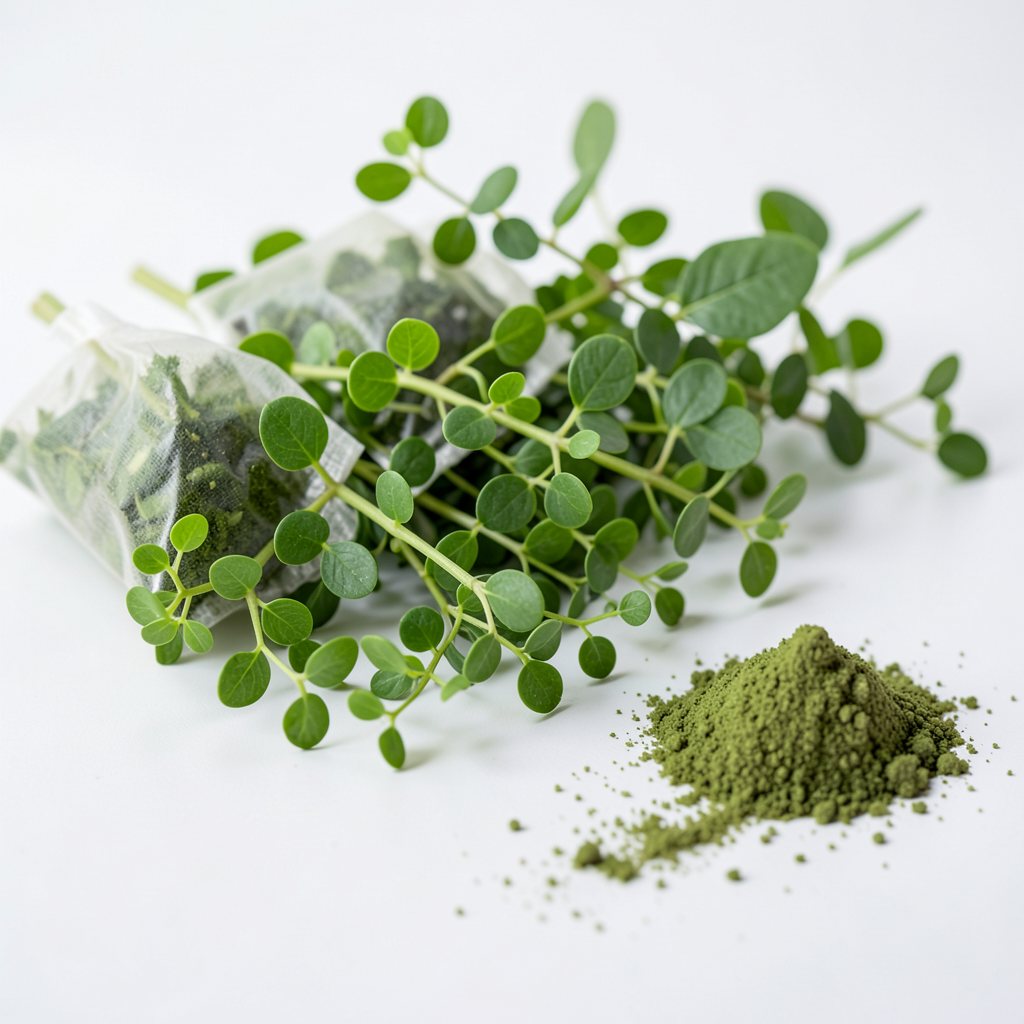
Moringa is a fast-growing tree used widely in South Asian cooking. What reliable sources say about it, including its current status under Australian food law.
Read More →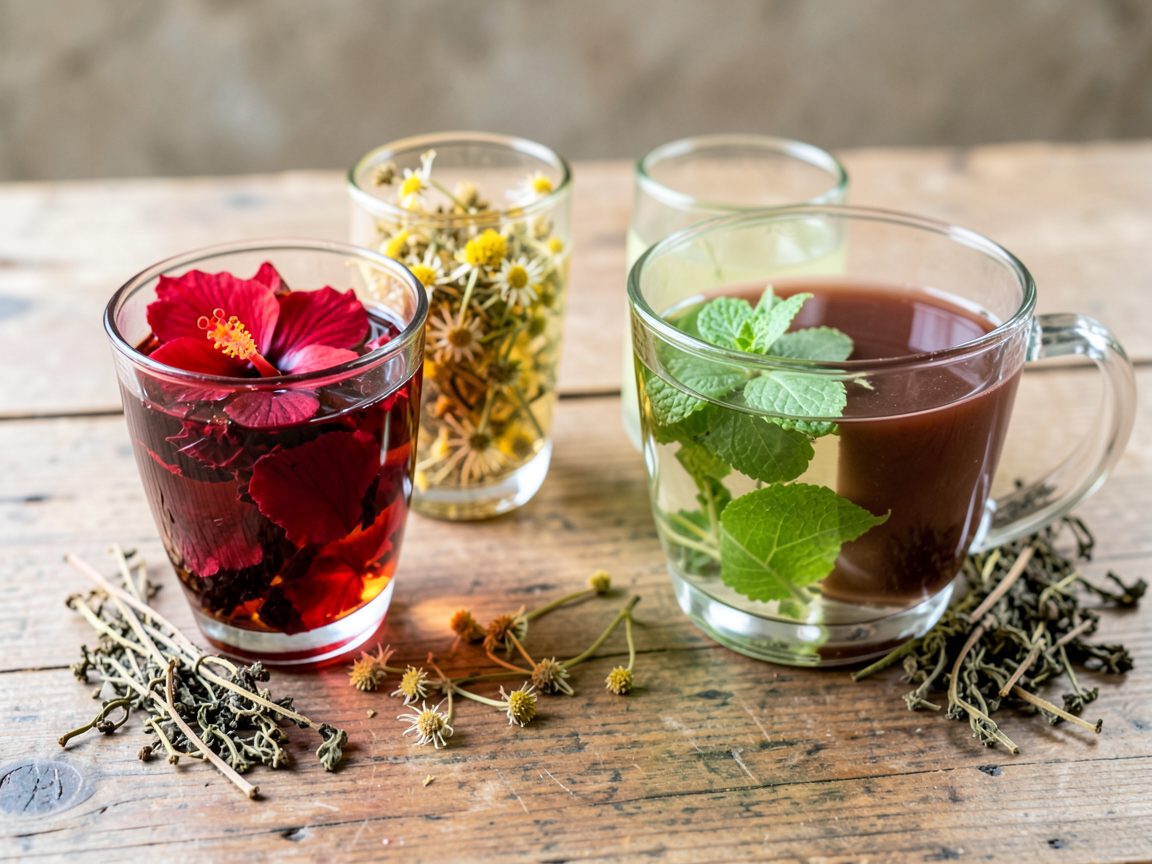
Hibiscus, chamomile, rooibos and peppermint are called "teas" — but none come from the tea plant. What herbal tea really is.
Read More →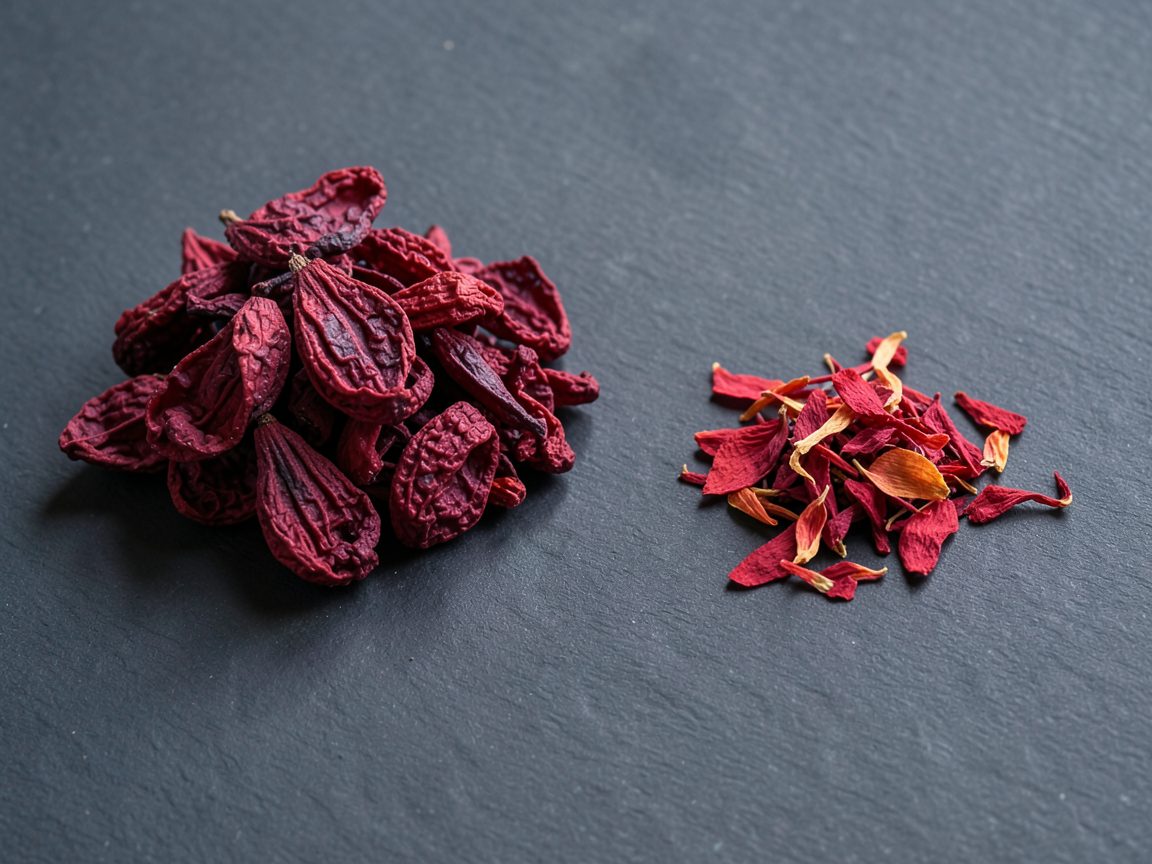
"Hibiscus tea" can come from two different plants: roselle calyces or Chinese hibiscus flowers. How they differ, and how to tell which you have.
Read More →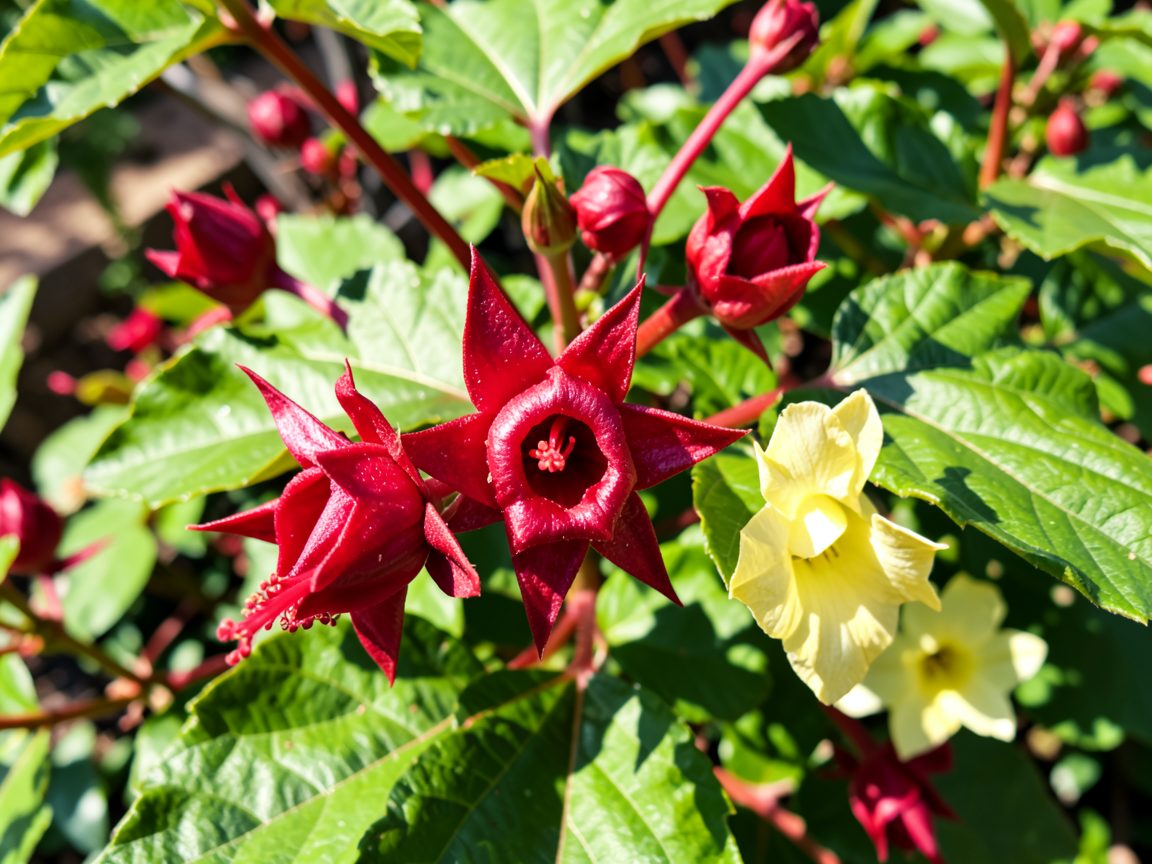
Australians call Hibiscus sabdariffa "rosella". The plant behind the name, its fleshy red calyces and how they're used around the world.
Read More →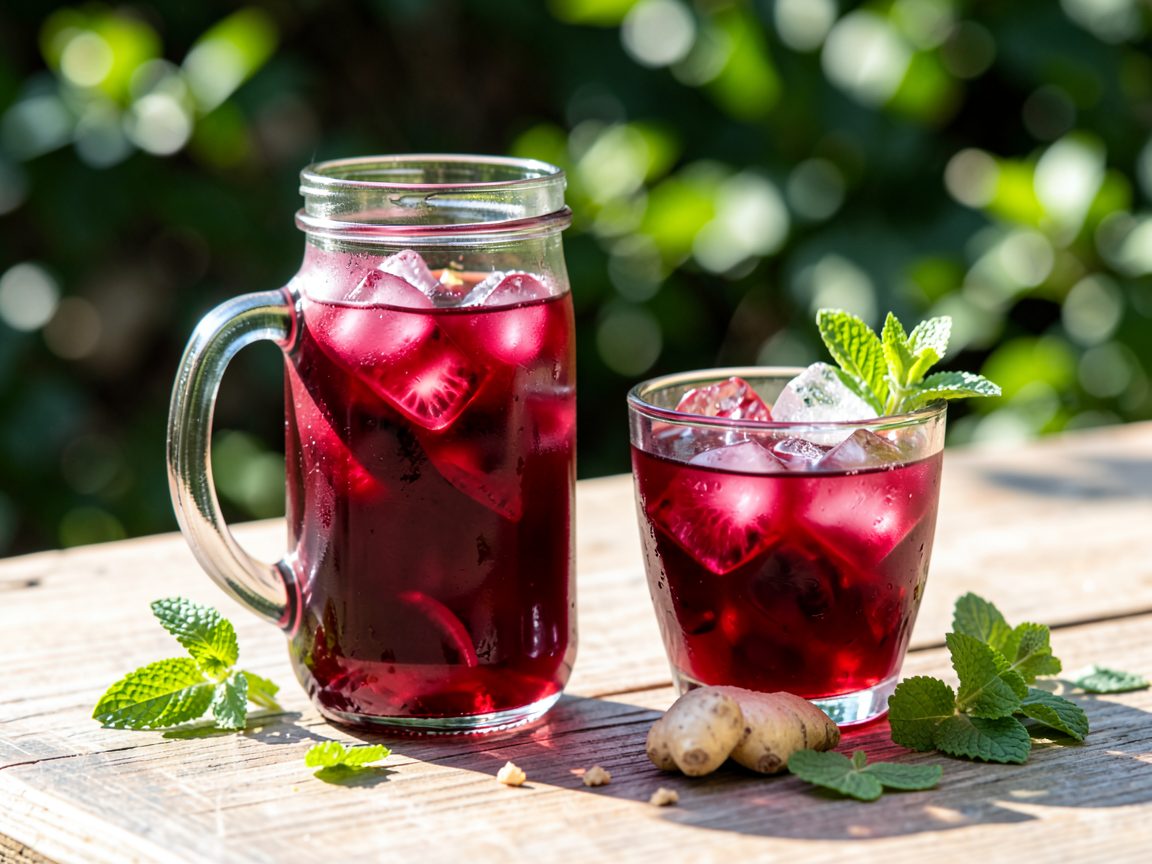
Egyptian karkadé, West African bissap and zobo, Caribbean sorrel and Mexican agua de Jamaica — hibiscus drinks around the world.
Read More →
Herbal infusions that are naturally caffeine-free — hibiscus, rooibos, cinnamon, peppermint — and a few "herbal" teas that aren't.
Read More →Cinnamon
5 articles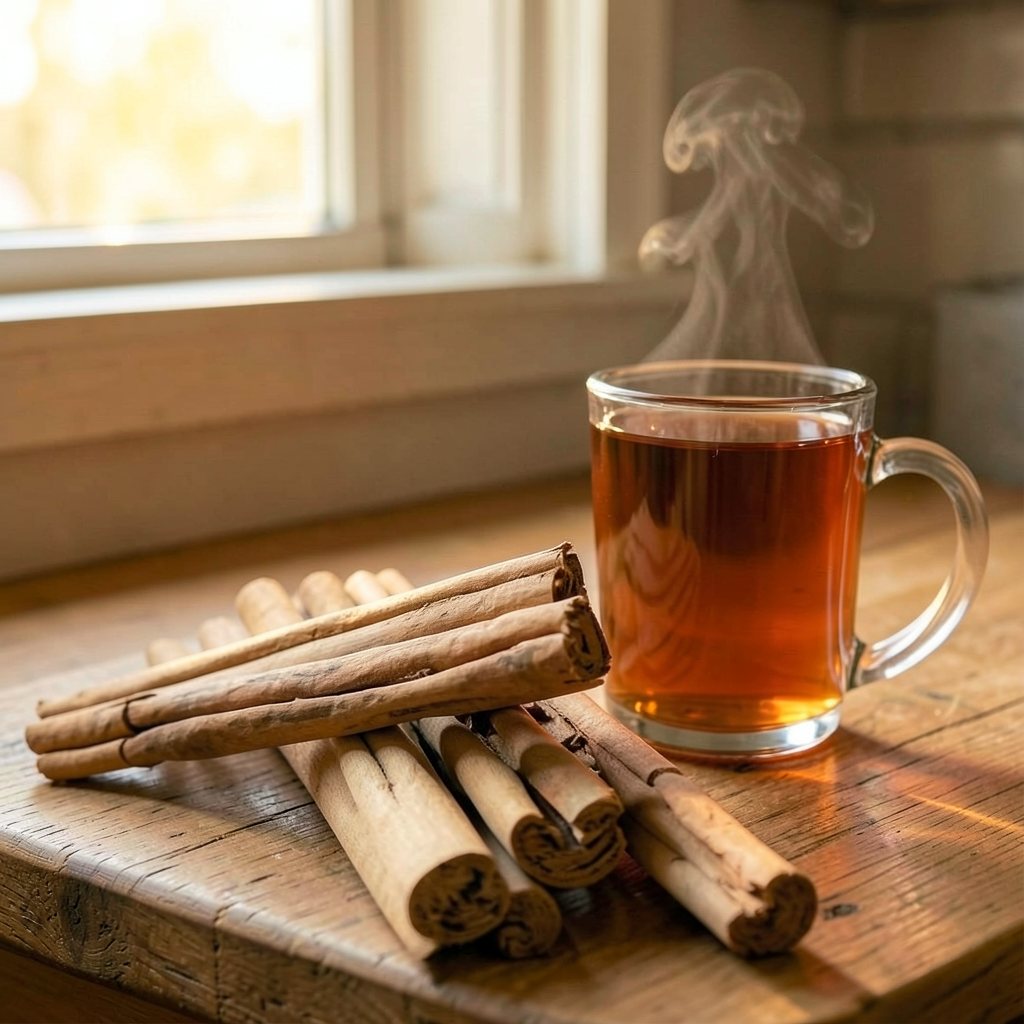
Most cinnamon in international trade is cassia. How true Ceylon cinnamon (Cinnamomum verum) differs in look, flavour and coumarin content.
Read More →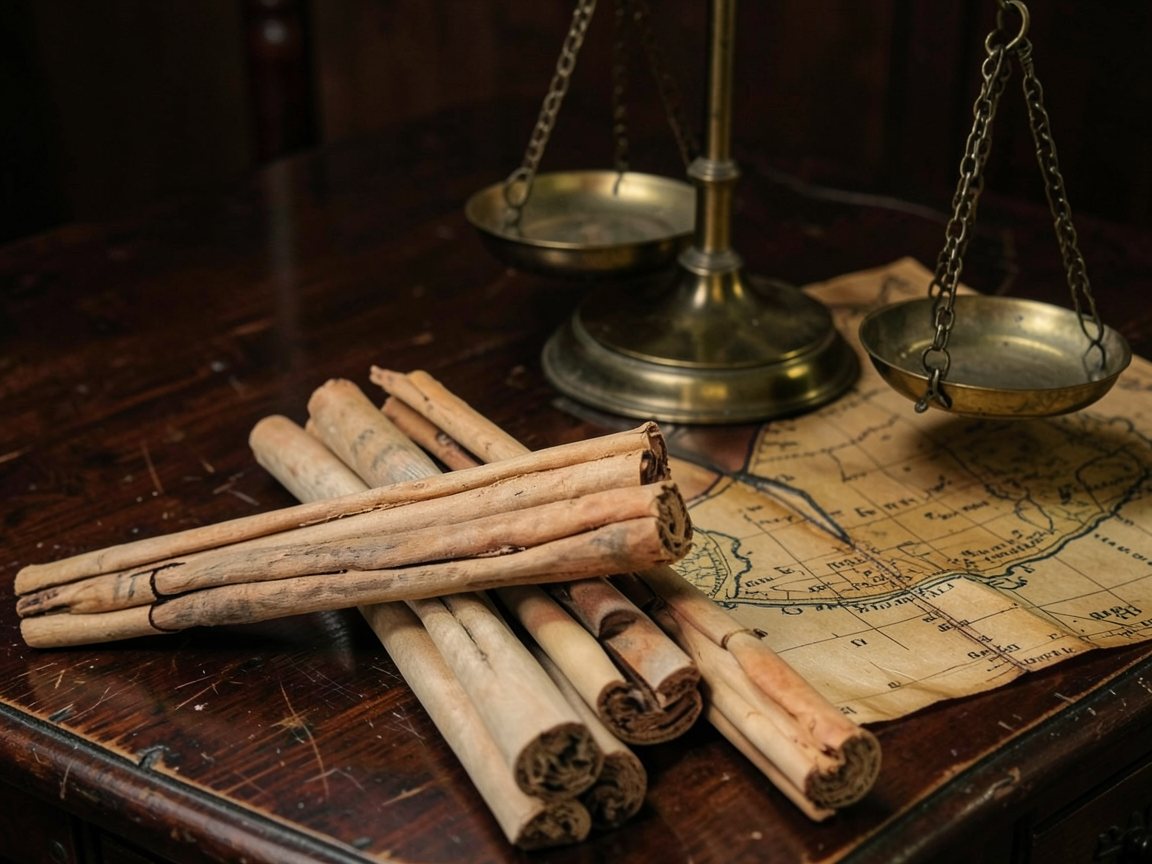
Prized in ancient Egypt and Rome, shrouded in myth, then fought over by the Portuguese and Dutch in Sri Lanka — the story of cinnamon.
Read More →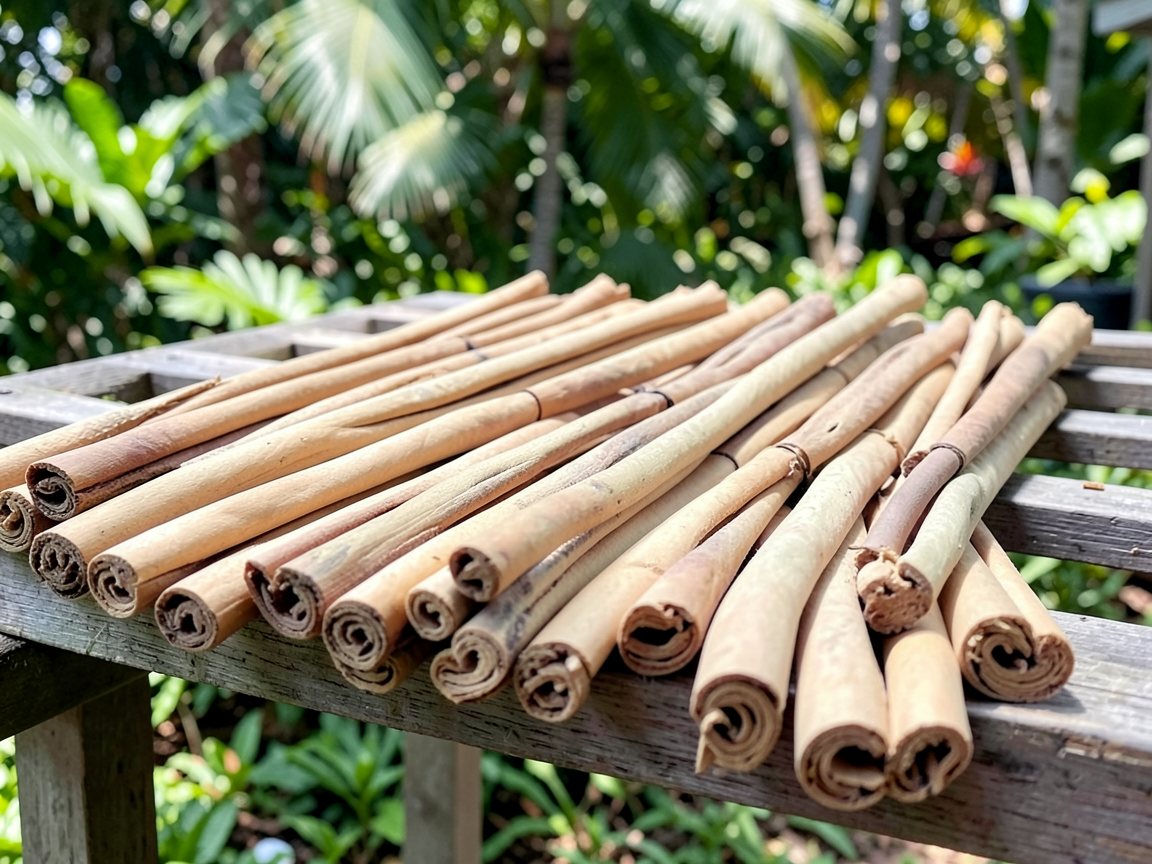
Every Ceylon cinnamon quill is peeled and rolled by hand. How the bark becomes the spice — harvesting, peeling, drying and grading.
Read More →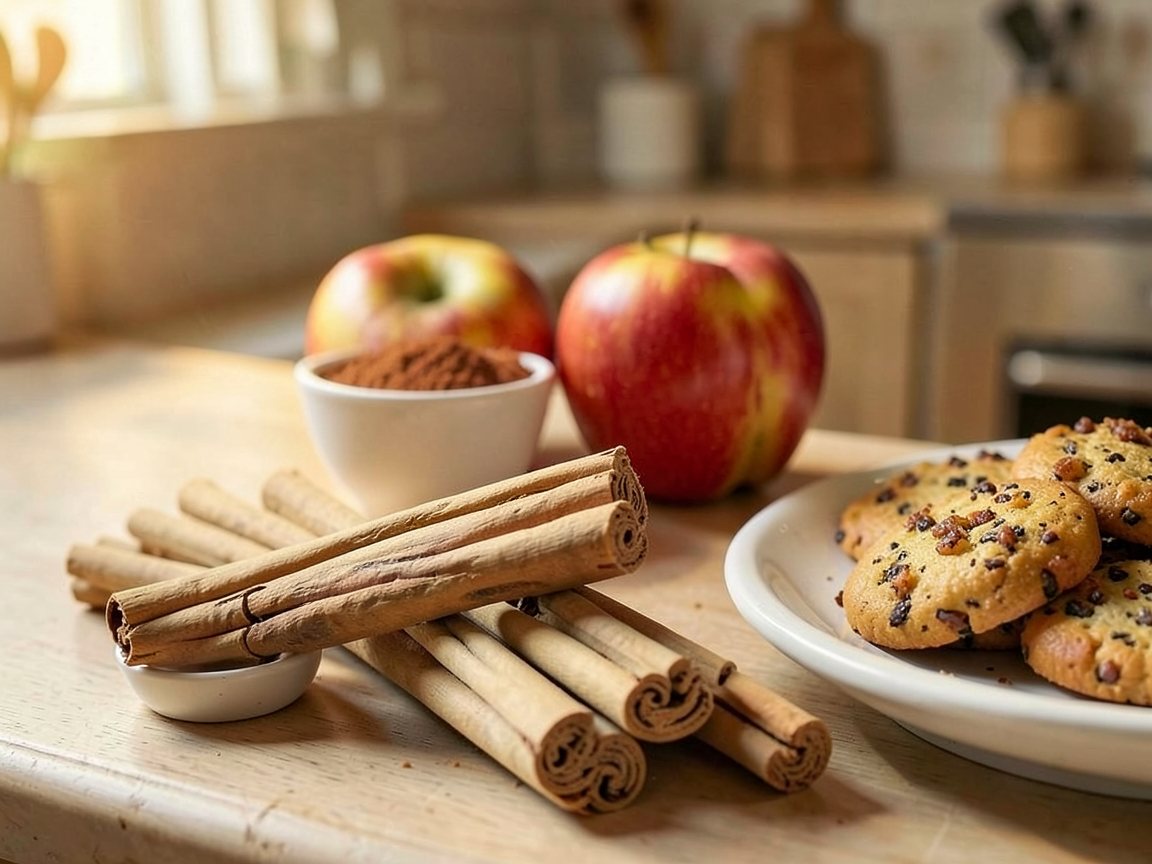
Ceylon cinnamon is more subtle and aromatic than cassia. When to use sticks or powder, and classic ways cinnamon is used around the world.
Read More →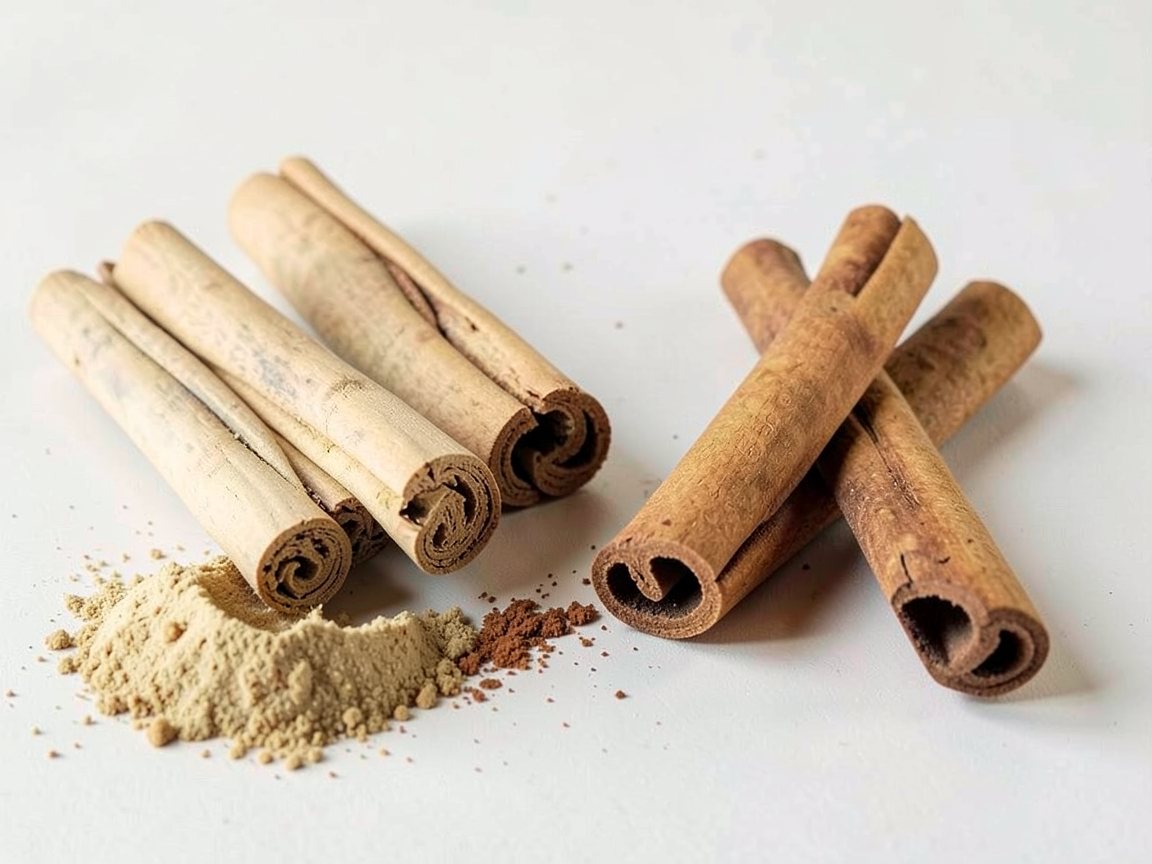
What coumarin is, how much is in Ceylon cinnamon versus cassia, what food-safety authorities say about intake, and why adulteration matters.
Read More →Tea Around the World
6 articles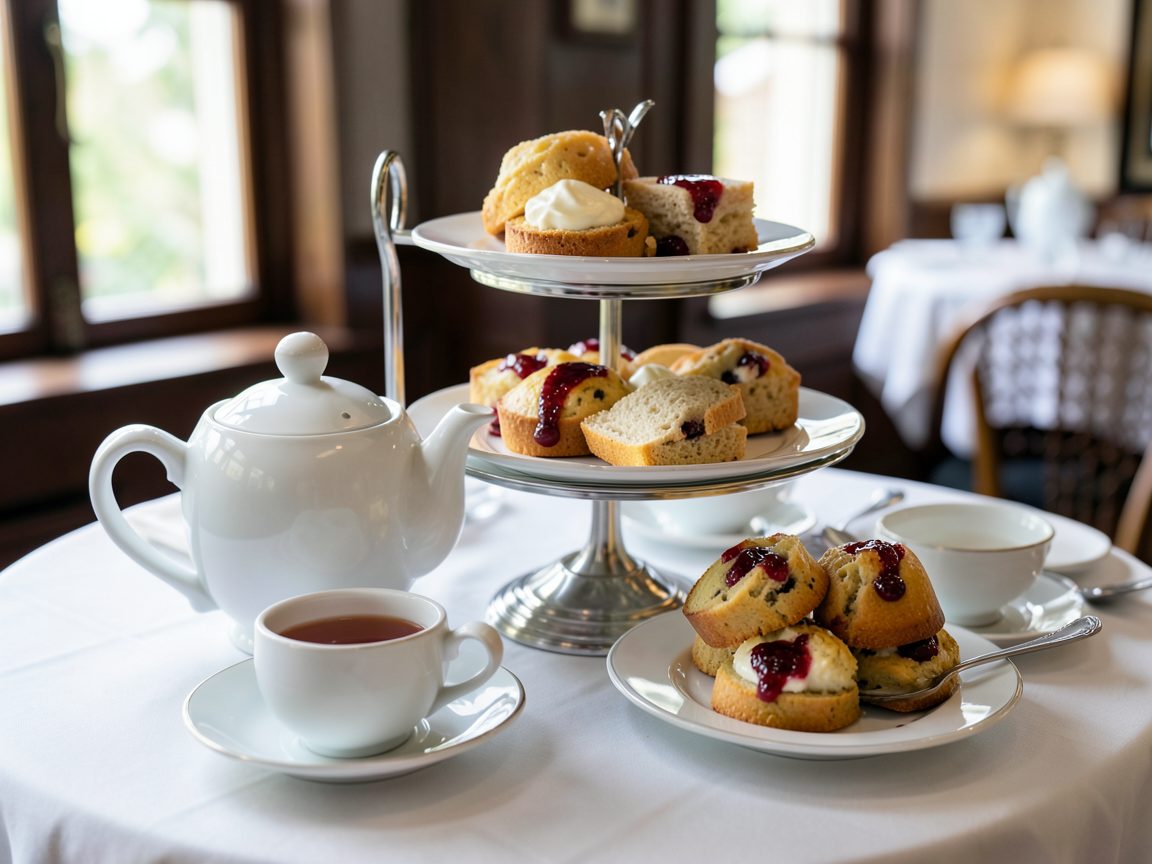
Scones, sandwiches and a pot of tea. Where afternoon tea came from, how it differs from high tea, and how it lives on in Australia.
Read More →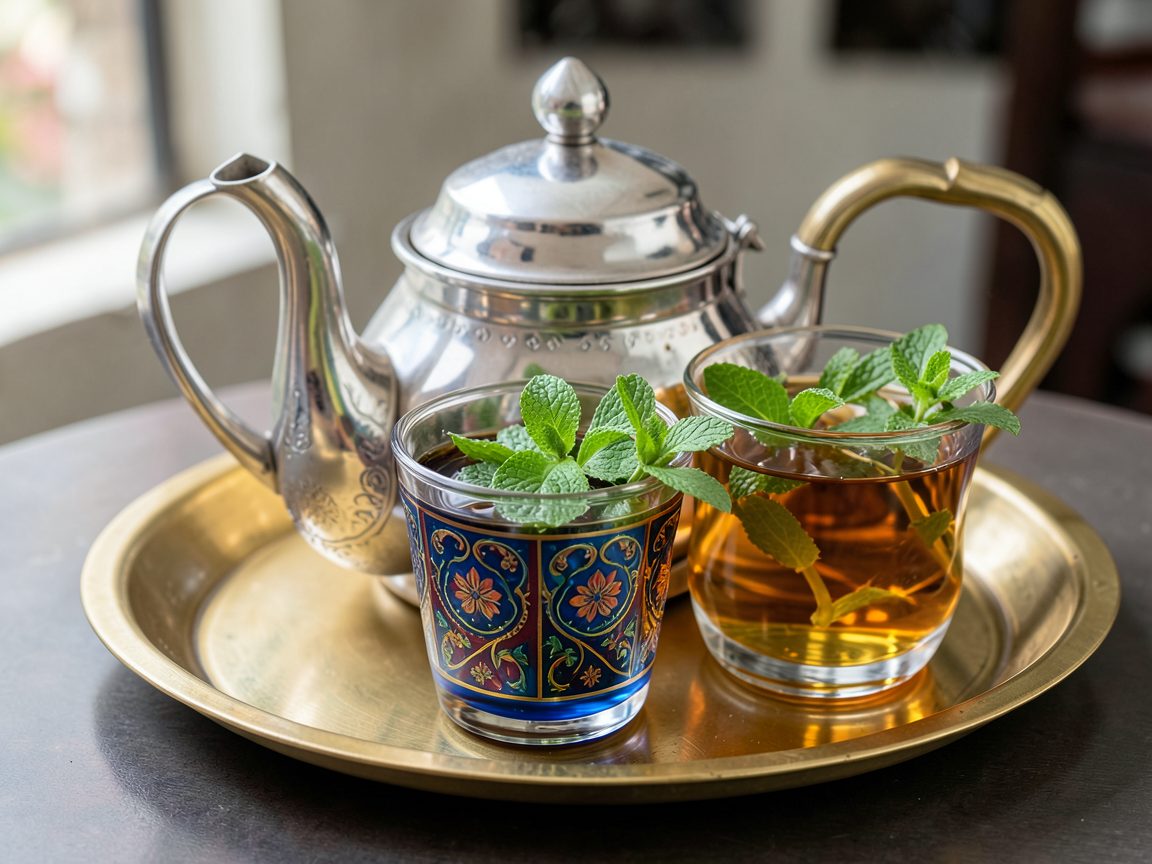
Across North Africa, mint tea is a symbol of hospitality — gunpowder green tea, fresh spearmint and sugar, poured from a height.
Read More →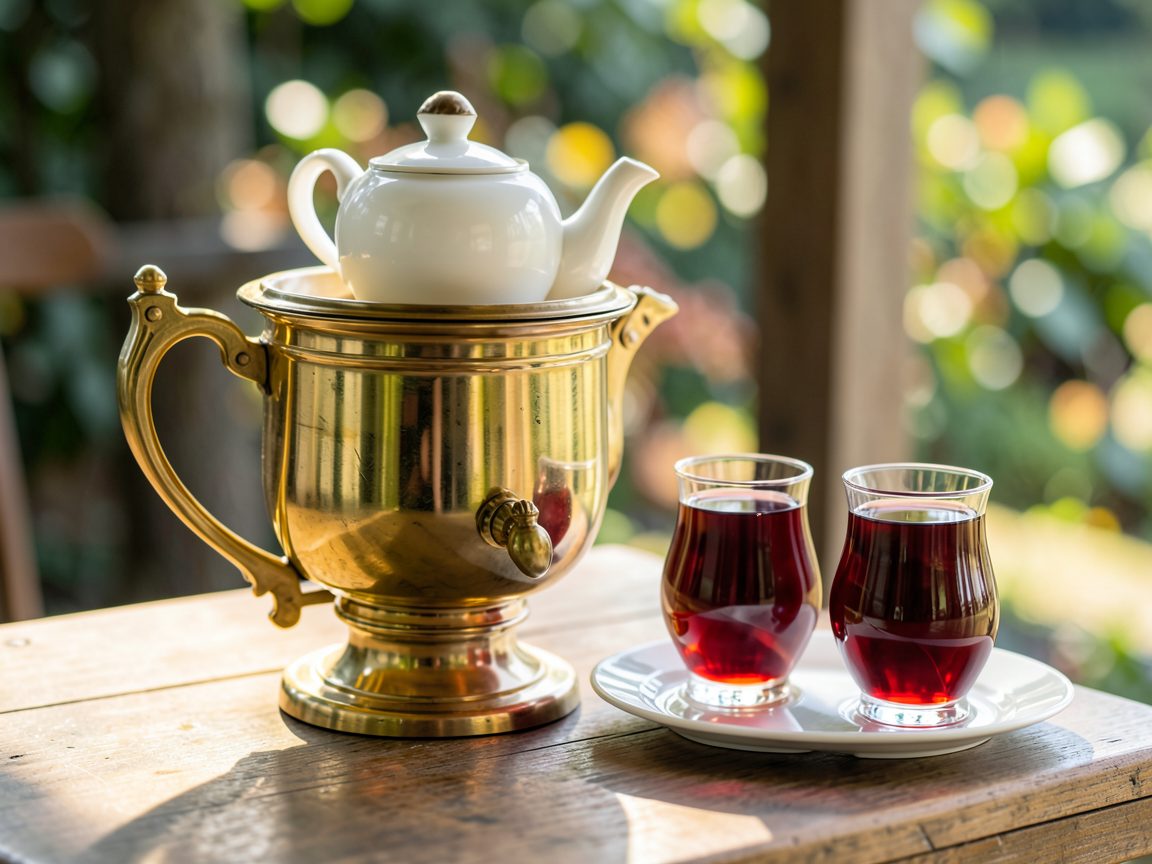
The samovar and zavarka concentrate, the Tea Road, and Turkish çay from Rize — how Russia and Turkey drink tea.
Read More →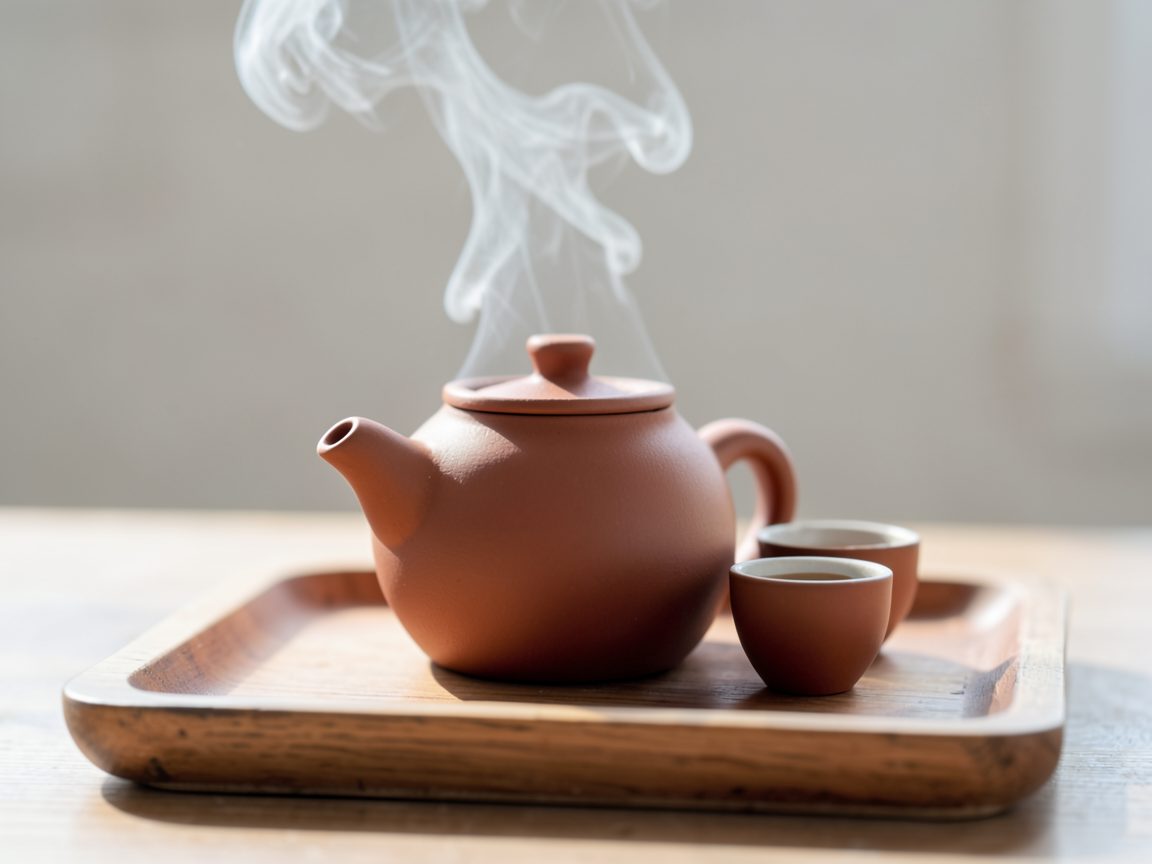
Shennong, Lu Yu's Classic of Tea and the gongfu method — a short introduction to Chinese tea culture and careful brewing.
Read More →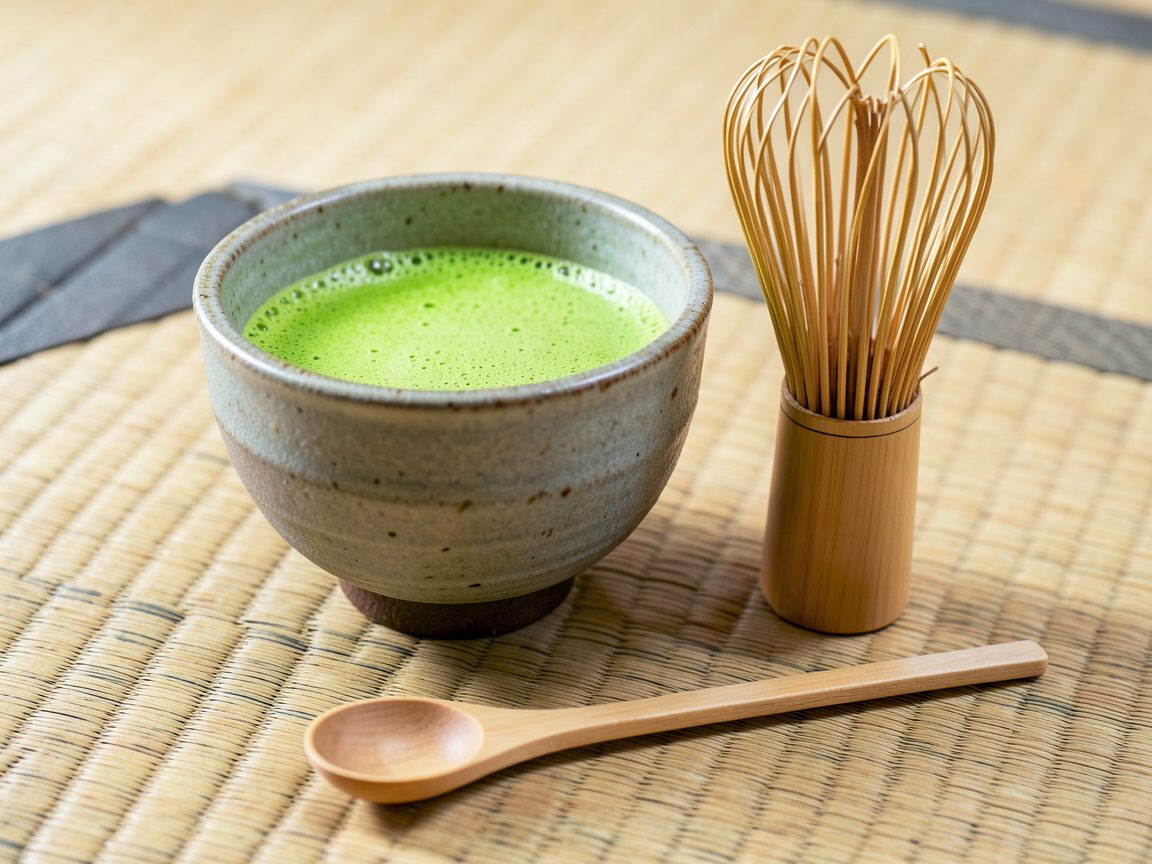
In Japan, preparing and serving tea became an art form. A short introduction to chanoyu, "the way of tea", and its history.
Read More →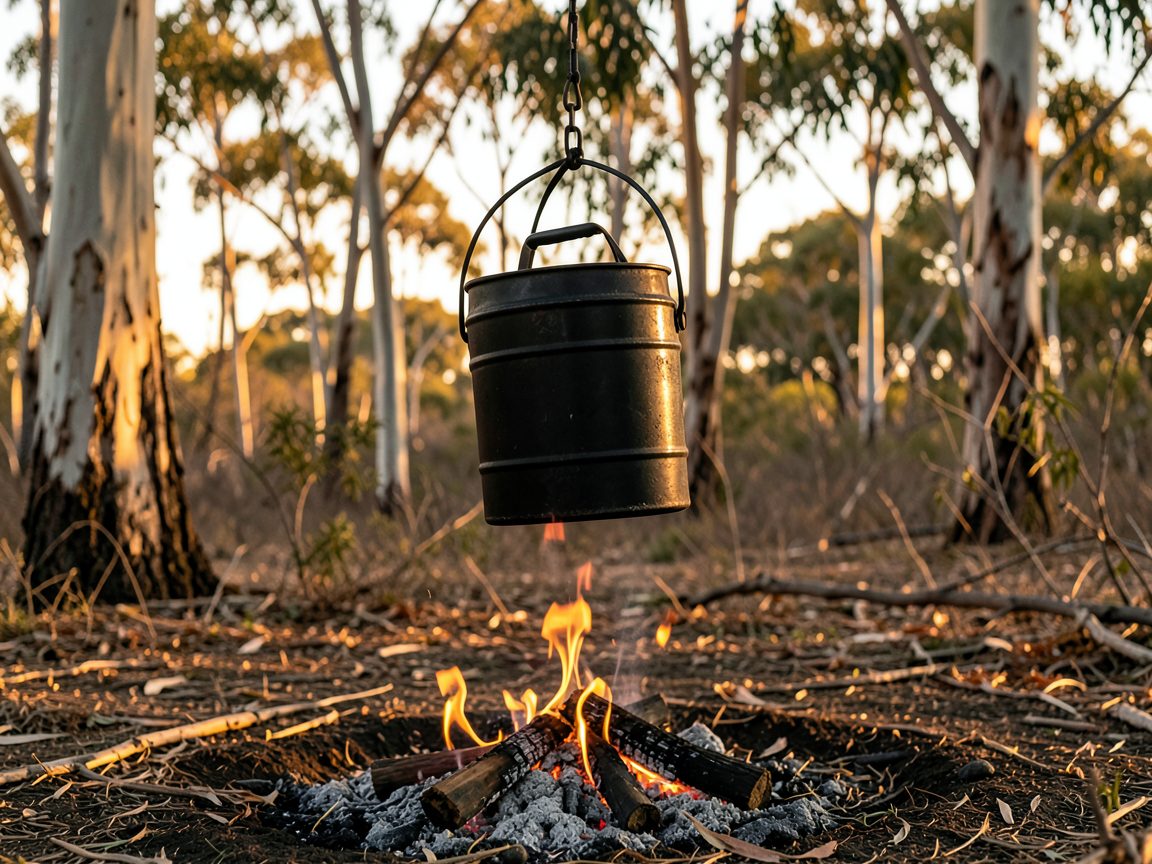
"Boil the billy" is as Australian as it gets. The history of the bush billycan, the tea brewed in it, and tea in Australian life.
Read More →Health & Wellbeing
3 articles
An honest summary of what reliable sources say about tea and health — the limits of the evidence, caffeine guidance and the cautions worth knowing.
Read More →
How much caffeine is in black, green, white and oolong tea, which herbal teas are caffeine-free, and what Australian guidance says.
Read More →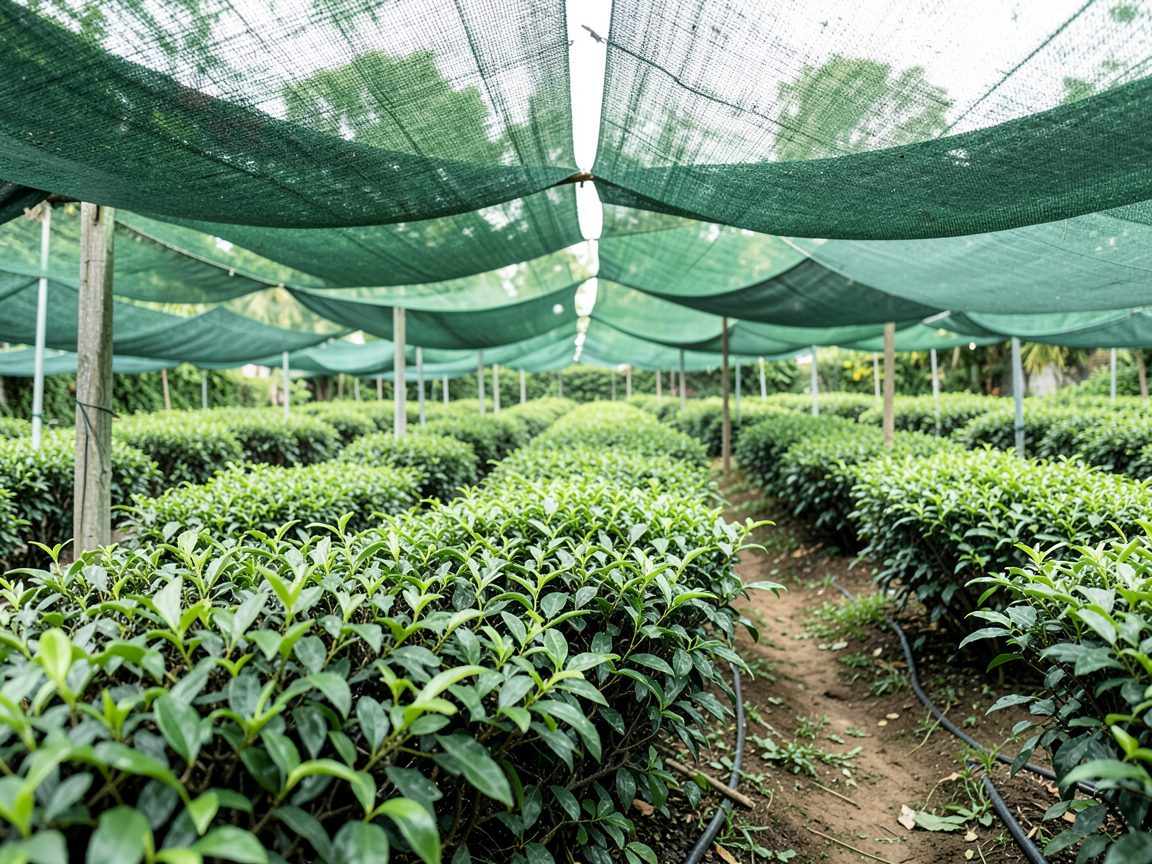
Theanine is an amino acid found in tea leaves. Where it comes from, how much tea contains, and what regulators have concluded about the evidence.
Read More →