Sri Lanka is an island nation, yet its teas range from light and refined to dark and strong, depending on where on the island they are grown.
The Sri Lanka Tea Board describes "seven tea regions, with seven soils and seven climes" (production process). This overview draws on the Tea Board's Tea Diversity page and Wikipedia.
- Regions: seven (Sri Lanka Tea Board)
- Groups: up-country, mid-country and low-country
- Highest: Nuwara Eliya, over 6,000 ft
- Mid-country: Kandy, 2,000–4,000 ft
- First estate: Loolecondera, 1867
Elevation and climate
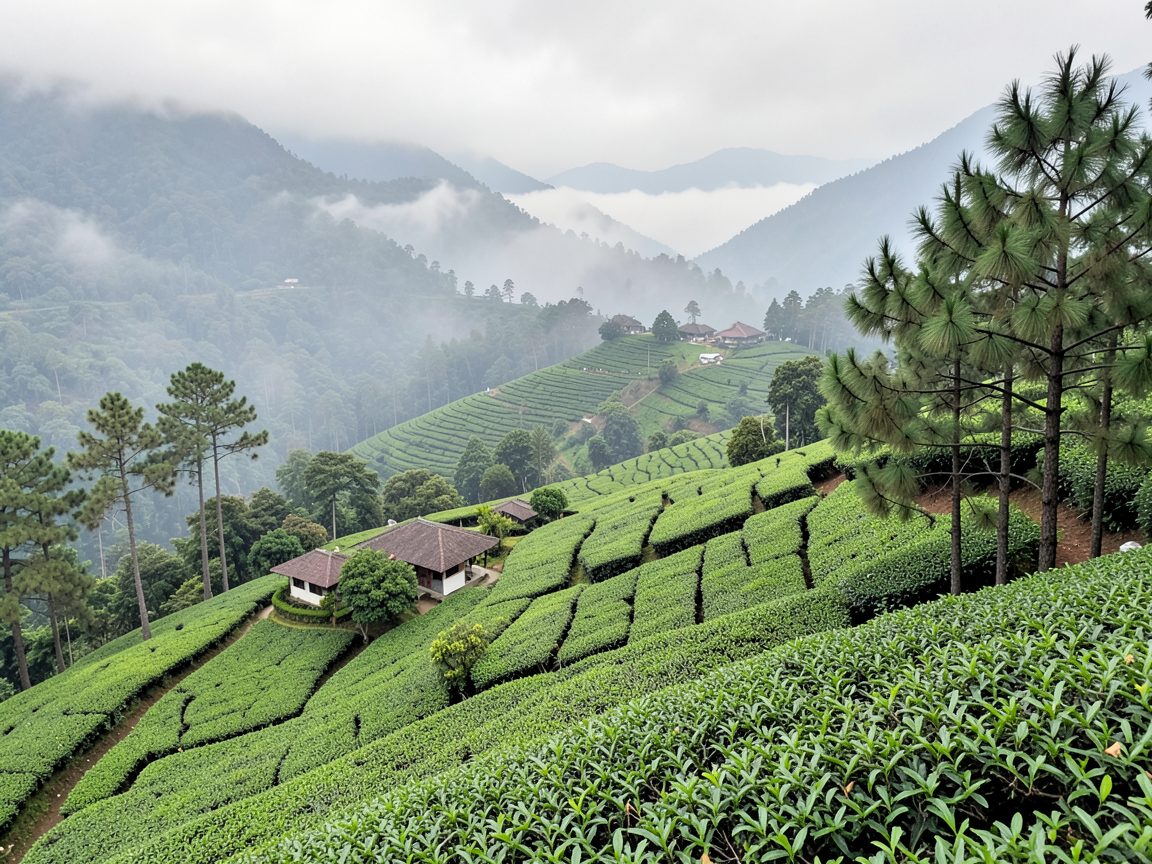
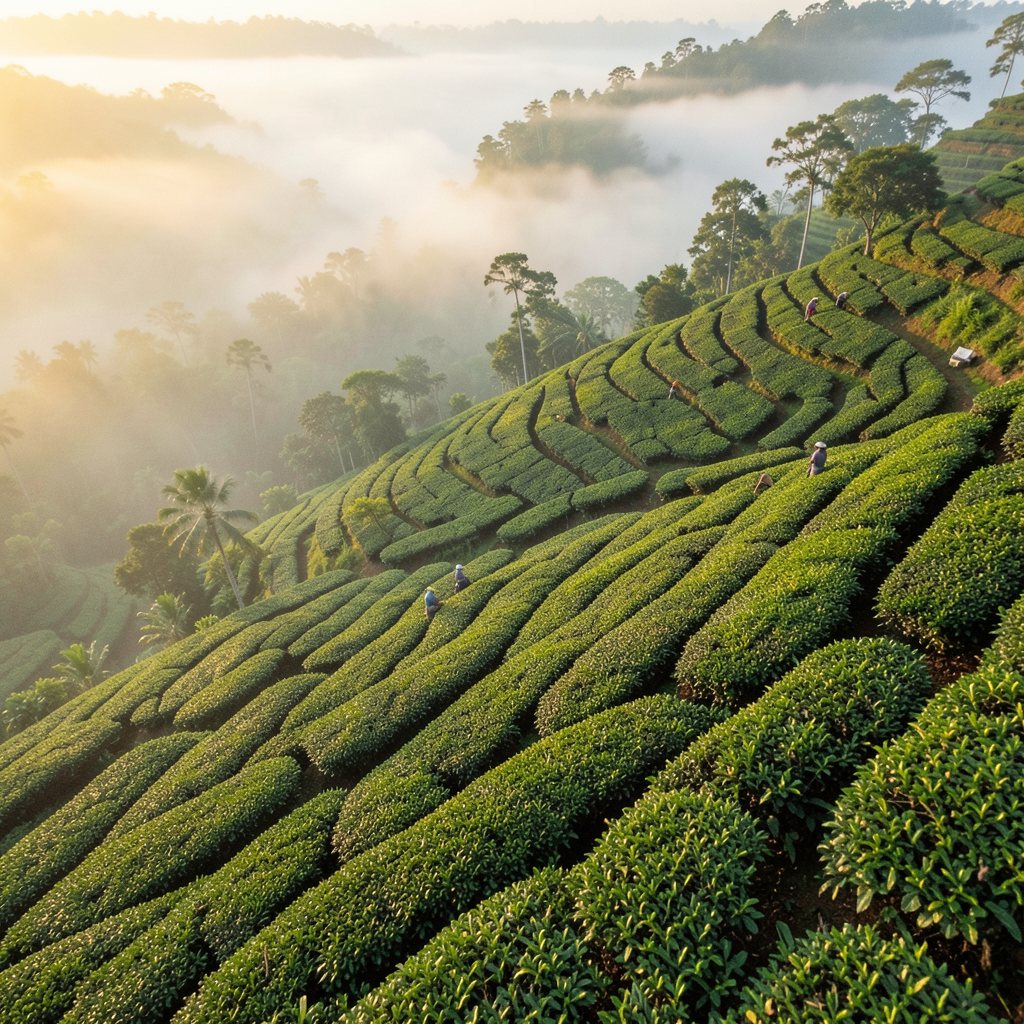
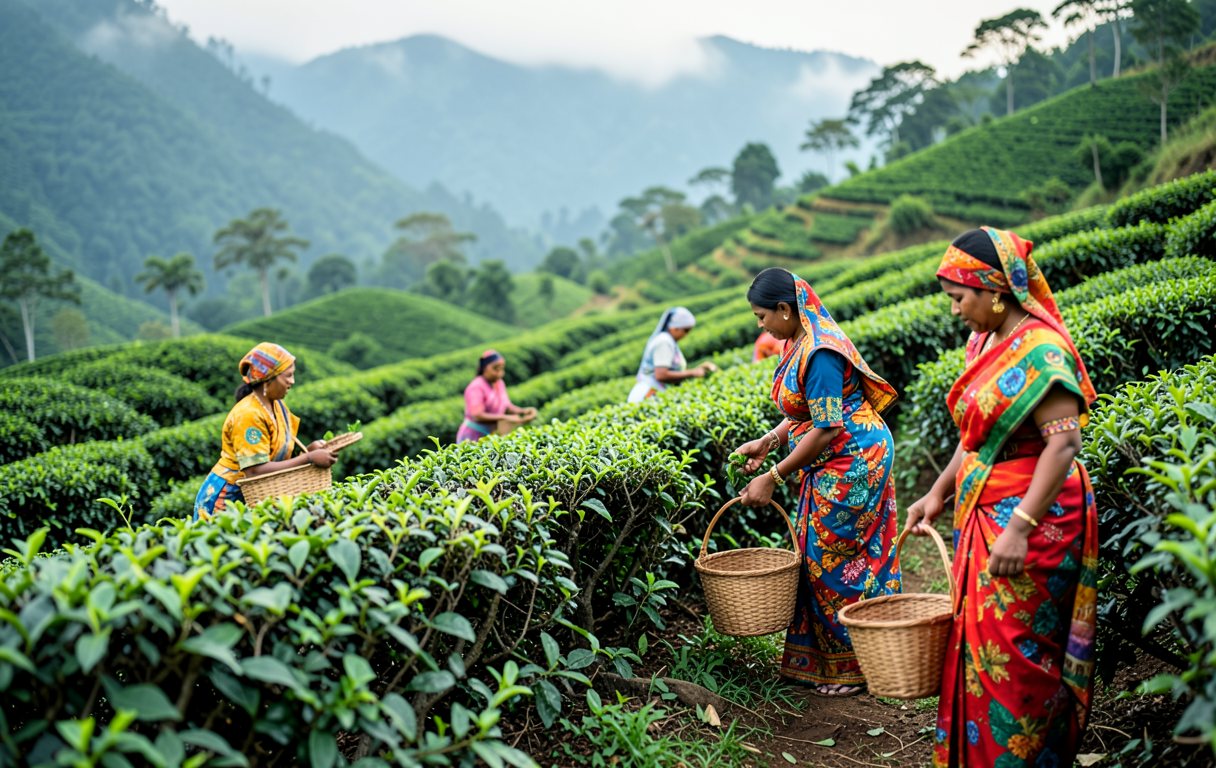
Wikipedia's history of tea article notes that Ceylon tea is divided into three groups — up-country, mid-country and low-country — based on the geography of the land where it is grown. Wikipedia's article on tea production in Sri Lanka adds that the humidity, cool temperatures and rainfall of the central highlands suit high-quality tea, while low-elevation tea from areas with high rainfall and warm temperatures exhibits high astringency and is popular in the Middle East.
The seven regions
| Region | Sri Lanka Tea Board description (summarised) |
|---|---|
| Nuwara Eliya | "Refined". Mountains over 6,000 ft; cool, sometimes frosty nights; the lightest and most refined teas, best taken light |
| Uda Pussellawa | "Exquisitely tangy". Medium-bodied rosy tea in June–September; darker and stronger with the north-east monsoon, November–January |
| Dimbula | "Refreshingly smooth". Cool and dry December–March; reddish, golden-orange cup; high grown |
| Uva | "Exotic". Exposed to both monsoons, but the winds arrive dry, giving a special concentrated aroma |
| Kandy | "Full-bodied". Mid-country tea grown at 2,000–4,000 ft; robust and strong |
| Sabaragamuwa | "Strong, scarlet". Lower elevation; dark reddish-black leaf; scarlet, full-bodied cup |
| Ruhuna | "Dark, strong". Low-lying south; distinctly black leaf; strong, rich and full-bodied |
Uda Pussellawa takes its name from a small town in the Nuwara Eliya District (Wikipedia). Ruhuna is also spelt "Ruhunu".
A short history
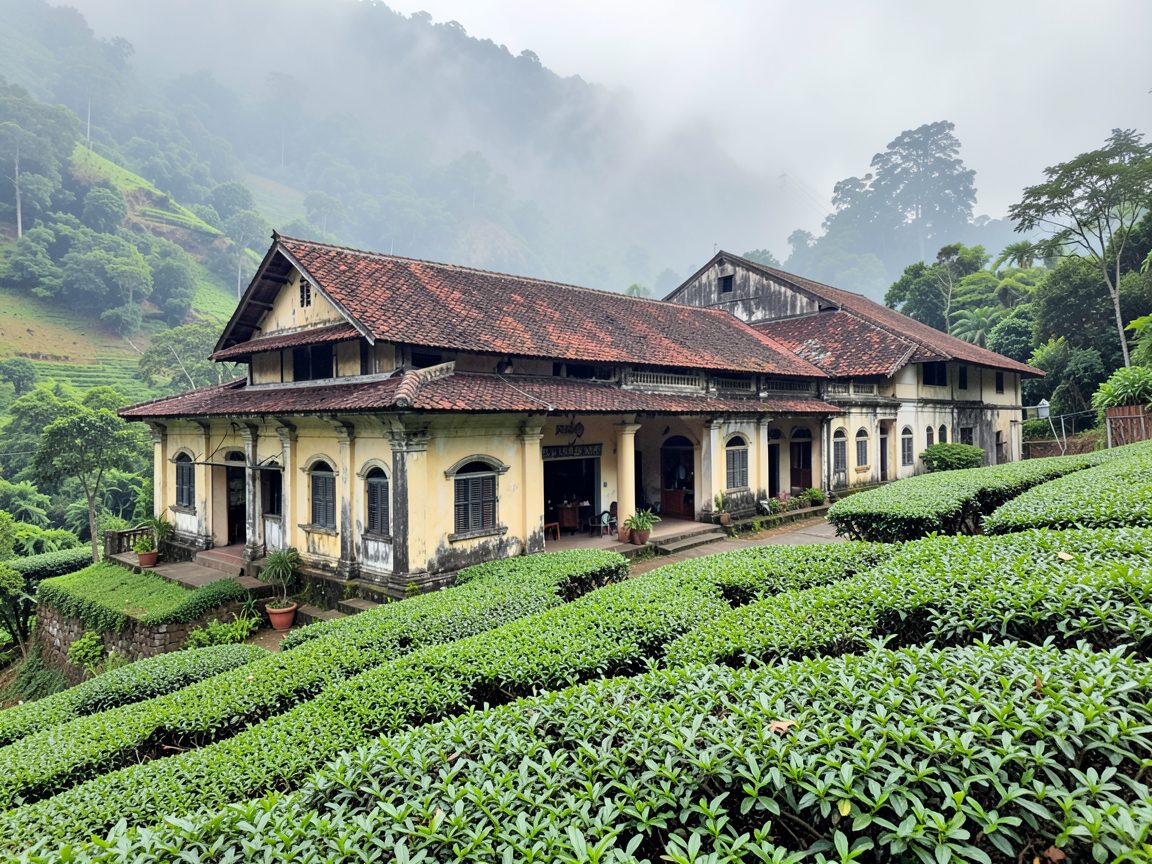
- 1867: James Taylor planted Sri Lanka's first tea plantation at Loolecondera, about 35 km south-east of Kandy (Wikipedia).
- From 1869: coffee leaf rust devastated the island's coffee, and planters turned to tea.
- 1972: Ceylon became the Republic of Sri Lanka, but "Ceylon" remains the name of its tea.
Read A History of Ceylon Tea.
Reading the region on a pack
Because each region has its own character, the region on a pack is a useful guide. The Lion logo marks 100% Ceylon tea packed in Sri Lanka, and the leaf grade (OP, BOP and so on) describes leaf size — see What is Orange Pekoe?
Frequently asked questions
How many tea regions does Sri Lanka have?
The Sri Lanka Tea Board describes seven: Nuwara Eliya, Uda Pussellawa, Dimbula, Uva, Kandy, Sabaragamuwa and Ruhuna.
Is Ceylon tea the same as Sri Lankan tea?
Yes. Ceylon was the island's name until 1972, and "Ceylon tea" remains the name of tea from Sri Lanka.