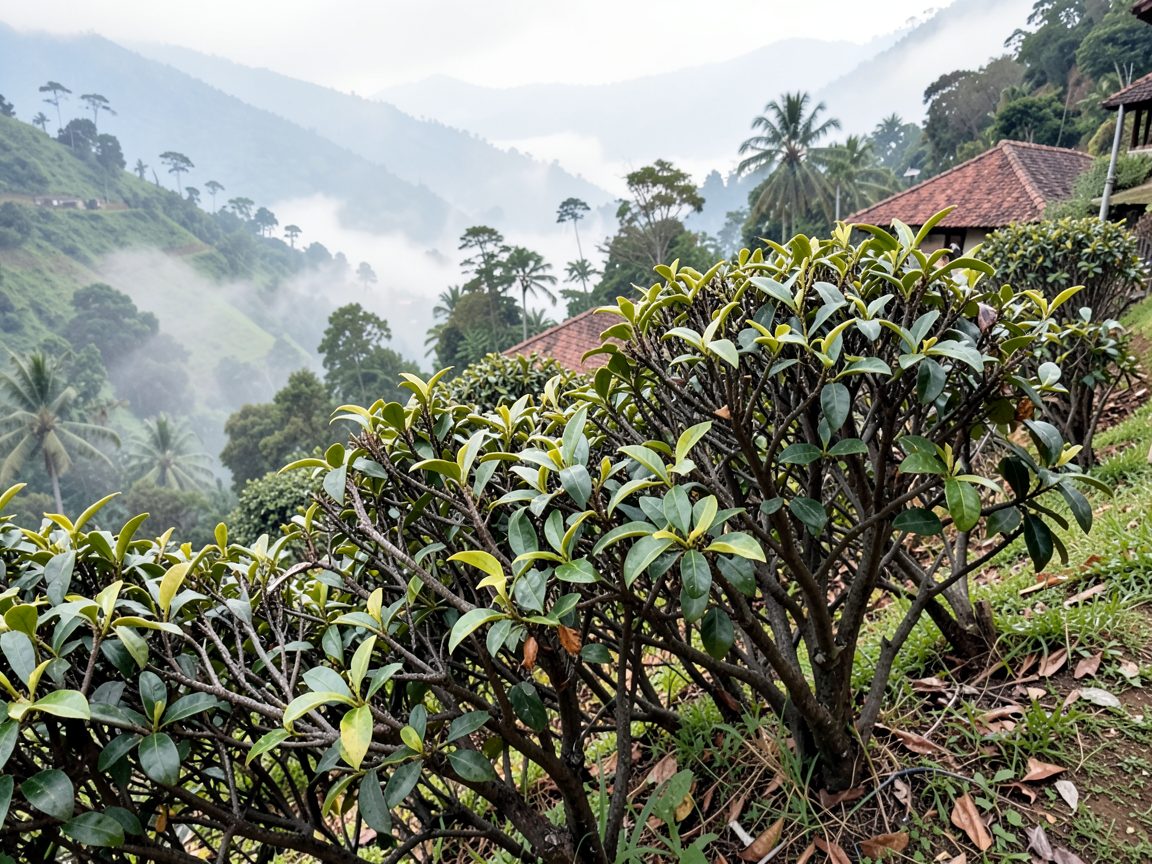
Ceylon tea is younger than you might think. Sri Lanka's first commercial tea plantation was planted in 1867 — and within a few decades tea had replaced coffee as the island's great crop.
This timeline draws on the Sri Lanka Tea Board's Story of Ceylon Tea and Wikipedia's articles on tea production in Sri Lanka and coffee production in Sri Lanka.
- 1867: first tea plantation, Loolecondera
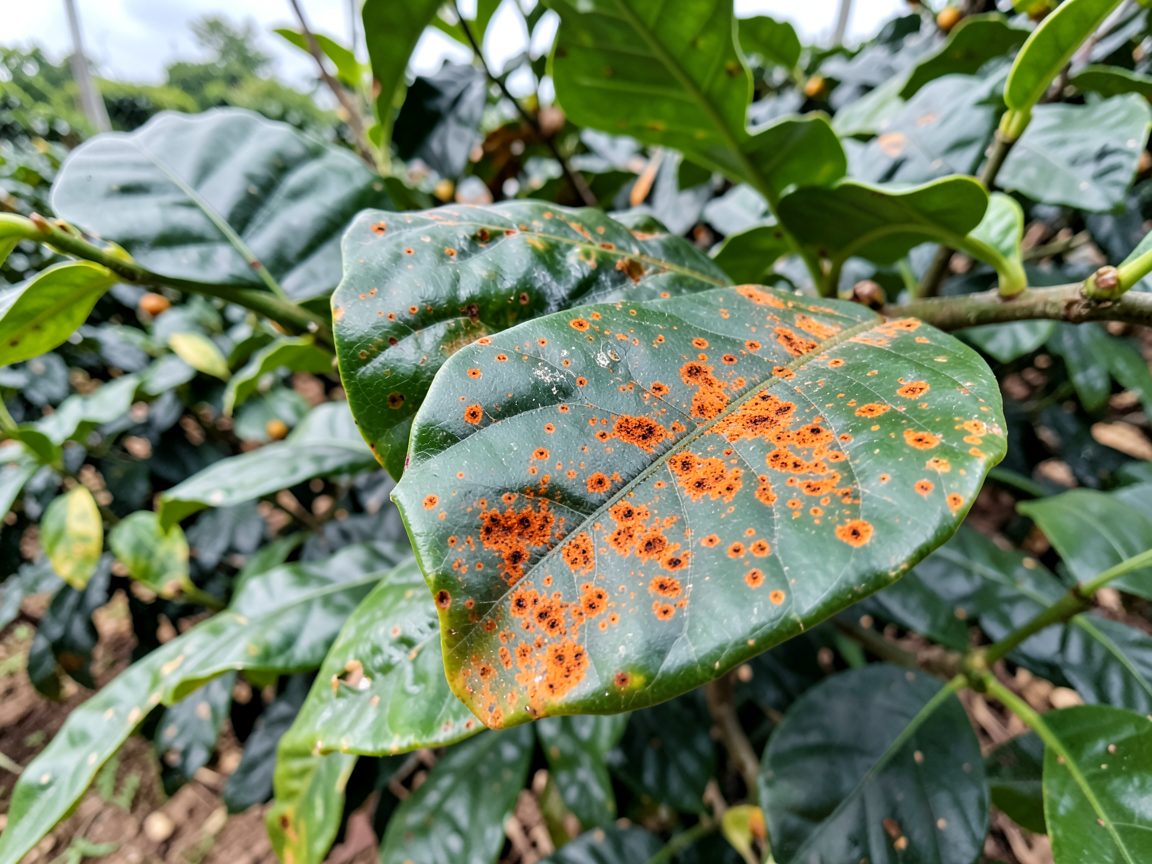
- 1869: coffee leaf rust strikes
- 1883: first Colombo tea auction
- 1965: Sri Lanka becomes largest tea exporter
- 1999: Lion logo trademarked globally
Before tea: the coffee era
In the 19th century Ceylon was a coffee island. Wikipedia records that by 1860 Sri Lanka, Brazil and Indonesia were the three largest coffee producers in the world, and that coffee cultivation peaked in 1870 at over 111,400 hectares. Then disaster struck — see When Coffee Failed.
Timeline
| Year | Milestone |
|---|---|
| 1852 | James Taylor arrives in Ceylon |
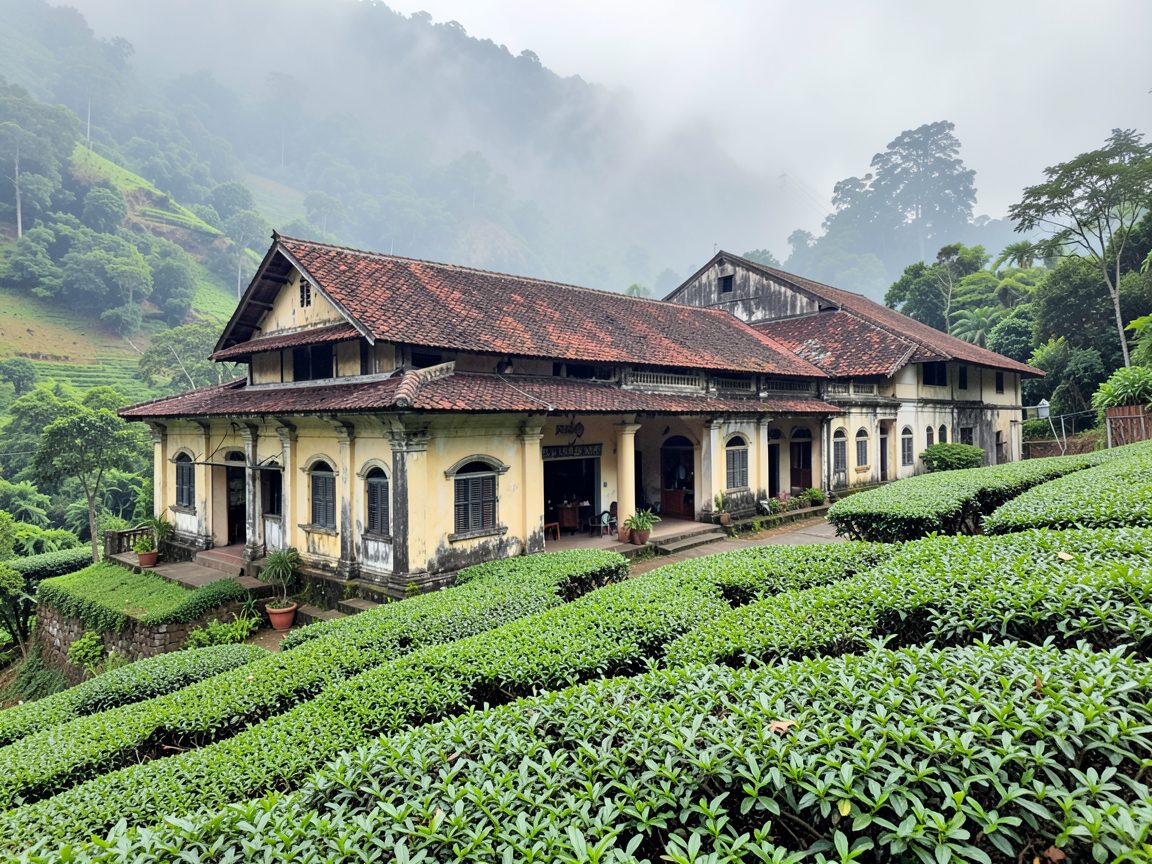
| 1867 | Taylor plants 19 acres of tea at Loolecondera estate |
| 1869 | Coffee leaf rust begins devastating Ceylon's coffee |
| 1872 | A fully equipped tea factory operates at Loolecondera |
| 1873 | 23 lb of Taylor's tea reaches London |
| 1883 | The first public Colombo tea auction is held |
| 1892 | James Taylor dies, aged 57 |
| 1925 | The Tea Research Institute is established |
| 1965 | Sri Lanka becomes the world's largest tea exporter |
| 1971–72 | The government nationalises privately held tea estates |
| 1976 | The Sri Lanka Tea Board is established; tea-bag exports begin |
| 1982 | Production and export of green tea begins |
| 1983 | The CTC processing method is introduced |
| 1993 | State-owned estates return to the private sector |
| 1998 | The London Tea Auction closes; trade centres on Colombo |
| 1999 | The Lion logo is trademarked globally |
| 2011 | Ceylon Tea obtains Geographical Indication certification |
| 2017 | 150 years of Ceylon tea |
Sources: Sri Lanka Tea Board timeline; Wikipedia.
Rebuilding after coffee
The Tea Board's article The Birth of Ceylon Tea describes how more than 120,000 hectares of land had to be cleared of dead coffee bushes and replanted with tea. By the late 1880s, according to the Tea Board timeline, almost all coffee plantations had been converted to tea, helped by new technology such as the Sirocco tea dryer (1877) and the tea-rolling machine (1880).
Ceylon tea today
- Wikipedia describes Sri Lanka as the world's fourth-largest tea producer, and notes that in 2019 it was the third-largest tea exporter.
- Tea accounts for about 2% of GDP and employs, directly or indirectly, over 1 million people (Wikipedia).
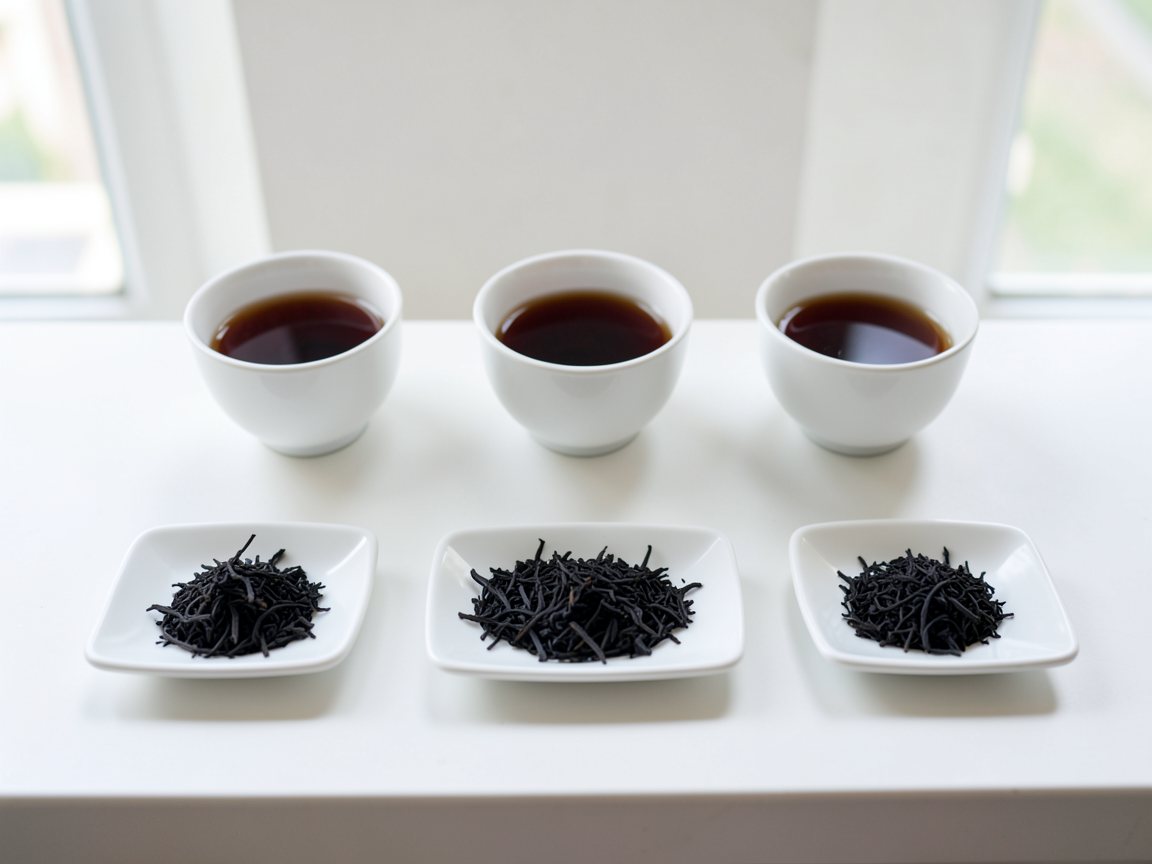
- The country produces primarily orthodox black teas, as well as CTC, white and green teas.
Ceylon was the island's name until it became the Republic of Sri Lanka in 1972, but "Ceylon" lives on as the name of its tea (Wikipedia: Sri Lanka).