ImportantThis article is general information, not medical advice. We make no claim that any tea treats, cures or prevents any disease. If you have a health condition, are pregnant or take medication, talk to your doctor or pharmacist.
You'll find plenty of bold health claims about tea online. This article takes a different approach: it summarises what reliable sources actually conclude — including where the evidence is weak.
In this article
At a glance
- Wikipedia: no high-quality evidence that tea has health effects, other than possibly alertness from caffeine
- Black tea: about 50 mg caffeine per 220 ml cup
- Healthy adults: around 400 mg caffeine a day
- Pregnant or breastfeeding: 200 mg a day
- Supplements: green tea extracts linked to liver harm
The overall picture
Wikipedia's article on tea states:
- "There is no high-quality evidence showing that tea consumption has health effects, other than possibly increasing alertness caused by caffeine in the leaves."
- "There is insufficient evidence that tea polyphenols have any effect on health or lowering disease risk."
Enjoy tea for its taste and ritual — not because of health promises.
What sources say, tea by tea
| Tea | What reliable sources say |
|---|---|
| Black tea | Wikipedia: "no substantial clinical evidence that consuming black tea provides any medical benefits" |
| Green tea | Wikipedia: drinking green tea does not provide proven health effects; excessive intake of green tea extracts can cause liver damage |
| Hibiscus | A 2022 meta-analysis found a modest reduction in systolic blood pressure; a 2021 Cochrane review found the evidence insufficient |
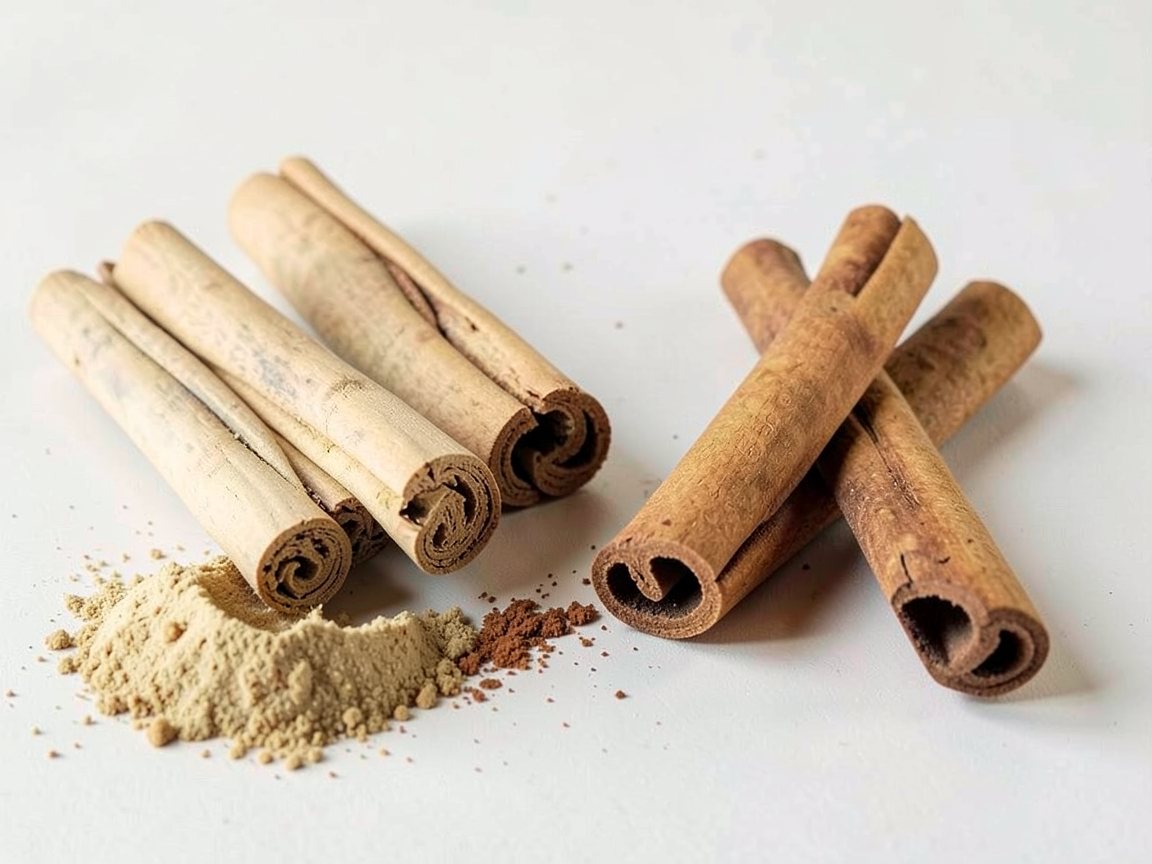
| Cinnamon | US NCCIH: studies have not clearly shown cinnamon is helpful for any health condition |
| Theanine | EFSA (2011): insufficient evidence for claimed effects on cognition, stress or sleep |
Caffeine
healthdirect Australia advises:
- Healthy adults can safely have around 400 mg of caffeine a day.
- If pregnant or breastfeeding, limit caffeine to 200 mg a day.
- A 220 ml cup of black tea contains about 50 mg.
See Caffeine in Tea and Caffeine-Free Teas.
Cautions worth knowing
- Green tea extracts: Wikipedia notes that long-term intake of green tea extracts containing more than 800 mg of EGCG a day has been linked to raised liver enzymes and potential liver toxicity in some people. Brewed tea typically supplies far less.
- Cassia cinnamon: high in coumarin — see Coumarin Explained.
- Herbal teas: some herbs interact with medicines or are unsuitable in pregnancy — see What Is Herbal Tea?
- Moringa: not currently permitted for retail sale as a food in Australia — see Moringa.

A note on sugar
Sugar and sweetened milk add kilojoules to tea. If you're watching your sugar intake, try reducing the amount you add.
Sources & further reading
- Wikipedia: Tea
- Wikipedia: Black tea
- Wikipedia: Green tea
- healthdirect Australia: Caffeine
- US NCCIH: Cinnamon
- Wikipedia: Roselle (plant)
- Ellis LR, et al. Hibiscus sabdariffa meta-analysis, Nutrition Reviews, 2022.
- Wikipedia: Theanine