If you've read about tea online, you've probably met L-theanine. It's an amino acid made by the tea plant — and the subject of a lot of marketing.
This article sticks to what is documented in Wikipedia's article on theanine, including the conclusions of food-safety regulators.
- Discovered: 1949, in green tea
- Isolated: 1950, from gyokuro leaves
- In tea: about 1% of dry leaf weight
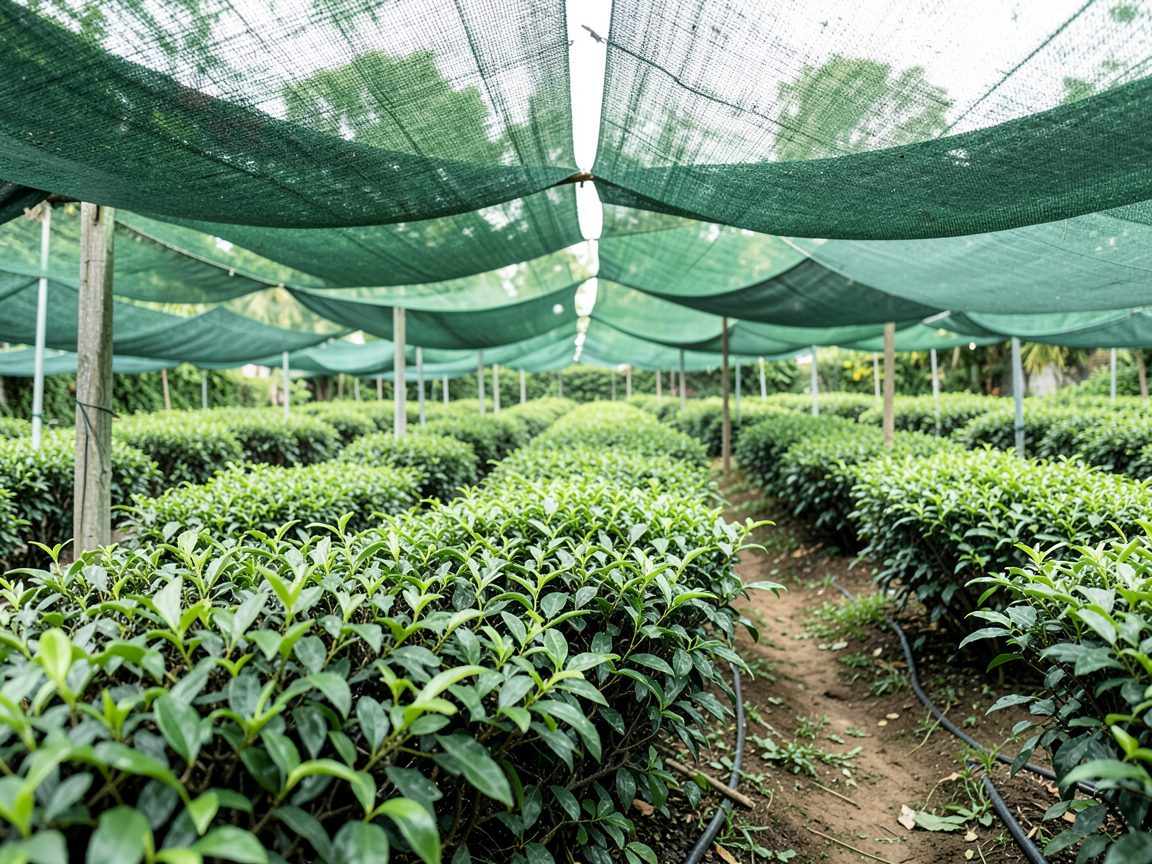
- Shading: increases theanine (as for matcha)
- EFSA (2011): insufficient evidence for claimed effects
What is theanine?
Theanine is a non-proteinogenic amino acid similar to glutamic acid and L-glutamine. It is produced by certain plants — notably the tea plant, Camellia sinensis — and by some fungi.
How it was discovered
- 1949: theanine was discovered as a constituent of green tea.
- 1950: a laboratory in Kyoto isolated it from gyokuro tea leaves, which are high in theanine.
How much is in tea?
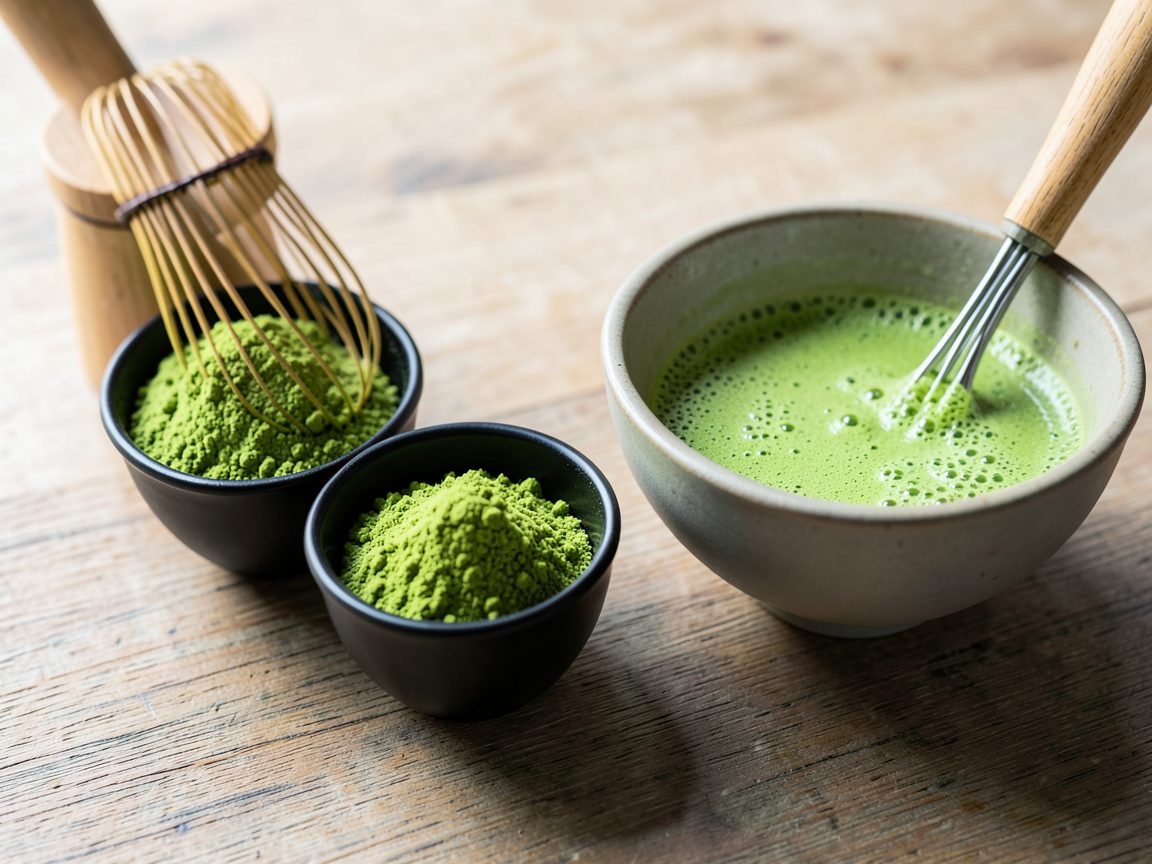
Wikipedia reports that theanine is present in black, green and white teas at about 1% of the dry weight of the leaf (and around 1–2% of dry green tea leaves). Deliberately shading tea plants from direct sunlight — as is done for matcha and gyokuro — increases L-theanine content.
Theanine may also contribute to umami (savoury) taste, which is why shade-grown teas are associated with umami flavour.
What does the evidence say?
Here is what Wikipedia reports about the scientific and regulatory position:
- In 2011, the European Food Safety Authority found there was insufficient evidence for a cause-and-effect relationship between theanine consumption and improved cognitive function, relief of psychological stress, maintenance of normal sleep, or reduction of menstrual discomfort.
- A 2025 review found that theanine has been poorly studied to date, with inconsistent research quality and unreliable clinical trials.
Theanine is a genuine and interesting part of tea's chemistry — but claims that it improves focus, stress or sleep are not established.
How it's regulated
Theanine is also sold as a dietary supplement. According to Wikipedia, Japan approved its use in foods (with restrictions for infant foods), and the US Food and Drug Administration considers it generally recognised as safe at up to 250 mg per serving. Germany's Federal Institute for Risk Assessment (BfR) objected in 2003 to adding isolated theanine to beverages, noting a lack of data.
Enjoying tea is a different thing from taking isolated theanine supplements. If you are considering supplements, speak with a health professional.