The same tea can taste wonderful or disappointing depending on how it's brewed. Three things matter most: the water temperature, the steeping time and the amount of leaf.
This guide brings together brewing guidance from Wikipedia's tea articles and the directions printed on Ceylon tea packs. Always check the instructions for your particular tea.
- Black tea (gongfu guide): 90–95 °C
- Ceylon black tea packs: usually 100 °C, 3–5 min
- Green tea: 61–87 °C, 30 s–3 min
- Oolong: 80–90 °C
- Too hot or too long: bitter, astringent tea
Brewing guidelines at a glance
| Tea | Water | Steep | Source |
|---|---|---|---|
| Ceylon black (OP) | 100 °C; 1–2 tsp per 250 ml | 3–5 min | Ceylon OP product packs |
| Black tea (gongfu style) | 90–95 °C | Short, repeated steeps | Wikipedia: Gongfu tea |
| Green tea | 61–87 °C; ~2 g per 100 ml | 30 s–3 min | Wikipedia: Green tea |
| Gunpowder green | 70–80 °C; 1 tsp per 150 ml | ~1 min | Wikipedia: Gunpowder tea |
| White tea | 75–90 °C | — | Wikipedia: Gongfu tea |
| Oolong | 80–90 °C | — | Wikipedia: Gongfu tea |
| Hibiscus | 100 °C | 3–5 min | Hibiscus product packs |
Different traditions use different methods, so the figures overlap rather than agree exactly. Use them as a starting point and adjust to taste.
Why water temperature matters
Wikipedia's green tea article explains that steeping too hot or too long releases excessive tannins, leading to a bitter, astringent brew. That is why green teas are generally brewed with water well below boiling, while black teas are usually brewed hotter. Wikipedia's sencha article also notes that higher temperatures extract more caffeine.
No thermometer?
Let boiled water stand for a few minutes before brewing green tea, or use a kettle with temperature settings.
Steep time and leaf size
Wikipedia's tea leaf grading article notes that larger leaves or pieces generally require a longer steeping time, and that if tea is measured by volume, larger leaves need more tea to give the same strength. Small broken grades and tea-bag fannings brew faster.
Bigger leaves, longer steeps; smaller pieces, faster brews.
Water and equipment
- Water quality: Wikipedia's gongfu tea article notes that water that tastes or smells bad will spoil tea, and that distilled or extremely soft water can give a "flat" brew. Clean, fresh water is a good start.
- Warm the pot: Wikipedia's green tea and gunpowder articles recommend warming the cup or teapot with hot water before brewing.
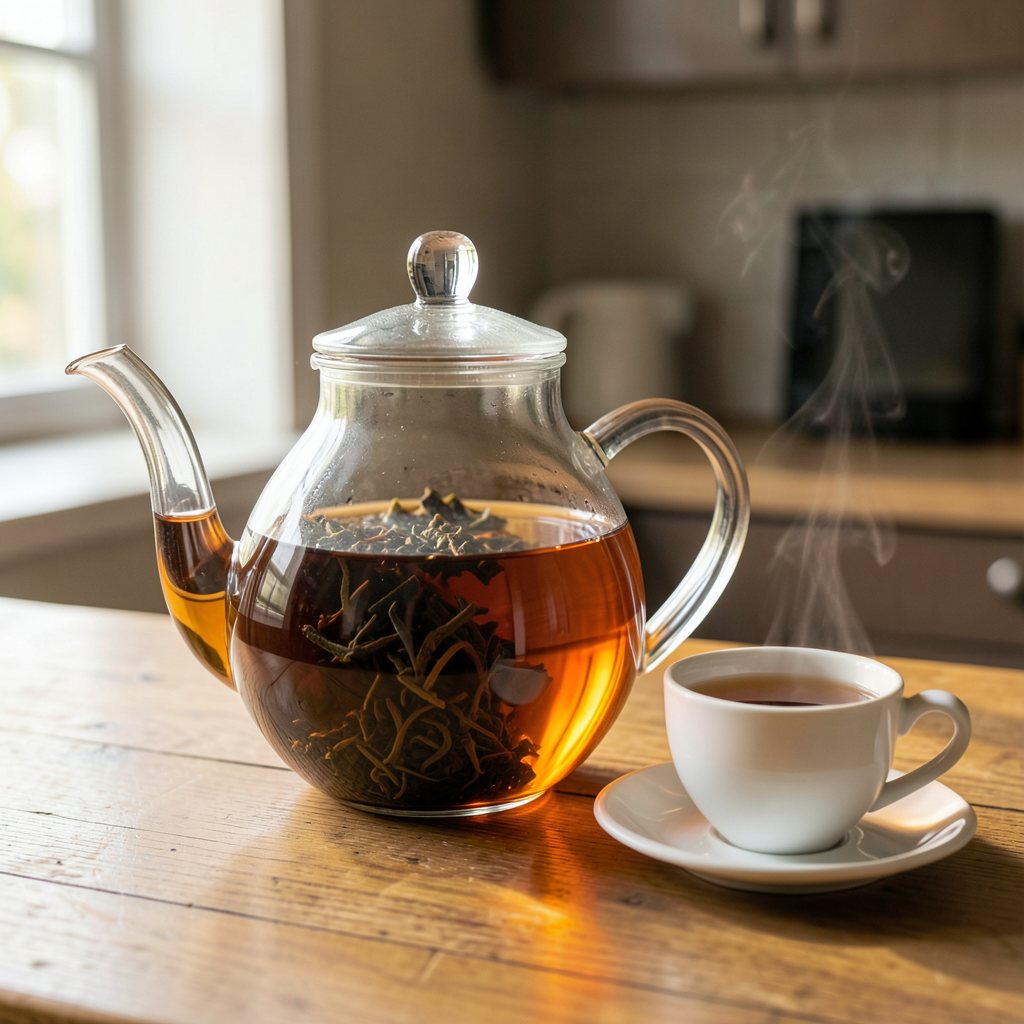
- Give leaves room: whole leaves need space to unfurl, so a teapot or a roomy infuser works well.
Milk, iced tea and cold brew
- Milk: whether to add milk first or last has been debated since at least the mid-20th century — see Tea with Milk Around the World.
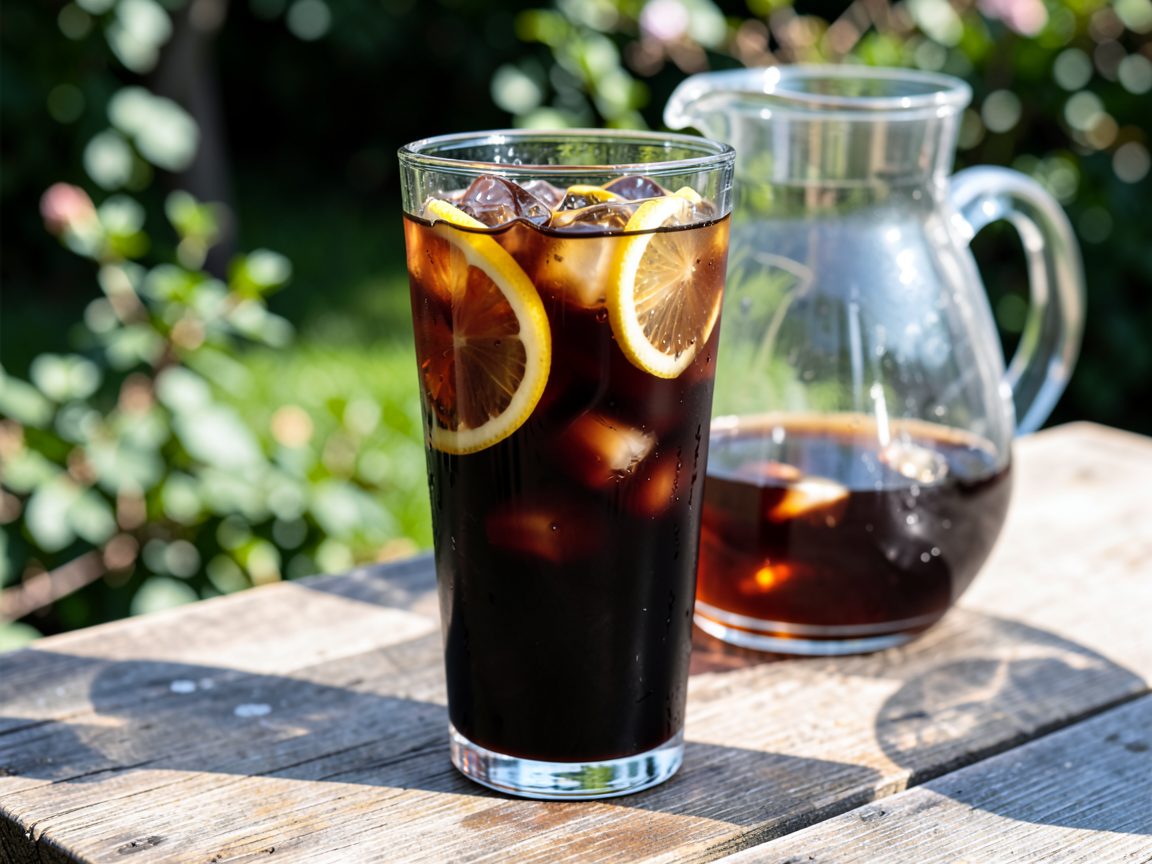
- Iced tea and cold brew: see Iced Tea & Cold Brew.
Common brewing mistakes
- Water too hot for green tea — a common cause of bitterness (Wikipedia: Green tea).
- Over-steeping — releases excessive tannins. Ceylon tea packs commonly warn "do not overbrew".
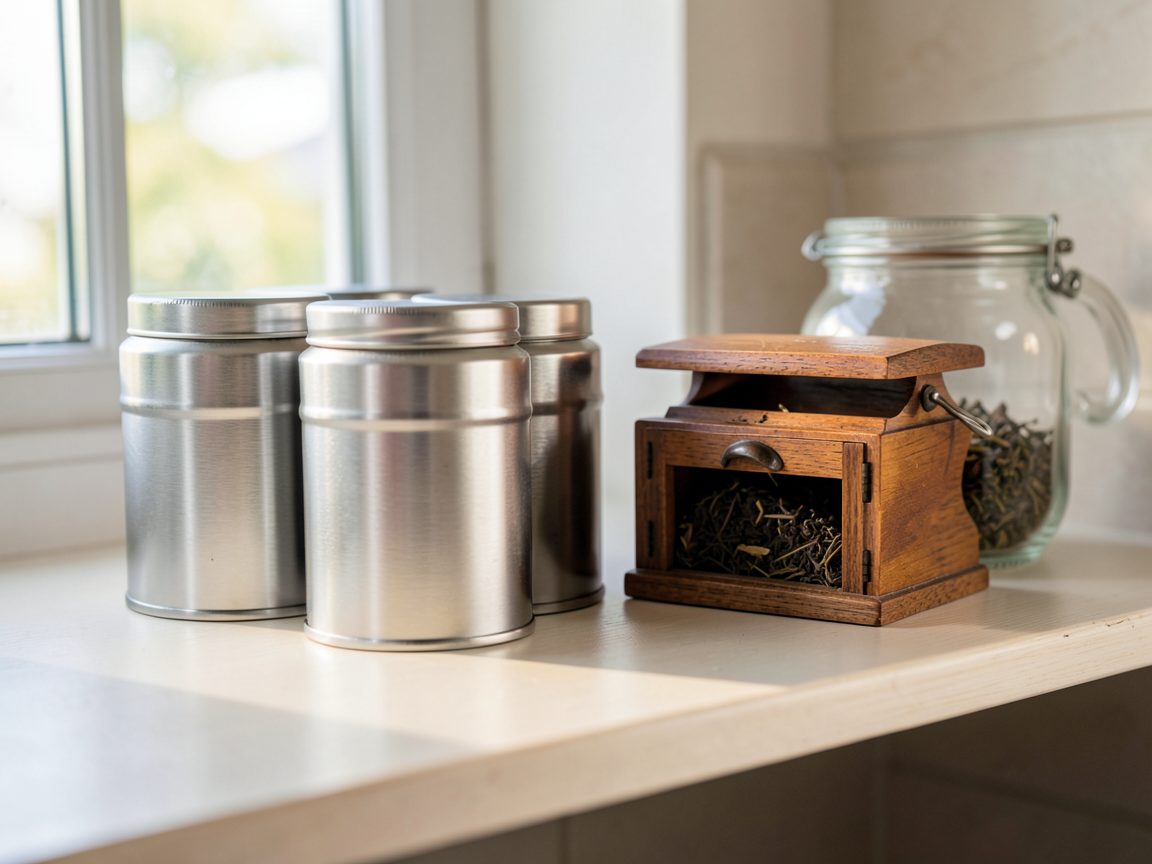
- Stale tea — store tea airtight, away from heat, light and moisture. See How to Store Tea.