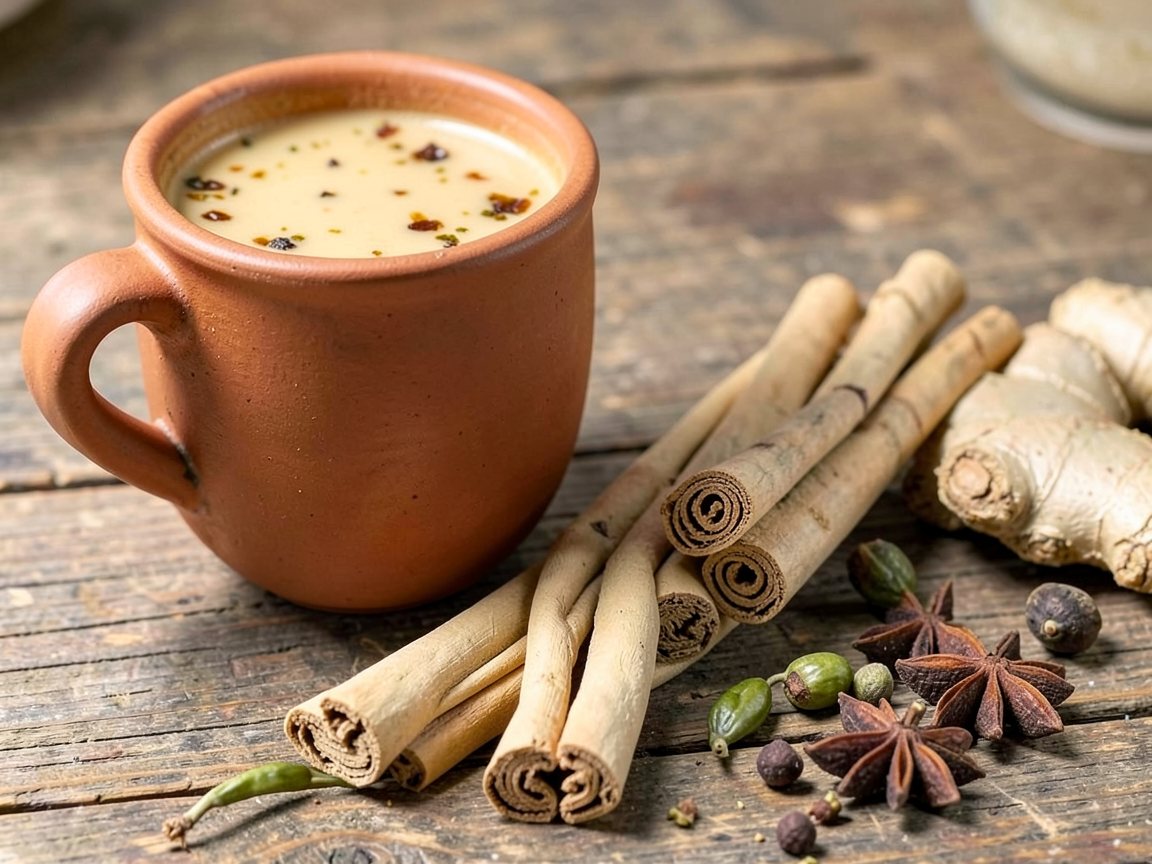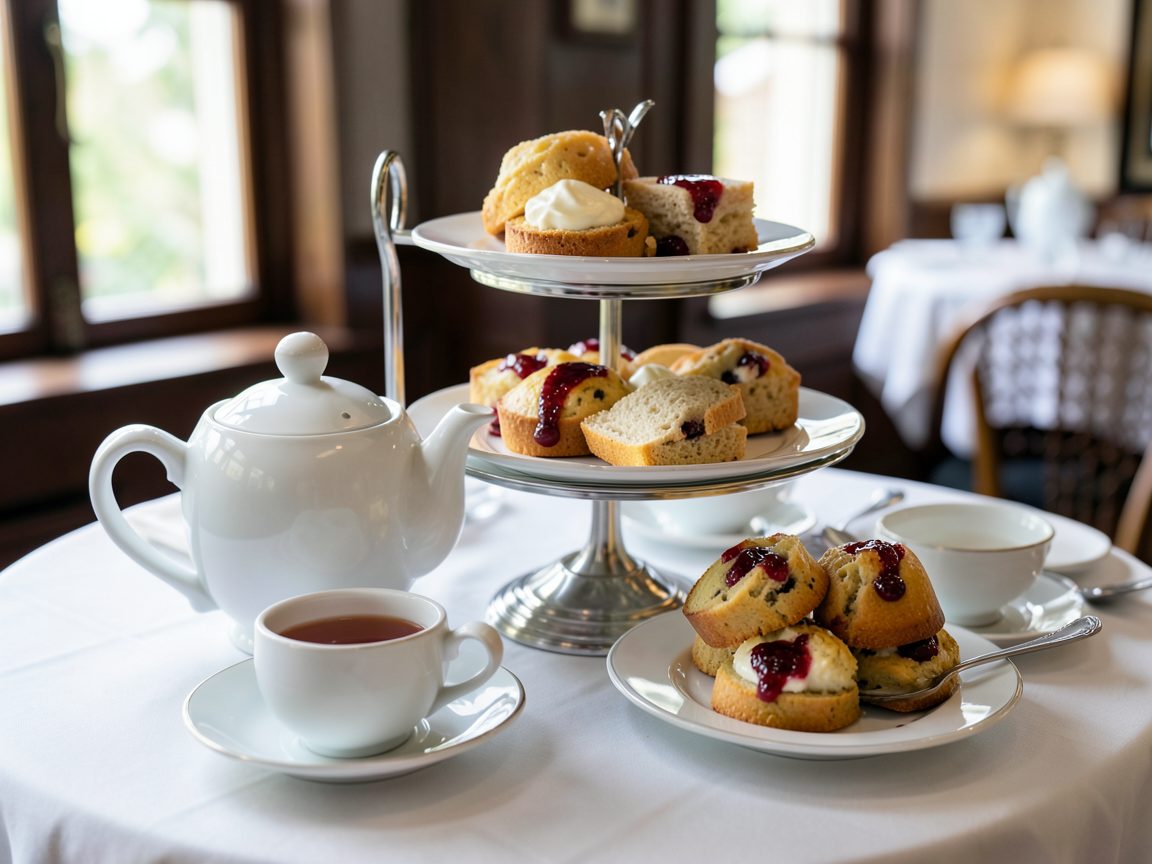
For many people, tea simply means black tea with milk. Wikipedia's article on milk tea notes it is the default way of serving tea in India and Pakistan, where it is called chai.
Here is how milk tea is enjoyed in a few different places, drawing on Wikipedia's articles on milk tea, tea culture and tea in the United Kingdom.
- Default in: India and Pakistan (as chai)
- Sri Lanka: usually milk and sugar, milk always warmed
- UK: milk and sugar common since the 1720s
- Milk first or last? debated since at least the mid-20th century
- Grassland tea: milk tea with salt
Sri Lanka
Wikipedia's tea culture article notes that in Sri Lanka black tea is usually served with milk and sugar, but the milk is always warmed. It is customary to offer a cup of tea to guests, and many working Sri Lankans have a mid-morning cup and another in the afternoon.
Britain
- Black tea overtook green tea in popularity in the 1720s, when adding sugar and milk became more common — a practice that originated outside China.
- Everyday tea, such as English breakfast tea served in a mug with milk and sugar, is a popular combination.
- Some varieties are also commonly drunk black or with lemon.
Milk first, or milk last?
Whether to put milk in the cup before or after the tea has been debated since at least the mid-20th century. George Orwell wrote about it in his 1946 essay "A Nice Cup of Tea". Wikipedia notes some studies suggest heating milk above 75 °C denatures milk proteins, and one study found adding milk first helped tea retain heat, because milk fats slow evaporation. There's no single right answer — it's a matter of taste.
India and Pakistan
Milk tea is the default in both countries. Spiced versions are known as masala chai.
Hong Kong
Wikipedia notes that Hong Kong-style milk tea grew out of British milk tea during the colonial era.
Grassland (salty) milk tea
In pastoral regions of China such as Inner Mongolia, Xinjiang and Tibet, nomadic communities make "grassland" milk tea by boiling crushed tea leaves, stirring in milk and adding salt.
Which teas suit milk?
Strong, full-bodied black teas are the usual choice for milk. The Sri Lanka Tea Board describes Ceylon's low-grown Sabaragamuwa and Ruhuna teas as strong and full-bodied, and Kandy teas as robust — see Ceylon Tea Regions Explained. Lighter teas are often enjoyed black.