"Herbal tea" is a familiar phrase, but technically these drinks aren't tea at all. Wikipedia's article on herbal tea defines them as beverages made from the infusion or decoction of herbs, spices or other plant material — anything except tea leaves.
- Herbal tea: an infusion of any plant except the tea plant
- Also called: tisane
- Caffeine: most contain none — but mate and guayusa do
- Made from: flowers, fruit, leaves, seeds, roots or bark
- Safety: some herbs interact with medicines
Herbal tea vs "true" tea
True teas — black, green, white, yellow and oolong — come from Camellia sinensis (see The Tea Plant). Herbal teas, technically known as herbal infusions or tisanes, come from other plants. Blended teas such as jasmine tea or Earl Grey contain true tea with other plant material added.
Where does "tisane" come from?
Wikipedia traces "tisane" through French and Latin to the Ancient Greek ptisánē, meaning peeled (pearl) barley — and a drink made from it, similar to barley water. In its modern sense, the word was borrowed from French in the 20th century.
What herbal teas are made from
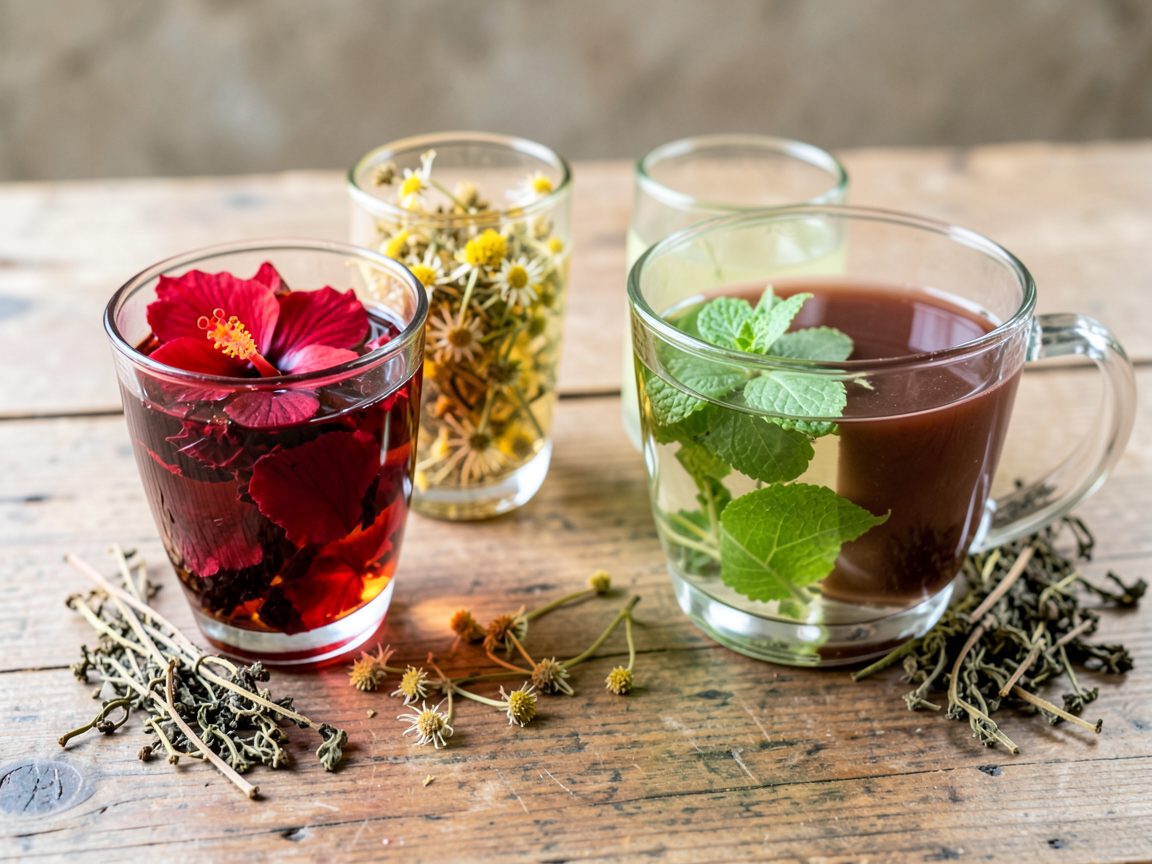
Herbal teas can be made from any part of a plant — fresh or dried flowers, fruit, leaves, stems, seeds or roots — either raw or processed by drying, roasting, crushing or steaming. They can be infused in hot or boiling water, or brewed with cold water, which takes much longer.
Popular examples
| Herbal tea | Plant part | Notes (Wikipedia) |
|---|---|---|
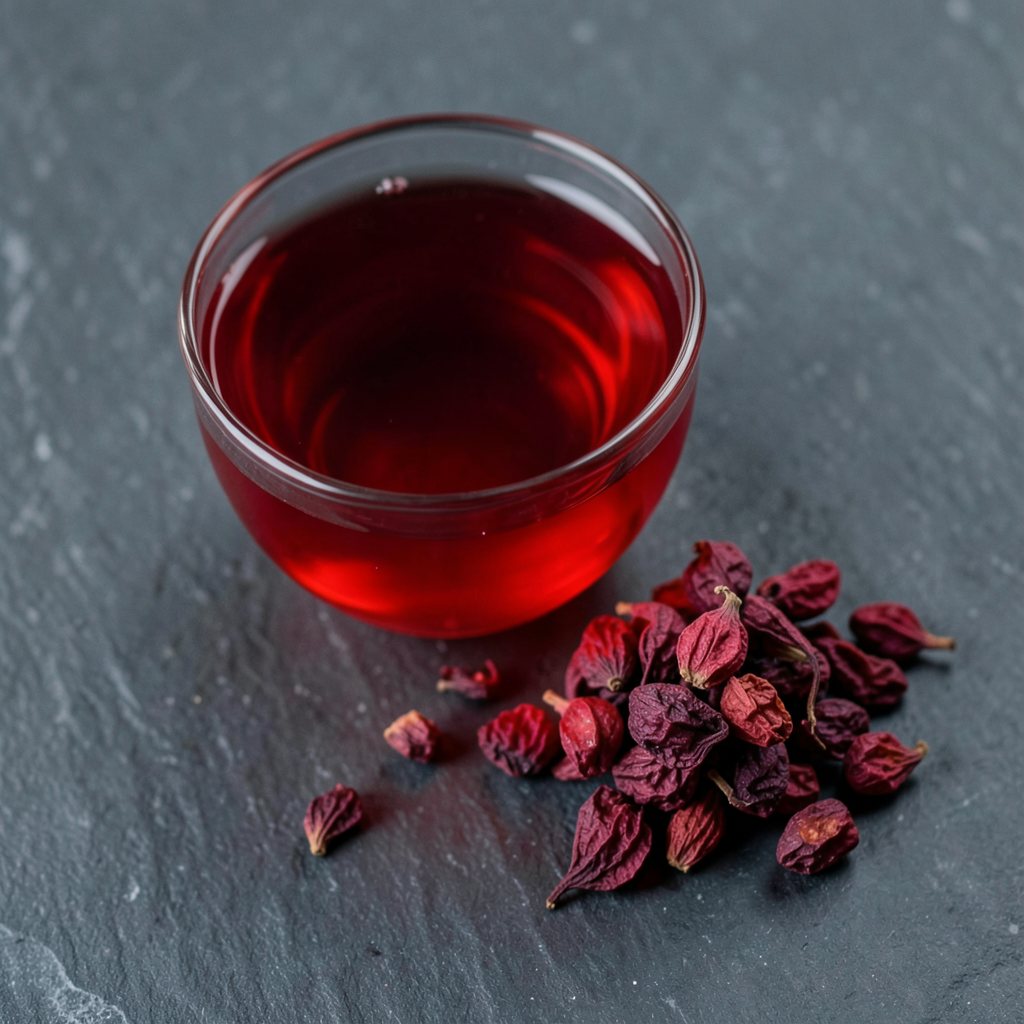
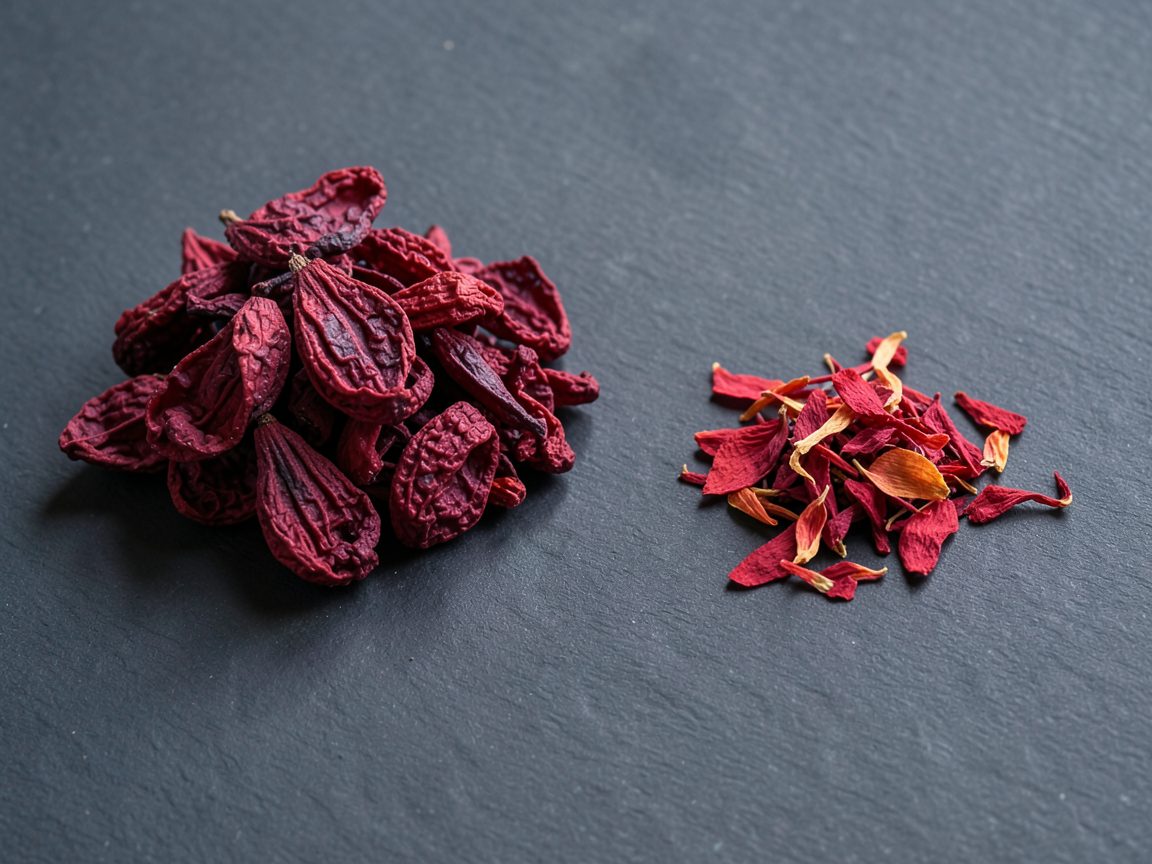
| Hibiscus | Calyces of Hibiscus sabdariffa | Tart, cranberry-like; known as rosella in Australia |
| Rooibos | Leaves of Aspalathus linearis | Caffeine-free; from South Africa's Cederberg region |
| Chamomile | Flowers of daisy-like plants | See safety notes below |
| Peppermint | Leaves of Mentha × piperita | A hybrid of watermint and spearmint |
| Cinnamon | Inner bark of Cinnamomum species | Often blended with black tea — check labels |
Do herbal teas contain caffeine?
Unlike true teas, most herbal teas do not naturally contain caffeine. Wikipedia notes a few exceptions made from caffeinated plants, including yerba mate, guayusa, yaupon and guarana. See Caffeine-Free Teas for the Evening.
Safety notes
"Natural" does not always mean harmless. Wikipedia notes that some herbal teas contain psychoactive compounds, and gives examples of safety concerns:
- Chamomile: there is no clinical evidence it treats any disease; it may interact with various herbs and drugs, worsen pollen allergies, and is not recommended with anticoagulants or for people with hormone-sensitive conditions. Roman chamomile should not be used during pregnancy (Wikipedia: Chamomile).
- Comfrey: contains alkaloids that may harm the liver and is not recommended for oral use.