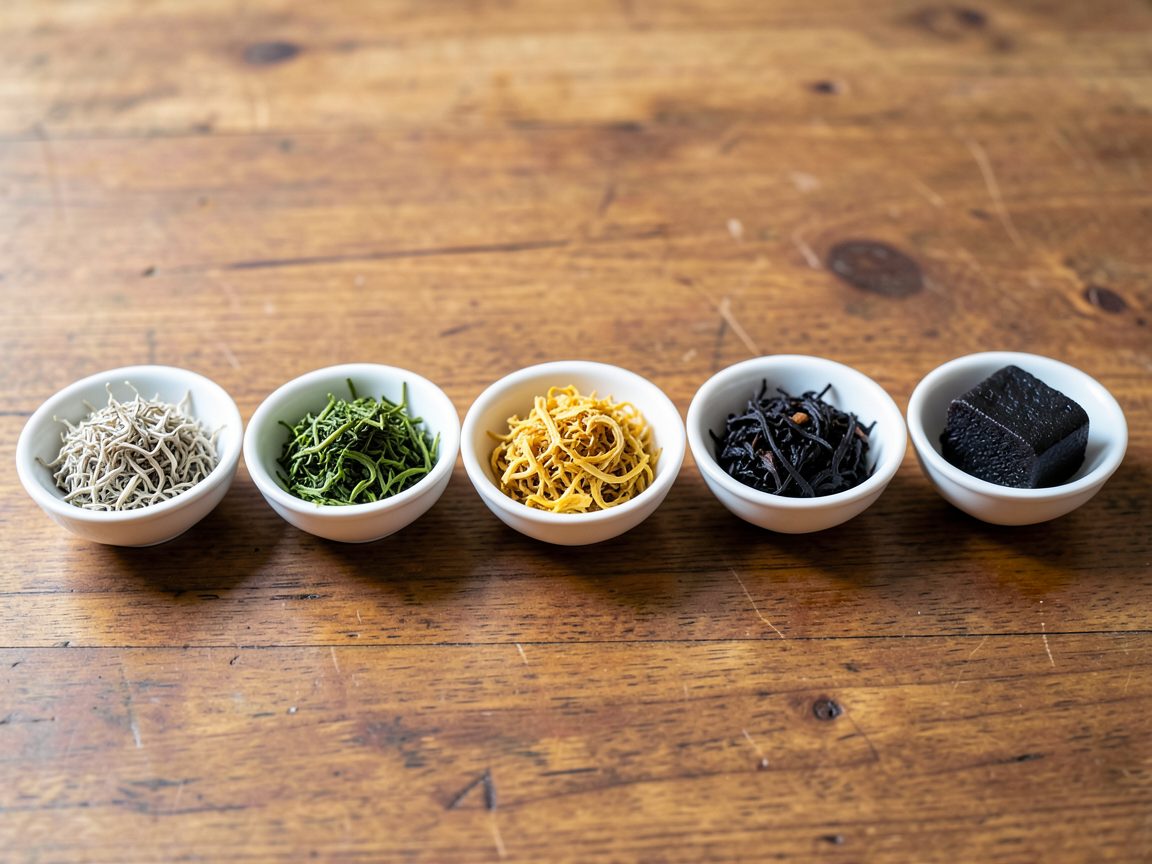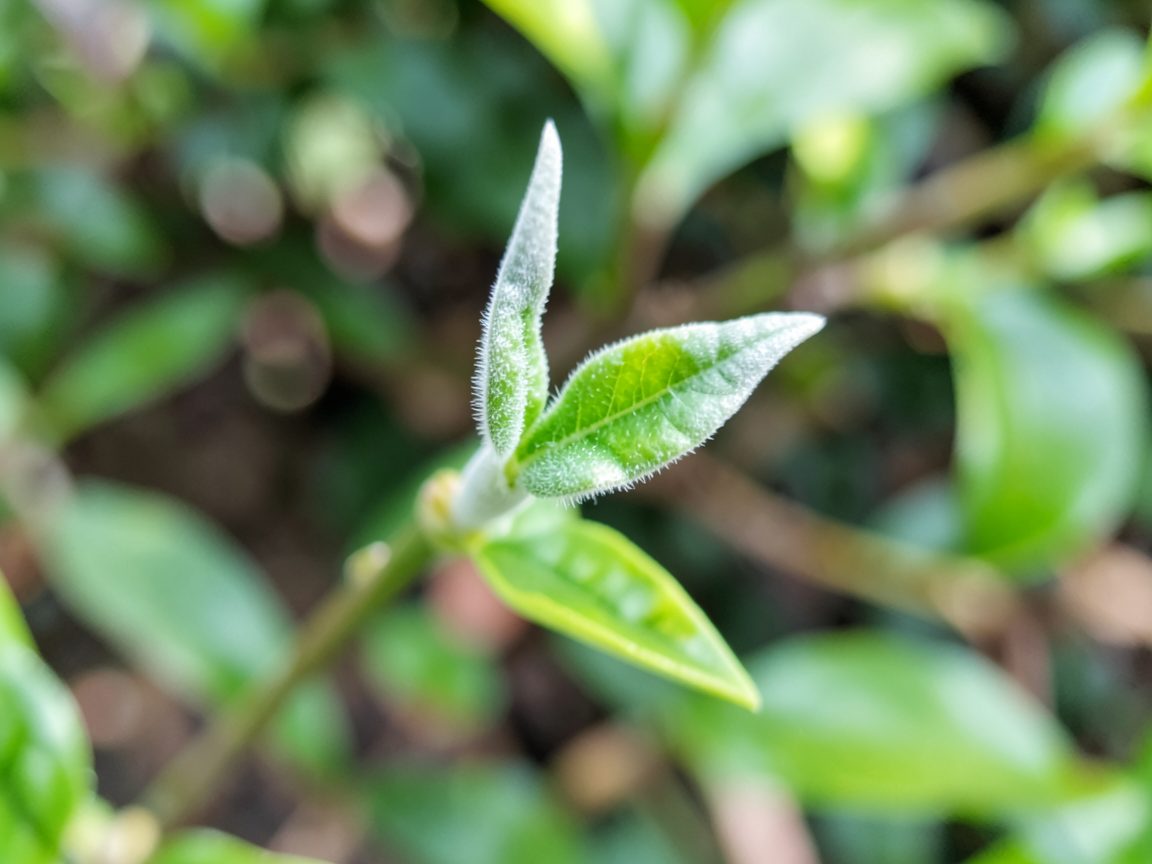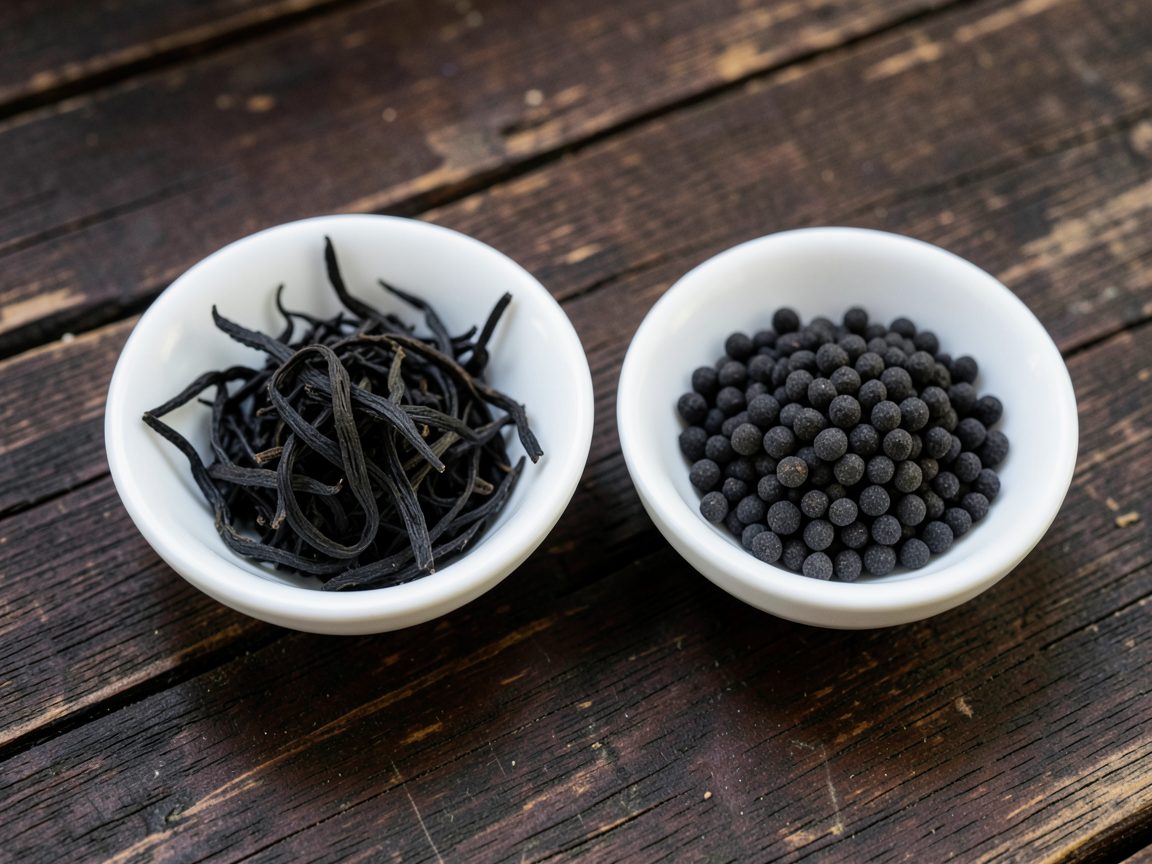
It surprises many people to learn that black tea, green tea, white tea and oolong are not made from different plants. They all come from one species: Camellia sinensis.
What makes them different is how the leaves are processed after picking. This guide looks at the plant itself — where it comes from, its main varieties and how it is cultivated — drawing on the Wikipedia article on Camellia sinensis.
- Species: Camellia sinensis, family Theaceae
- Main varieties: var. sinensis and var. assamica
- Native to: highlands between south-west China, northern Myanmar and north-east India
- On plantations: usually trimmed to about 1 m
- Productive life: can exceed a century
What is Camellia sinensis?
Camellia sinensis is an evergreen shrub in the flowering plant family Theaceae. It is commonly called the tea plant, tea shrub or tea tree. According to Wikipedia, it is originally native to the highlands of the region between south-western China, northern Myanmar and north-eastern India, and is now cultivated as a cash crop in many parts of the world.
The name sinensis means "from China" in Botanical Latin. The genus name Camellia honours Georg Kamel (1661–1706), a Jesuit pharmacist and missionary.
The two main varieties
Wikipedia notes that five varieties of C. sinensis are accepted, but the bulk of the world's tea comes from two:
| Variety | Common name | Notes |
|---|---|---|
| C. sinensis var. sinensis | Chinese (small-leaf) tea | Used for most types of tea |
| C. sinensis var. assamica | Assam (large-leaf) tea | Traditionally used mainly for black tea |
Sri Lanka's varied climate and elevations allow both varieties to be grown, with assamica accounting for the majority of production, according to Wikipedia's article on tea production in Sri Lanka.
What the plant looks like
- Size: a woody shrub or tree typically 1–5 m tall, but it can reach 20 m. On commercial plantations it is usually trimmed to about 1 m with a flat top.
- Leaves: leathery and elliptic, 4–22 cm long, shiny dark green on top with finely toothed edges.
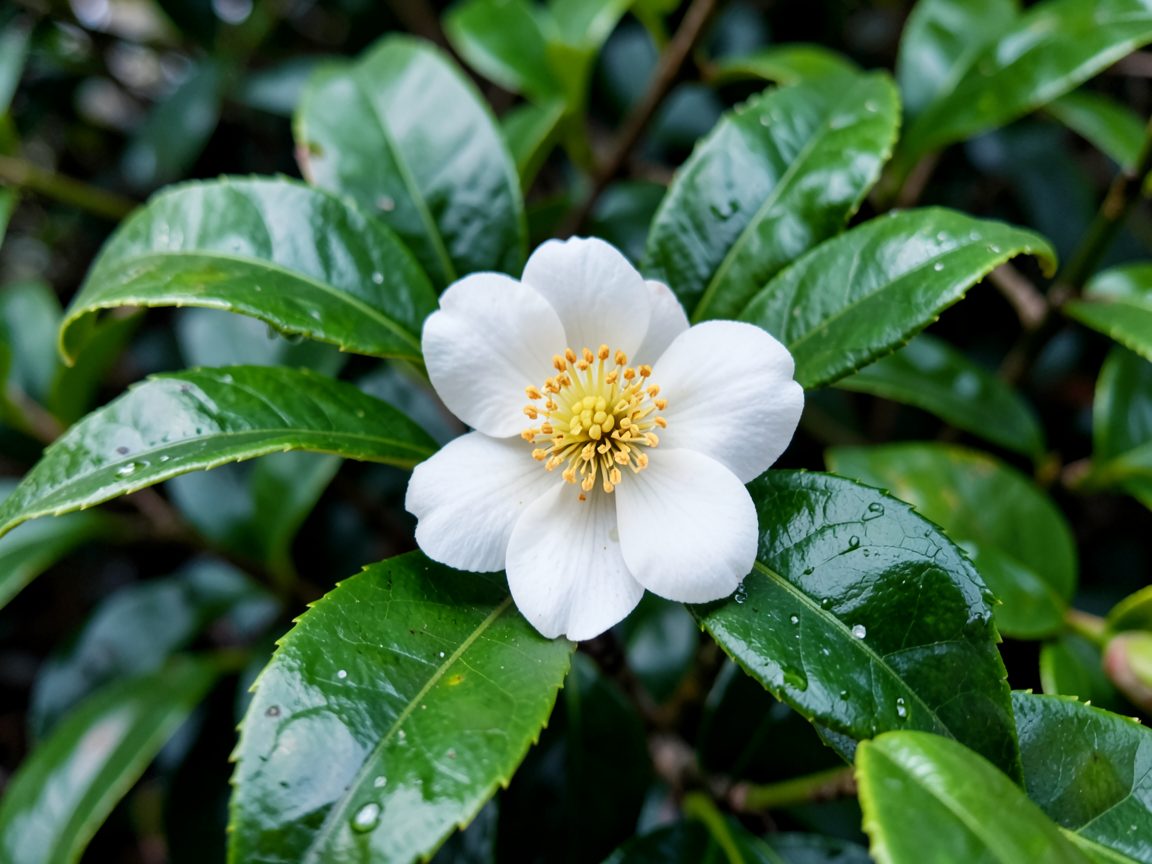
- Flowers: white, 2.5–3.5 cm across, with six to eight petals.
- Lifespan: tea bushes reach peak productivity at 30 to 50 years of age but can remain productive for over a century.
One plant, many teas
White, yellow, green, oolong, dark and black teas are all made from the leaves of this plant, processed differently to reach different levels of oxidation. Black tea is the most oxidised and white tea the least. We explain each style in The Types of Tea Explained.
The difference between a green tea and a black tea isn't the plant — it's what happens to the leaf after it is picked.
What about herbal "teas"?
Infusions such as hibiscus, chamomile or peppermint are not made from Camellia sinensis, so technically they are not tea at all. Wikipedia describes them as herbal infusions or tisanes. Read more in What Is Herbal Tea?