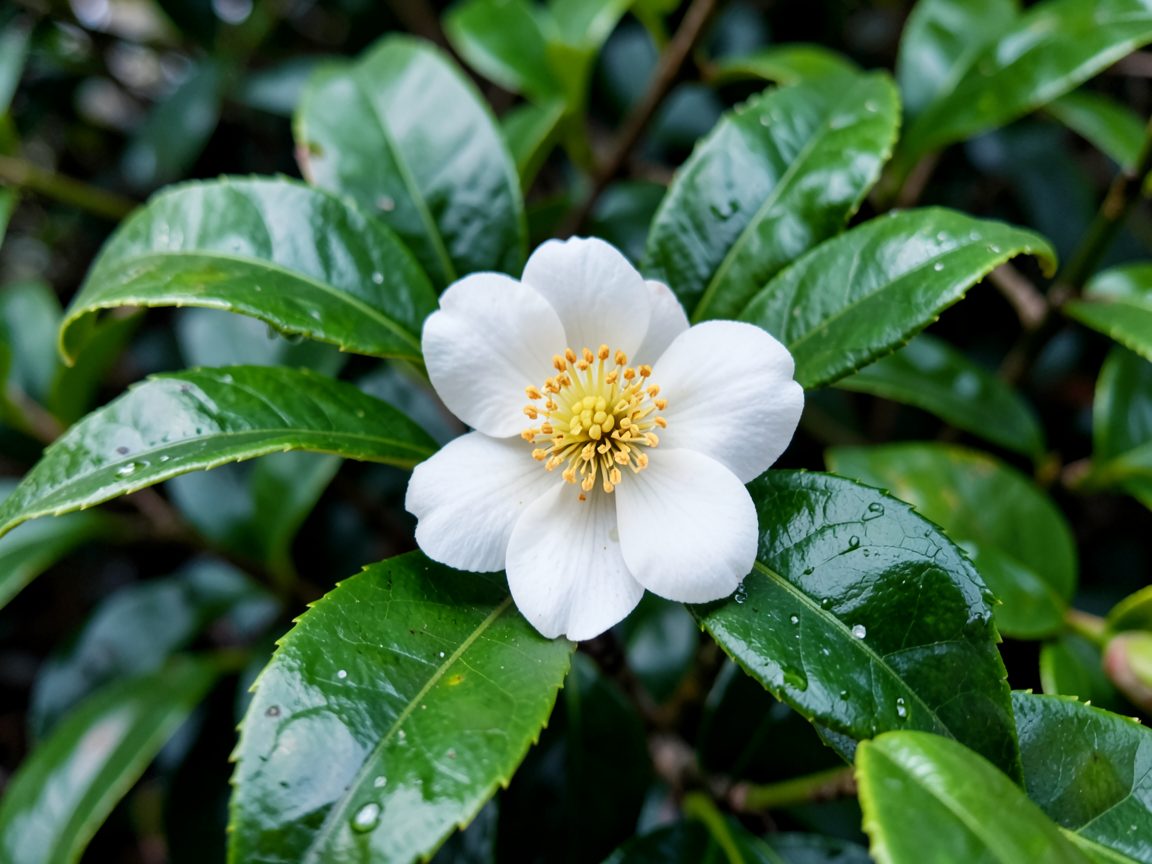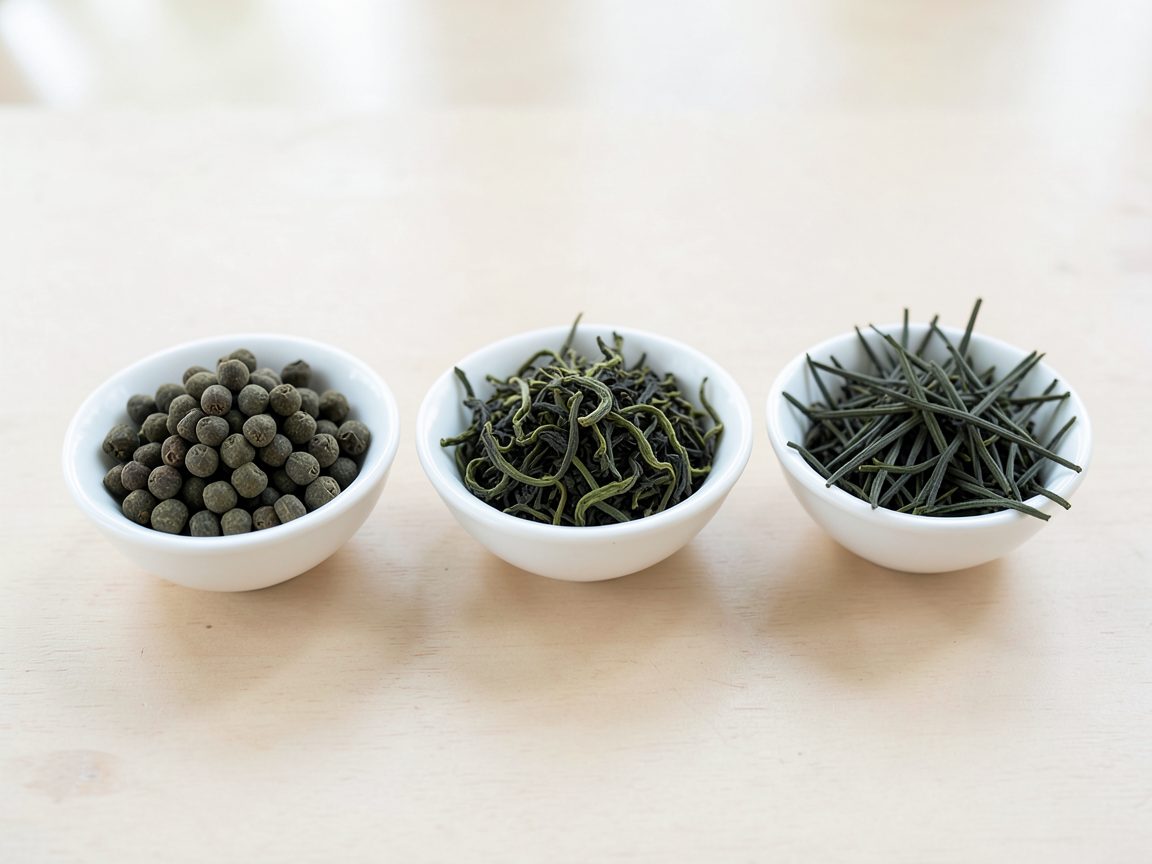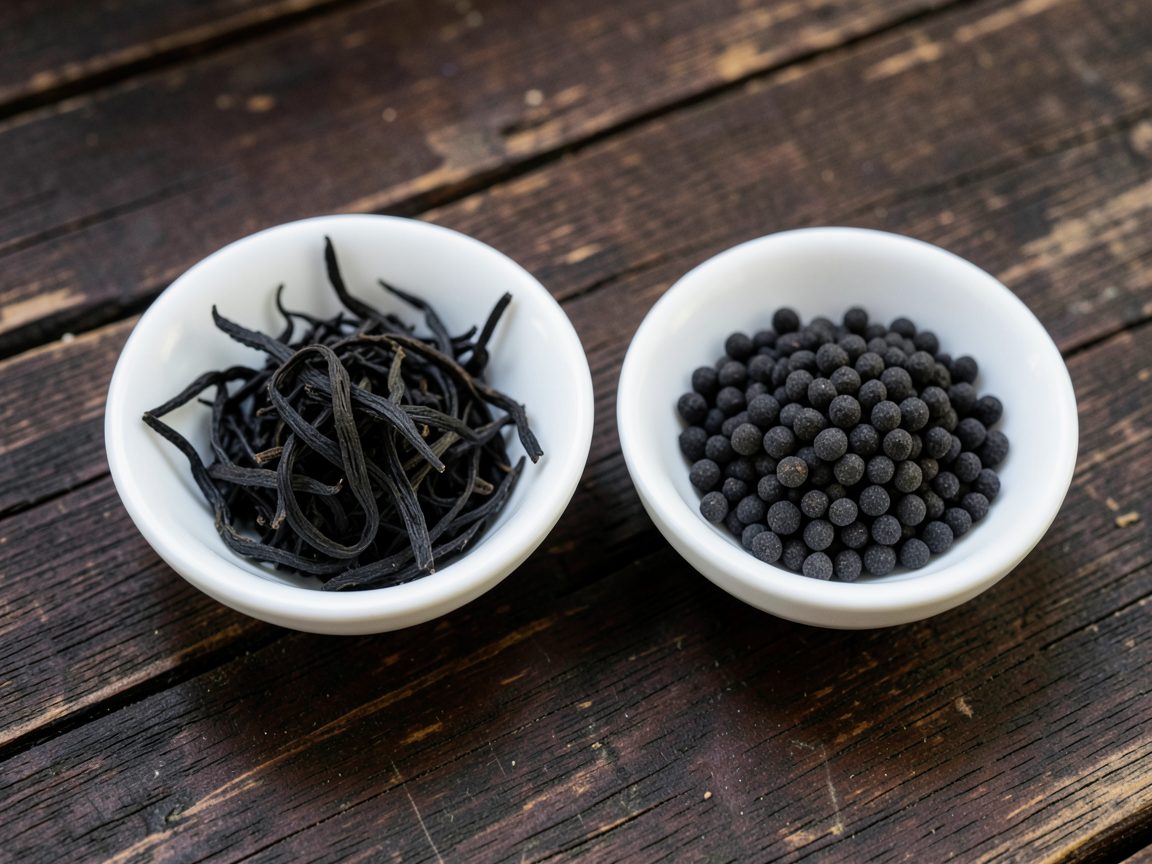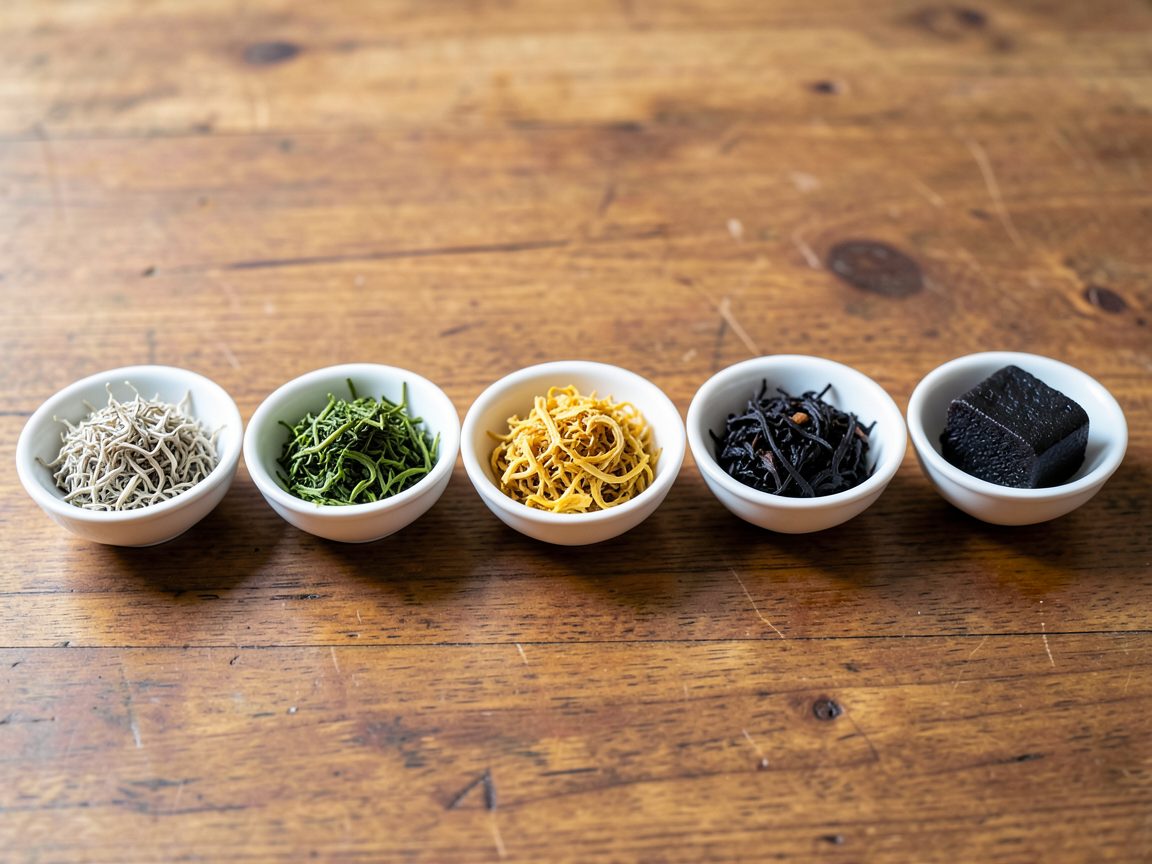
Walk into any tea shop and you'll see shelves of "white", "green", "oolong" and "black" tea. They look and taste very different — yet every one of them comes from the leaves of Camellia sinensis.
The key difference, according to Wikipedia's article on tea processing, is how the leaves are oxidised, how that oxidation is stopped, and how the tea is shaped and dried.
- One plant: all are made from Camellia sinensis
- Least oxidised: white tea
- Most oxidised: black tea
- Oolong: oxidation of 8–85%
- Dark tea: microbially fermented, e.g. pu'er
Oxidation: the key to tea types
Once a tea leaf is picked and bruised, enzymes in the leaf react with oxygen and the leaf gradually darkens. In the tea trade this is often called "fermentation", but Wikipedia's article on black tea notes this is a misnomer — it is oxidation, driven by the enzyme polyphenol oxidase.
Tea makers control oxidation. Stopping it early — usually by heating the leaf — keeps it green. Letting it run its course produces black tea.
The six main types at a glance
| Type | Oxidation | How it's made (in brief) |
|---|---|---|
| White | Very low | Young buds and leaves, generally not rolled or oxidised; withered and dried |
| Green | Low | Heated (steamed or pan-fired) soon after picking to stop oxidation |
| Yellow | Light | Like green tea, with an extra "sweltering" step that yellows the leaf |
| Oolong | Partial (8–85%) | Withered, partly oxidised, then curled or rolled |
| Black | Full | Withered, rolled or cut, then fully oxidised and dried |
| Dark (fermented) | Varies | Undergoes genuine microbial fermentation, sometimes for years |
White tea
Wikipedia's article on white tea notes there is no universally accepted definition, but most agree white tea is not rolled or oxidised. Its name comes from the fine silvery-white hairs on unopened buds. It is produced mainly in China's Fujian province, and more recently in places including Galle in southern Sri Lanka.
Green tea
Green tea is made from leaves that have not undergone the withering and oxidation that create oolong and black teas (Wikipedia: Green tea). Japanese green teas are usually steamed, while many Chinese green teas are pan-fired. See Green Tea Types.
Yellow tea
Yellow tea is rare and expensive. It is made like green tea with an added step of "encasing" or "sweltering" that gives the leaves a slightly yellow colour (Wikipedia: Yellow tea).
Oolong
Oolong is a traditional semi-oxidised Chinese tea. Wikipedia's oolong article gives an oxidation range of 8% to 85% depending on variety and style. Its name means "black dragon" tea.
Black tea
Black tea is more oxidised than the other types and is generally stronger in flavour. In Chinese it is called hong cha, "red tea", after the colour of the oxidised leaves. It can be made by the orthodox method or by CTC (crush, tear, curl) — see Orthodox vs CTC.
Dark (fermented) tea
Dark tea undergoes real microbial fermentation, from several months to many years. The best known is pu'er from Yunnan province (Wikipedia: Fermented tea).
How long do they keep?
Wikipedia's black tea article notes that green tea usually loses its flavour within a year, while black tea retains its flavour for several years — one reason black tea became such an important trade good. See How to Store Tea.