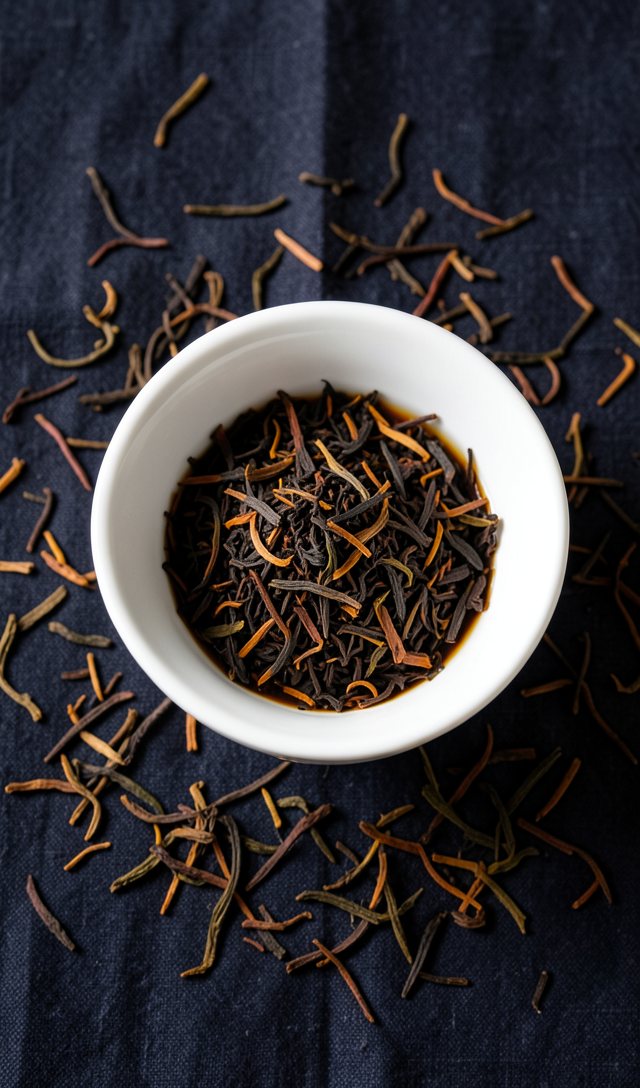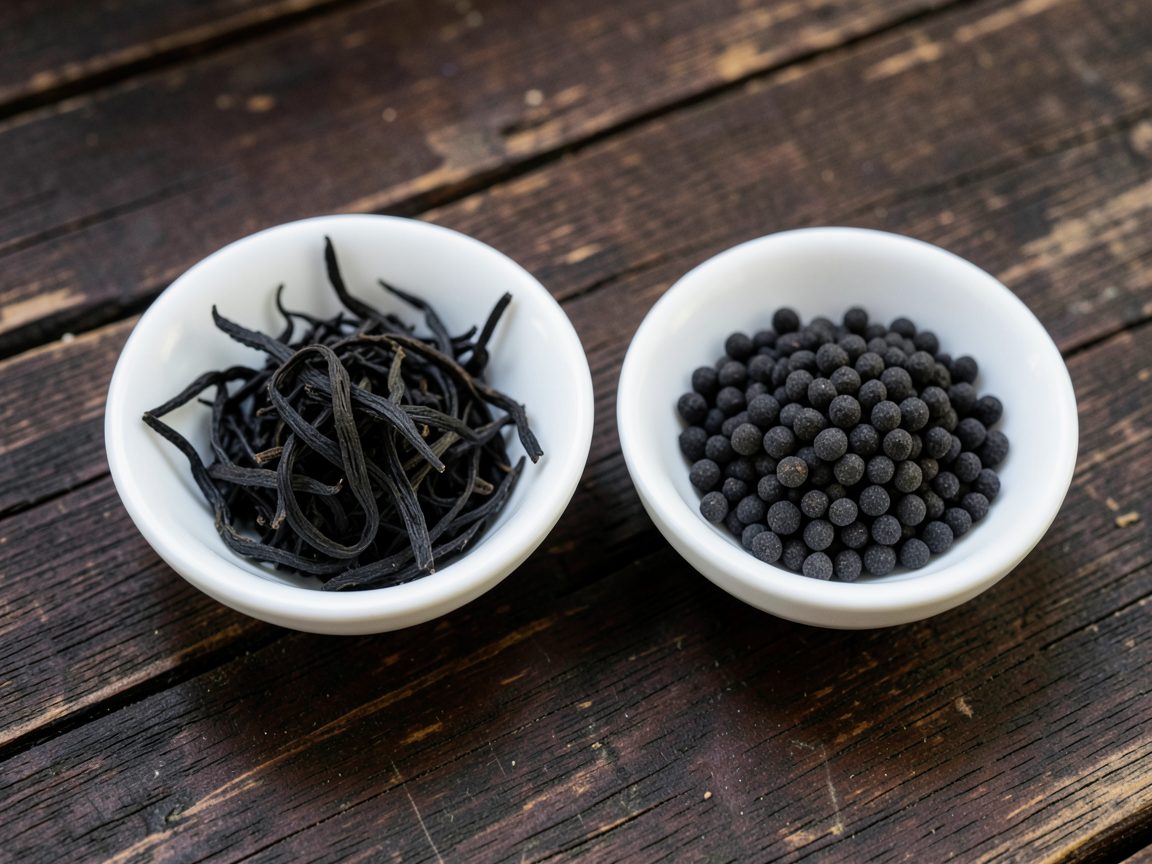
Look closely at two black teas and you may see two very different shapes: long, twisted leaves, or tiny round granules. Those shapes come from two different manufacturing methods — orthodox and CTC.
Both start the same way, by withering freshly picked leaves. The difference is how the leaf is broken up before oxidation, as described in Wikipedia's articles on black tea and crush, tear, curl.
- Orthodox: leaves rolled into strips
- CTC: leaves crushed, torn and curled into pellets
- First CTC machine: 1930, Assam
- Sri Lanka: primarily orthodox; CTC introduced in 1983
- CTC use: well suited to tea bags
The orthodox method
In orthodox processing, the withered leaves are heavily rolled, by hand or by machine — traditionally on a ridged rolling table. This produces a mixture of whole and broken leaves and particles, which are then sorted, oxidised and dried.
Wikipedia notes that hand processing is used for high-quality teas, and that orthodox processing produces the loose teas sought by many connoisseurs. Because whole and broken orthodox leaves look quite different from one another, they are also harder to adulterate.
The CTC method
CTC stands for "crush, tear, curl" (sometimes "cut, tear, curl"). The leaves pass through cylindrical rollers with hundreds of sharp teeth that crush, tear and curl the tea into small, hard pellets. According to Wikipedia:
- The first CTC machine came into service in 1930 at the Amgoorie Tea Garden in Assam, under William McKercher.
- It spread rapidly from 1950 onwards, especially in India and Africa.
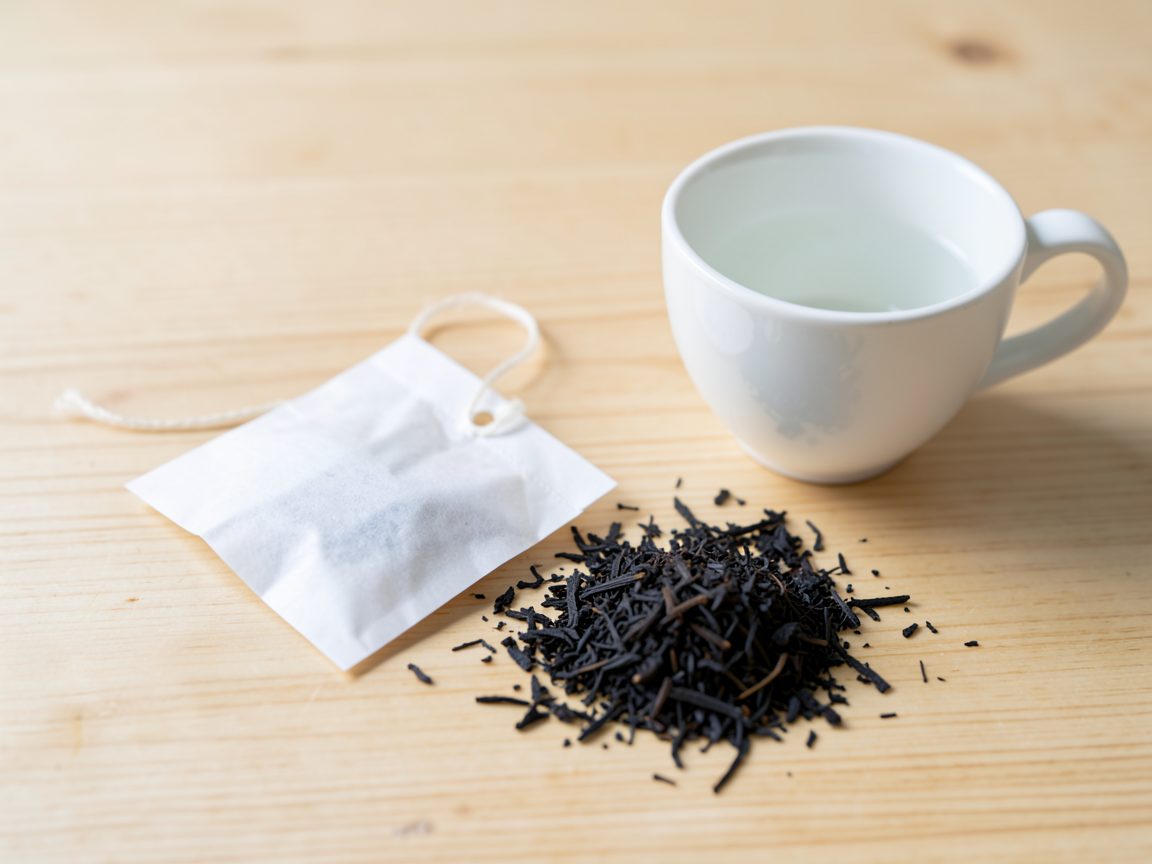
- CTC tea quickly gives a dark brew, which makes it well suited to tea bags.
- In the Indian domestic market, over 80% of tea production is CTC.
Side by side
| Orthodox | CTC | |
|---|---|---|
| Leaf shape | Rolled strips; whole and broken leaf | Small, hard, uniform pellets |
| Brewing | Varies by grade; whole leaf brews more slowly | Brews quickly to a dark colour |
| Typical use | Loose-leaf and graded teas | Tea bags and strong everyday tea |
| Grading | Orange Pekoe system (OP, BOP, etc.) | Its own grading system |
What about Ceylon tea?
Wikipedia's article on tea production in Sri Lanka states that the country produces primarily orthodox black teas, as well as CTC, white and green teas. The Sri Lanka Tea Board's history timeline records that the CTC method was introduced in Sri Lanka in 1983.
Orthodox teas are graded by leaf size using terms like Orange Pekoe and Broken Orange Pekoe. Learn more in What is Orange Pekoe Tea?