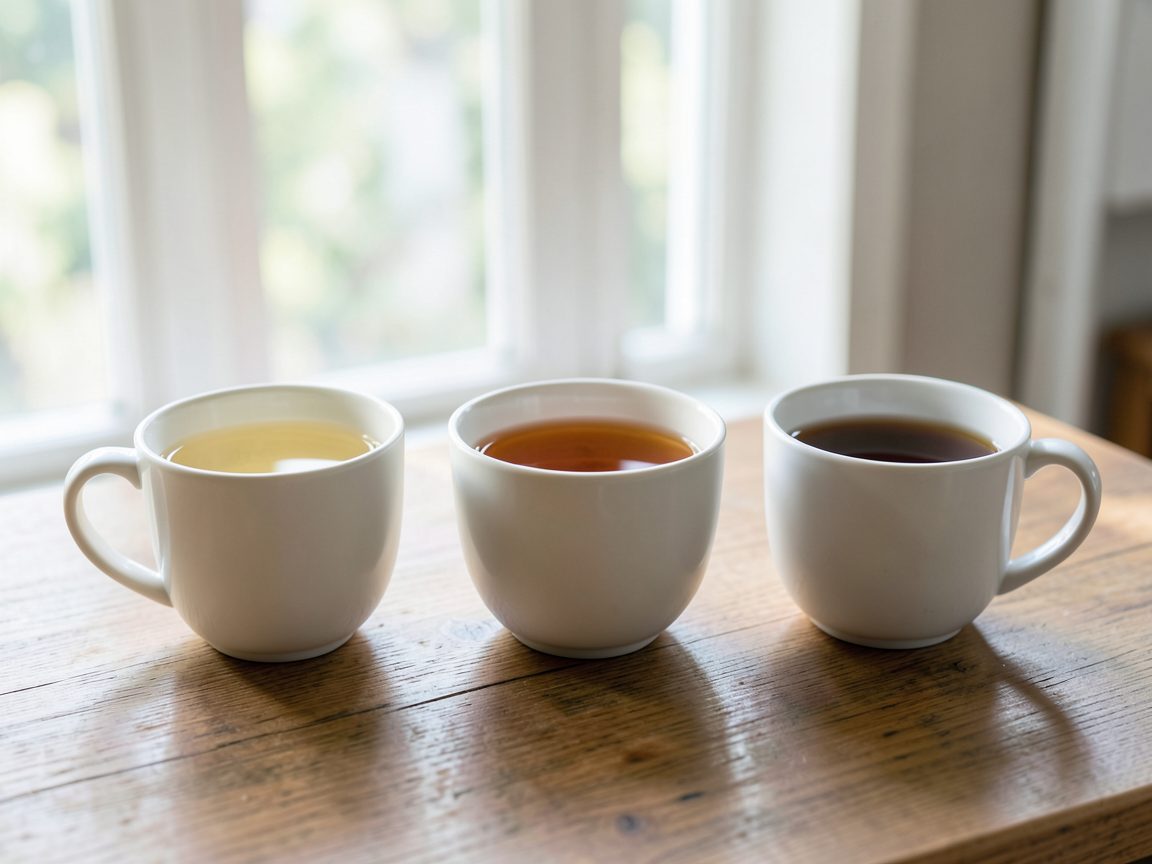
True tea — black, green, white or oolong — contains caffeine. If you'd rather avoid it in the evening, herbal infusions are the usual alternative.
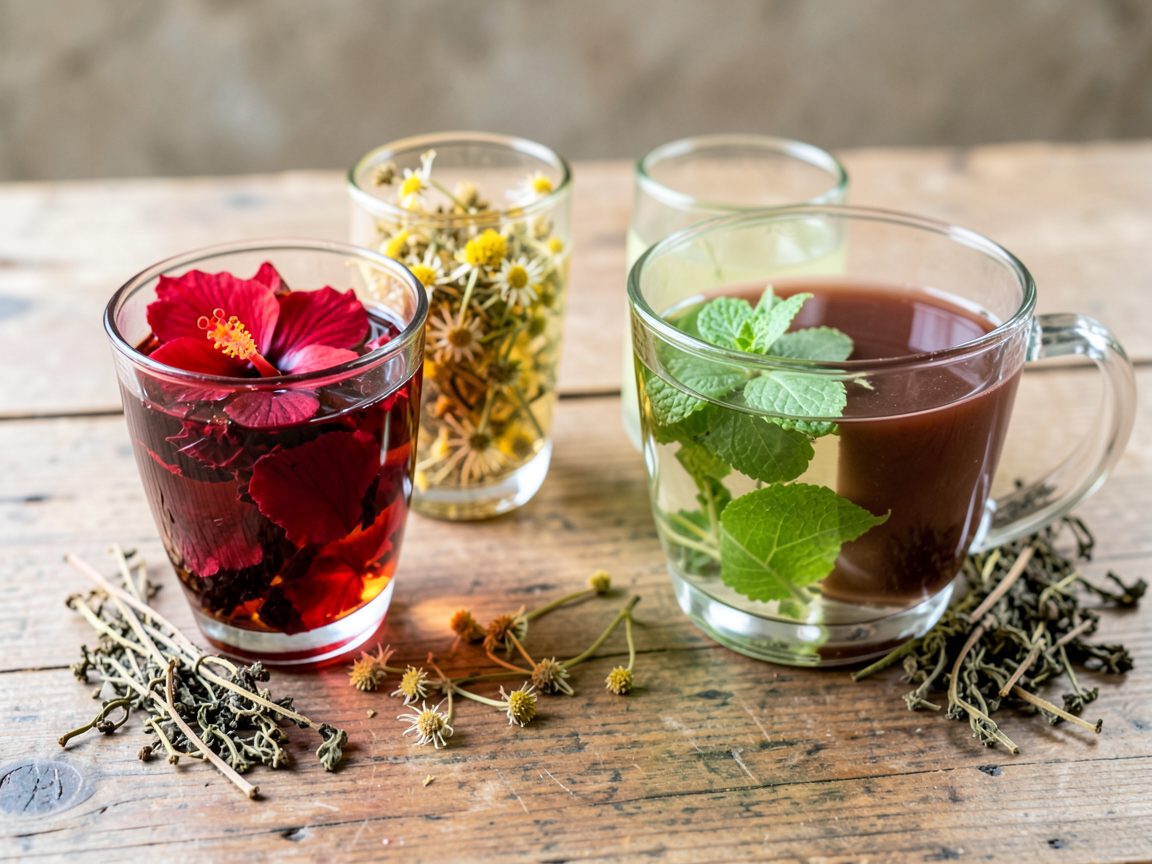
Wikipedia's article on herbal tea notes that, unlike true teas, most herbal teas do not naturally contain caffeine. Here are some well-known options.
- Most herbal teas: no caffeine
- Caffeinated "herbal" teas: mate, guayusa, yaupon, guarana
- Rooibos: caffeine-free (Wikipedia)
- Flavoured black teas: still contain caffeine
- Decaffeinated tea: processed to remove caffeine
Caffeine-free options
| Infusion | From | Notes |
|---|---|---|
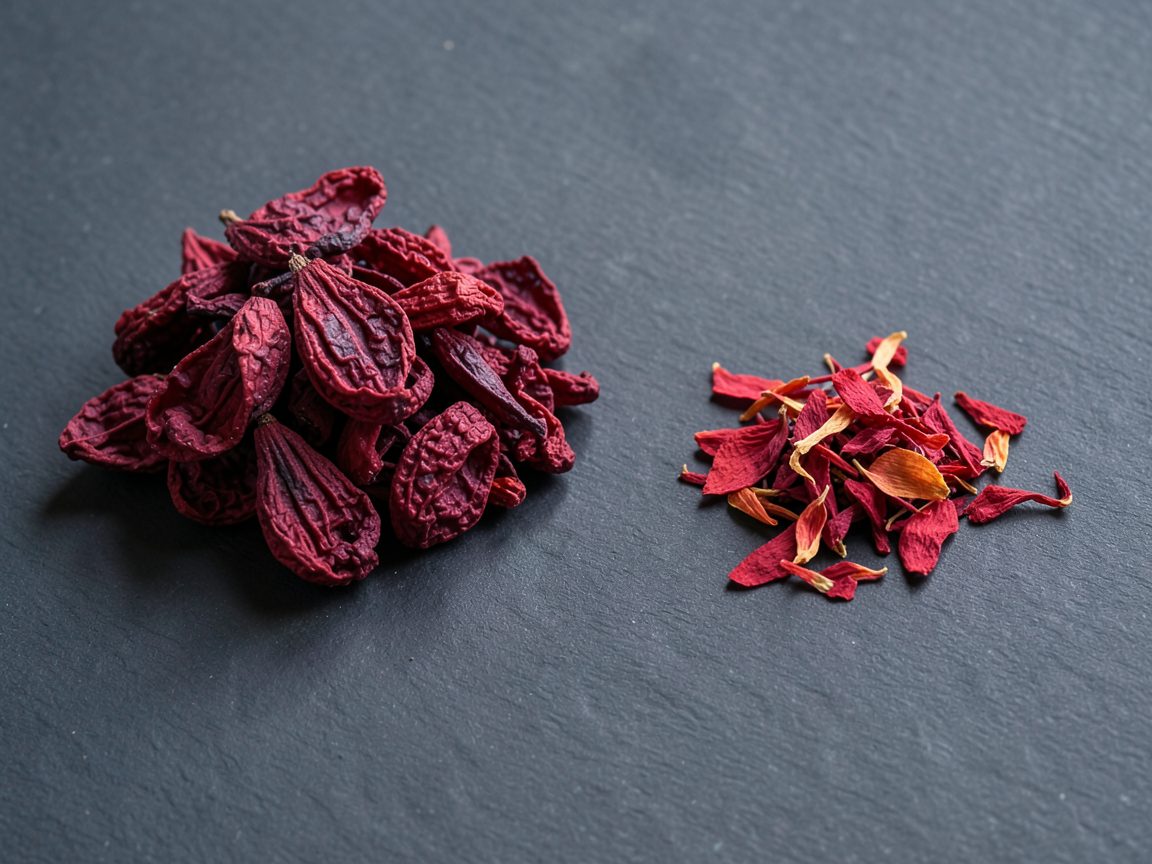
| Hibiscus | Roselle calyces | Tart and fruity; hot or iced. See the caution in our hibiscus article |
| Rooibos | South African "red bush" | Wikipedia states rooibos does not contain caffeine |
| Ceylon cinnamon | Cinnamon bark | A pure cinnamon infusion has no tea leaves — but many cinnamon tea bags are blended with black tea |
| Peppermint | Mint leaves | A hybrid of watermint and spearmint |
| Chamomile | Daisy-like flowers | Wikipedia lists several cautions, including interactions and pregnancy |
"Herbal" teas that do contain caffeine
Wikipedia lists several herbal infusions made from caffeinated plants:
- Yerba mate — a South American holly.
- Guayusa — from the Amazon.
- Yaupon — a North American holly.
- Guarana — Wikipedia notes guarana seeds contain more than three times the caffeine of coffee.
Watch the blends
Flavoured teas such as Earl Grey, cardamom tea and many cinnamon tea bags use a black tea base — so they contain caffeine. Check the ingredients for "tea" or "Camellia sinensis". For caffeine figures, see Caffeine in Tea.
A simple cinnamon infusion
For a caffeine-free cinnamon drink, simmer a Ceylon cinnamon quill in water — a use listed on Ceylon cinnamon product packs. See Ceylon Cinnamon Tea for more, including why Ceylon cinnamon is preferred over cassia for regular use.