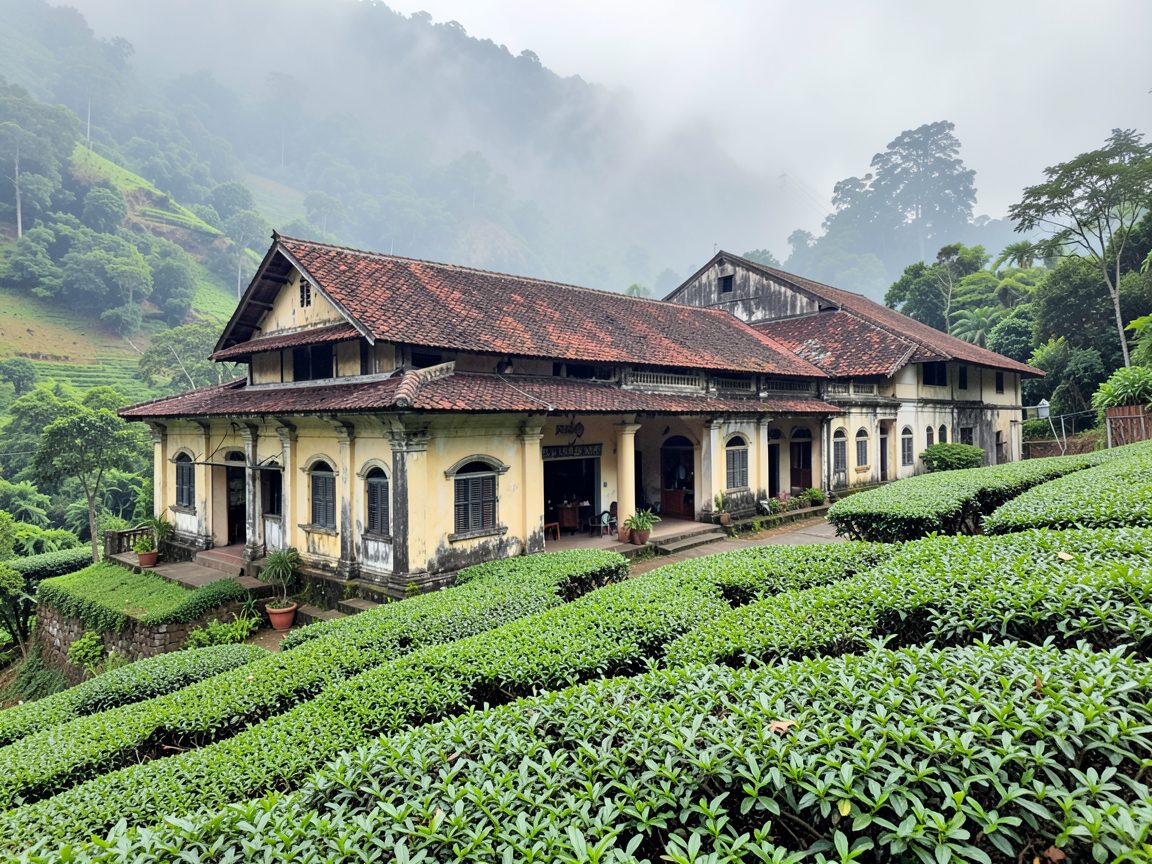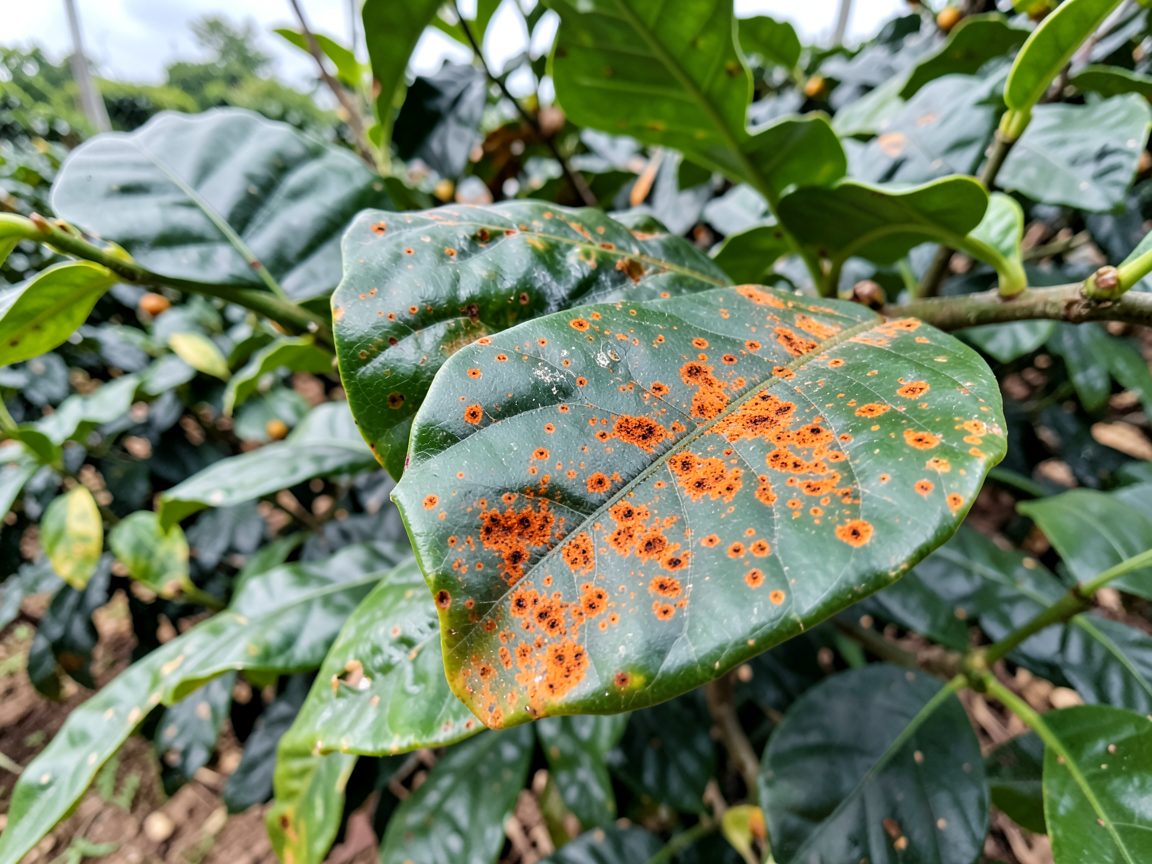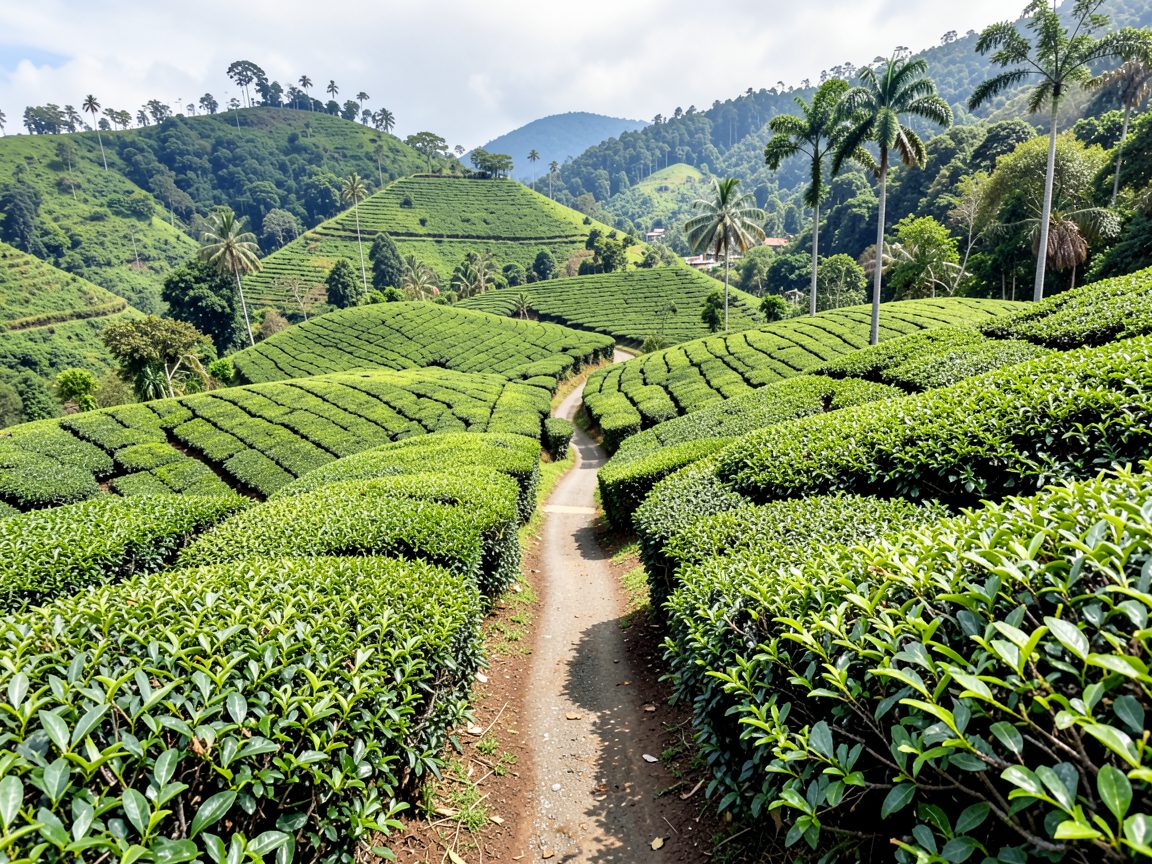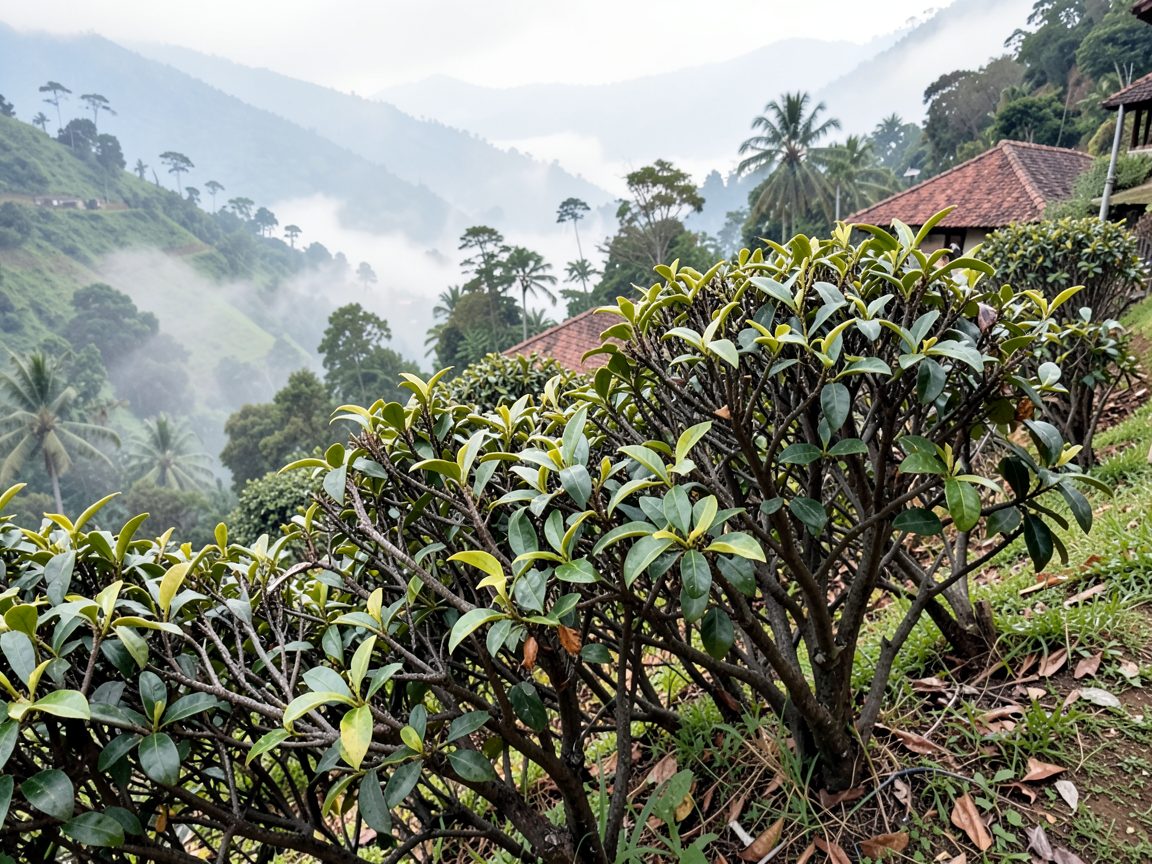
The story of Ceylon tea begins with one man and one estate. James Taylor arrived in Ceylon as a teenager and, in 1867, planted the island's first commercial tea plantation at Loolecondera.
This article is based on Wikipedia's articles on James Taylor and Loolecondera, and the Sri Lanka Tea Board's Birth of Ceylon Tea.
- Born: 29 March 1835, Scotland
- Arrived in Ceylon: 1852, aged 17
- First tea: 19 acres (7.7 ha) planted in 1867
- Estate: Loolecondera, about 35 km south-east of Kandy
- Died: 2 May 1892, aged 57
Arrival in Ceylon
James Taylor was born on 29 March 1835 in Scotland. In October 1852, aged 17, he arrived in Ceylon having signed up as an assistant supervisor. He was sent to Loolecondera, a coffee estate, and by 1857 he was its manager.
The Loolecondera estate
- Loolecondera lies about 35 km south-east of Kandy, between about 900 and 1,500 m above sea level.
- The name is an English corruption of the Sinhala Lool kandura, "the stream full of loola fish".
- It was purchased from the Crown in 1841 to establish a coffee plantation.
Planting the first tea
According to Wikipedia, Taylor experimented with cinchona from 1865. That year, on the owners' instructions, he obtained Chinese tea seeds from the Peradeniya Botanical Gardens and planted them along the roadsides of the coffee estate. Taylor visited India in 1866 to learn the basics of tea growing.
In 1867 he cleared 19 acres (7.7 hectares) and planted the first tea plantation, using Assam hybrid seeds. The Tea Board recounts that he withered his first leaves on his bungalow veranda, trying to emulate the process used in Assam.
Factory and first shipments
- 1872: Taylor started a fully equipped tea factory at Loolecondera, including a tea-rolling machine of his own invention.
- 1873: according to the Tea Board, 23 lb of his tea reached London.
- During the 1880s, planters from across the hill country visited Loolecondera to learn how to grow and manufacture tea.
Later life and legacy
Wikipedia records that as large companies took over the fast-growing industry, Taylor was dismissed by the estate's management. He died on 2 May 1892, aged 57, a year after his dismissal, and was buried at Mahaiyawa Cemetery in Kandy. Estate workers reputedly carried his body on the 18-mile journey.
Some of his early equipment is displayed at the Ceylon Tea Museum, housed in the former Hanthana Tea Factory near Kandy. A statue commemorating him was unveiled in Auchenblae, Scotland, in 2019.
Nineteen acres planted in 1867 grew into an industry employing over a million people.