Kandy is one of Sri Lanka's seven tea regions — and the area most closely tied to the birth of the industry.
This article draws on the Sri Lanka Tea Board's Tea Diversity page and Wikipedia's articles on Kandy, Loolecondera and the Ceylon Tea Museum.
- Elevation: 2,000–4,000 ft (Tea Board)
- Type: mid-country tea
- Tea: robust and full-bodied (Tea Board)
- Nearby: Loolecondera, the first tea estate
- Ceylon Tea Museum: 3 km south of Kandy
Mid-country tea
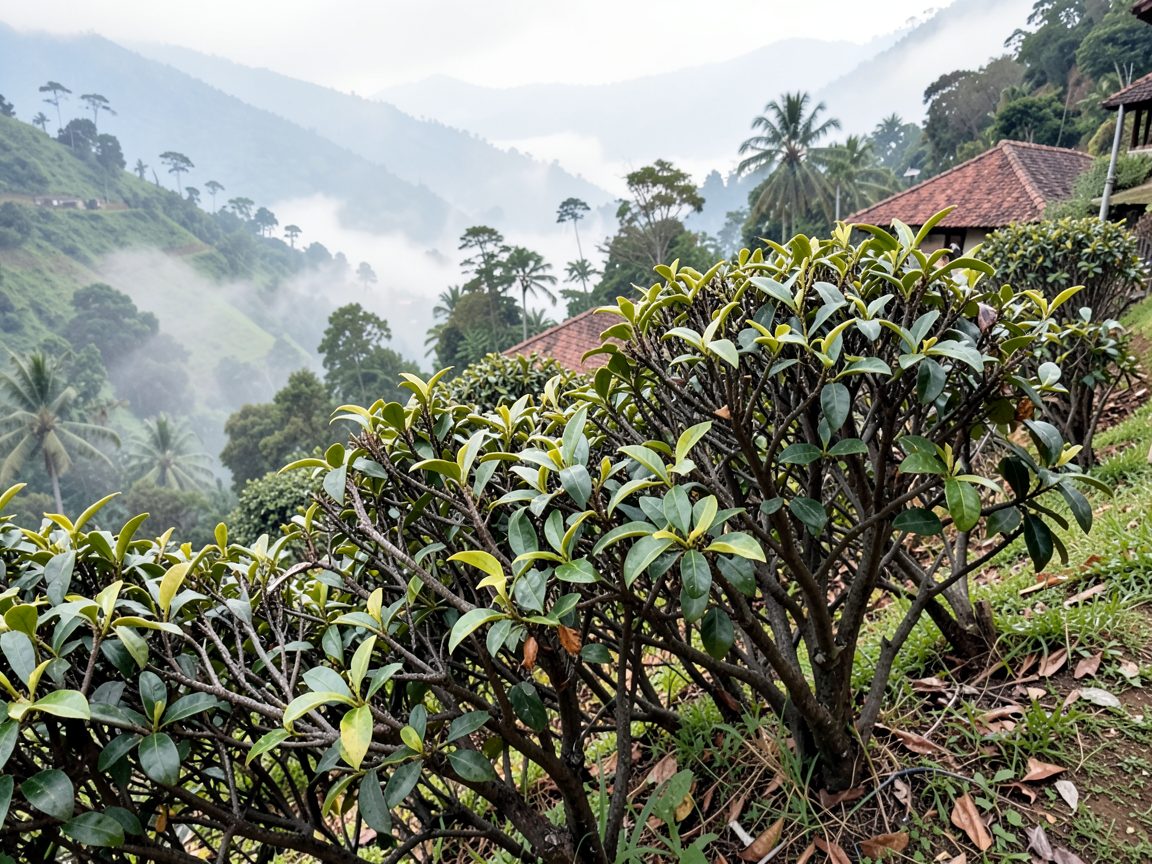
The Tea Board describes Kandy tea as a mid-country tea grown at 2,000 to 4,000 feet above sea level that "produces robust, full-bodied teas", ideal for those who love their tea strong.
Close to where it all began
- The Loolecondera estate, where James Taylor planted Sri Lanka's first tea plantation in 1867, lies about 35 km south-east of Kandy (Wikipedia).
- Taylor had a tea-rolling machine of his own design made in Kandy, and was buried at Mahaiyawa Cemetery in Kandy. See James Taylor & Loolecondera.
The Ceylon Tea Museum
Wikipedia's article on the Ceylon Tea Museum describes it as housed in the former Hanthana Tea Factory, built in 1925, about 3 km south of Kandy. Hanthana was one of the first successful areas to grow tea after the failure of coffee. The museum, opened in 2001, displays 19th-century tea-processing machinery and exhibits on tea pioneers, including some of James Taylor's early equipment.
A tea landscape
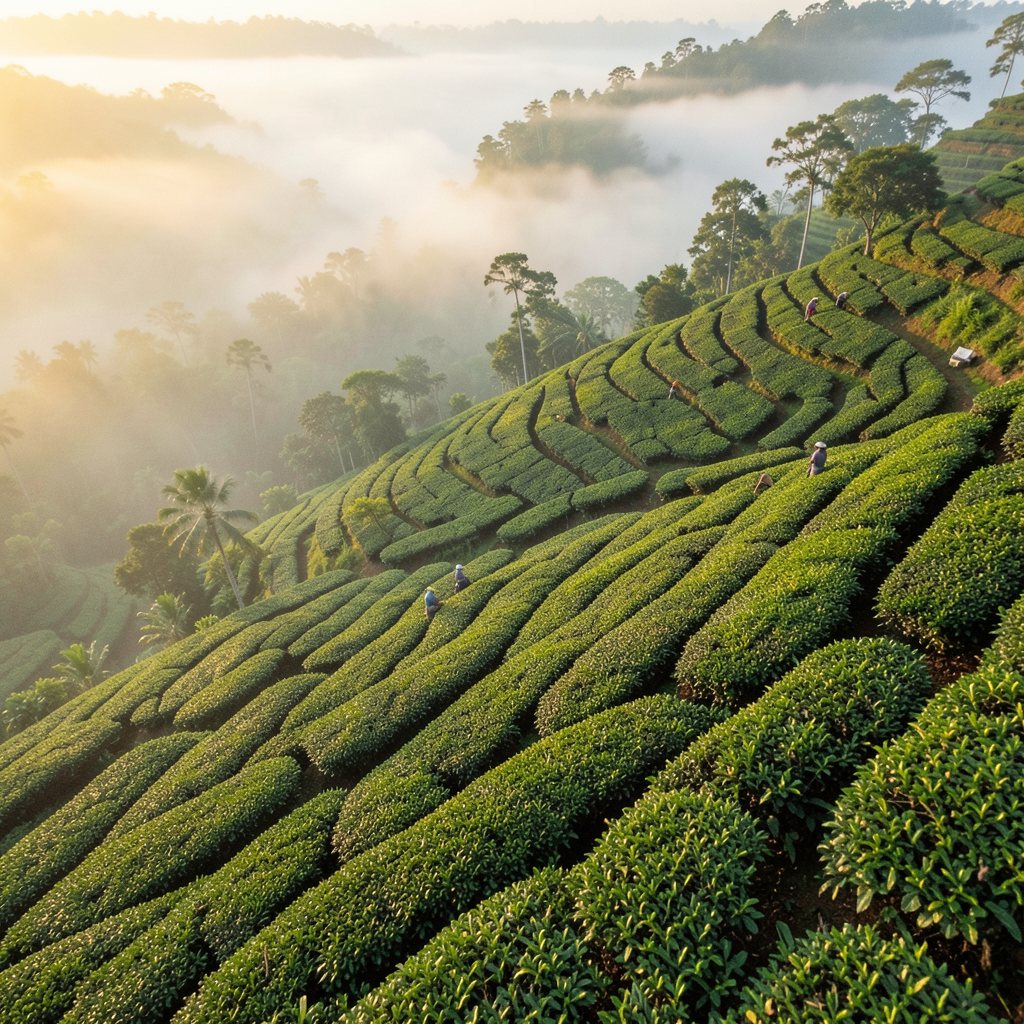
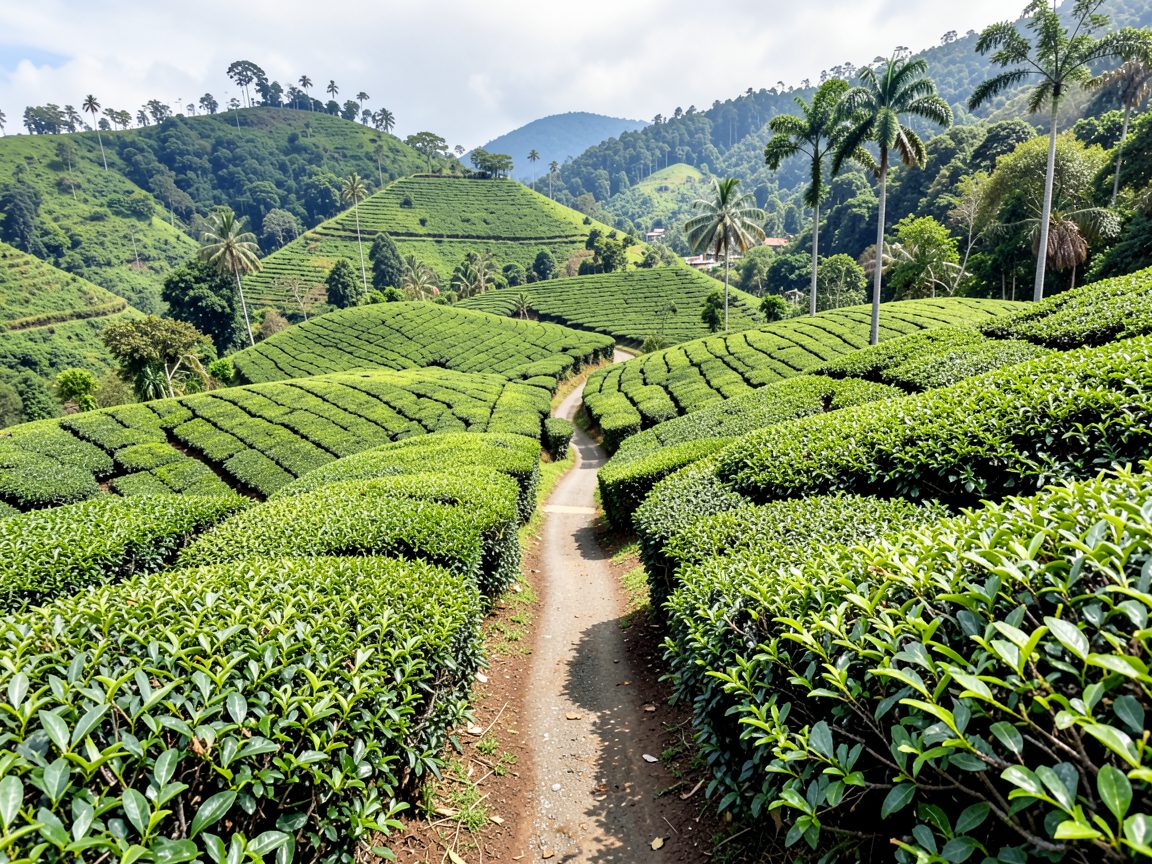
Wikipedia notes that the Colombo–Kandy road passes through rubber and tea plantations and rice paddies, and that the Kandy–Nuwara Eliya road cuts through paddy fields and seamless tea plantations — two of Sri Lanka's most scenic roads.
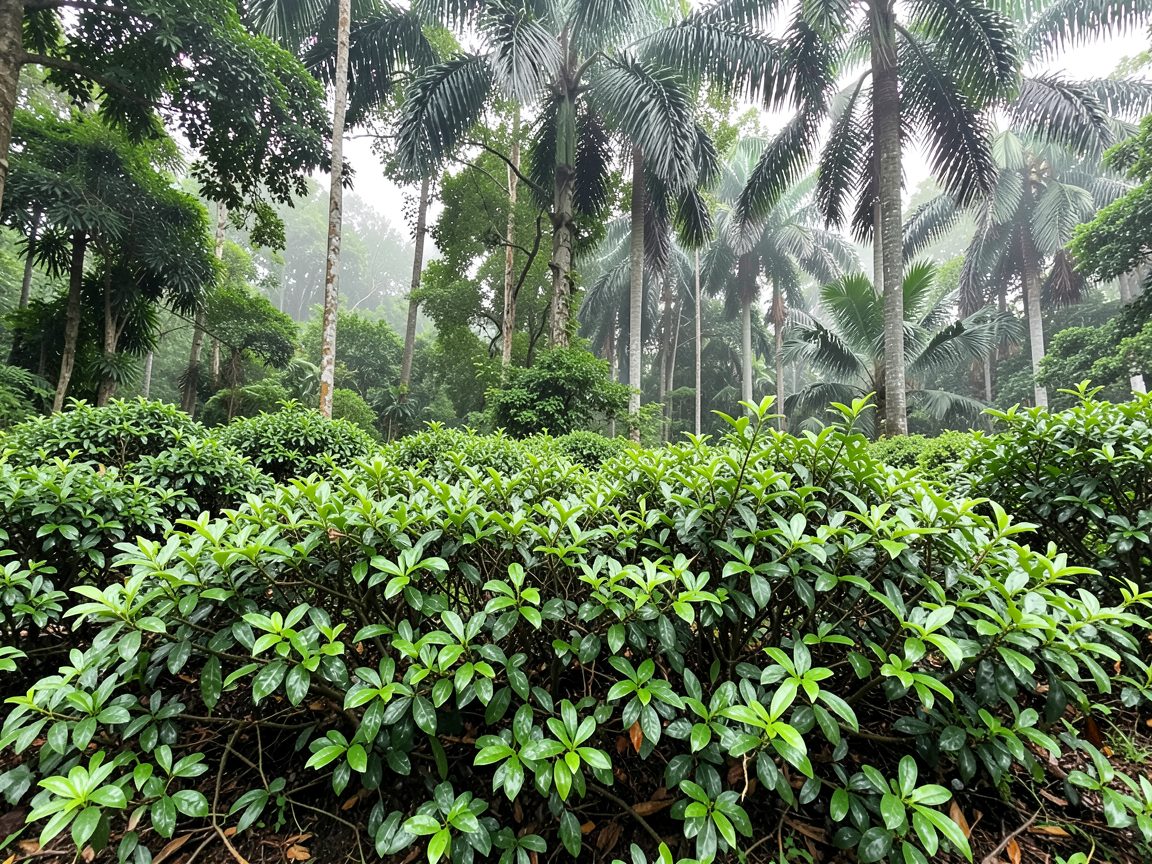
Robust and full-bodied: Kandy's mid-country tea, grown near the birthplace of the industry.