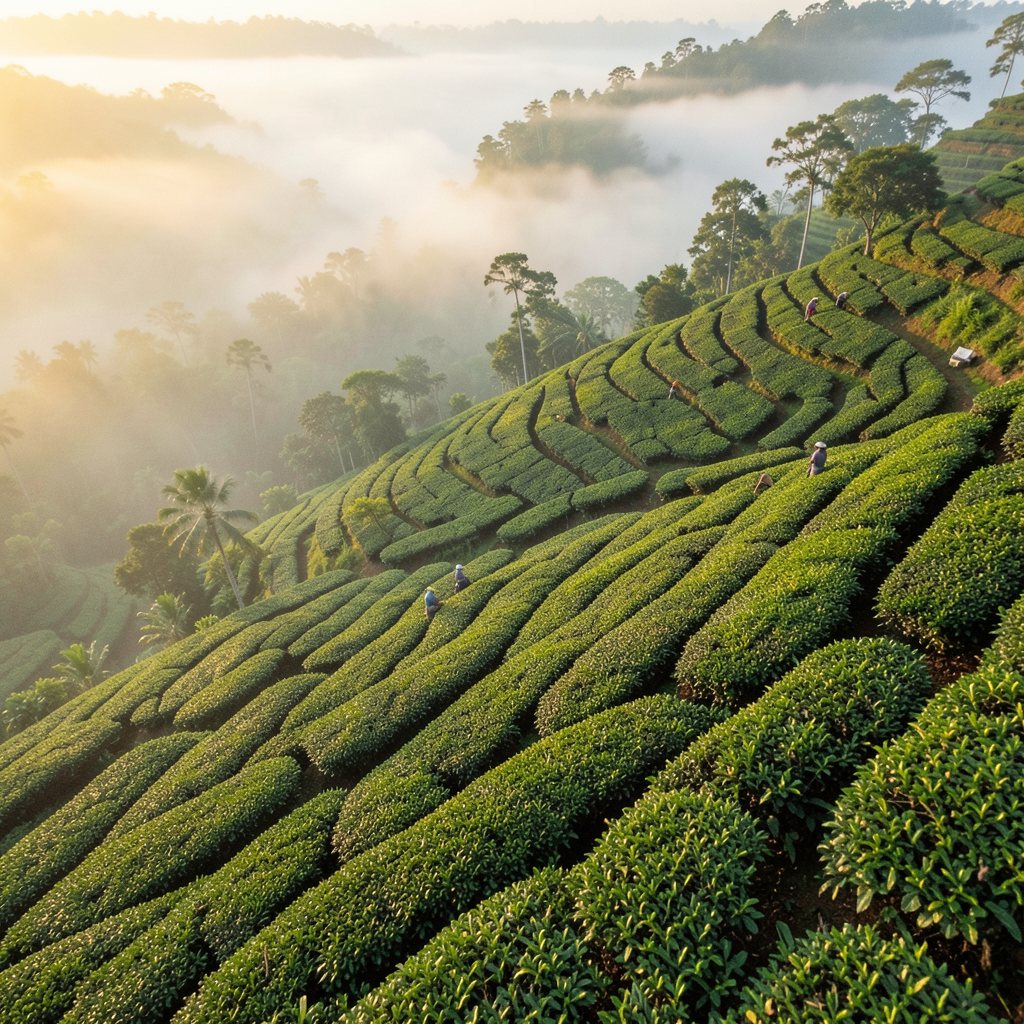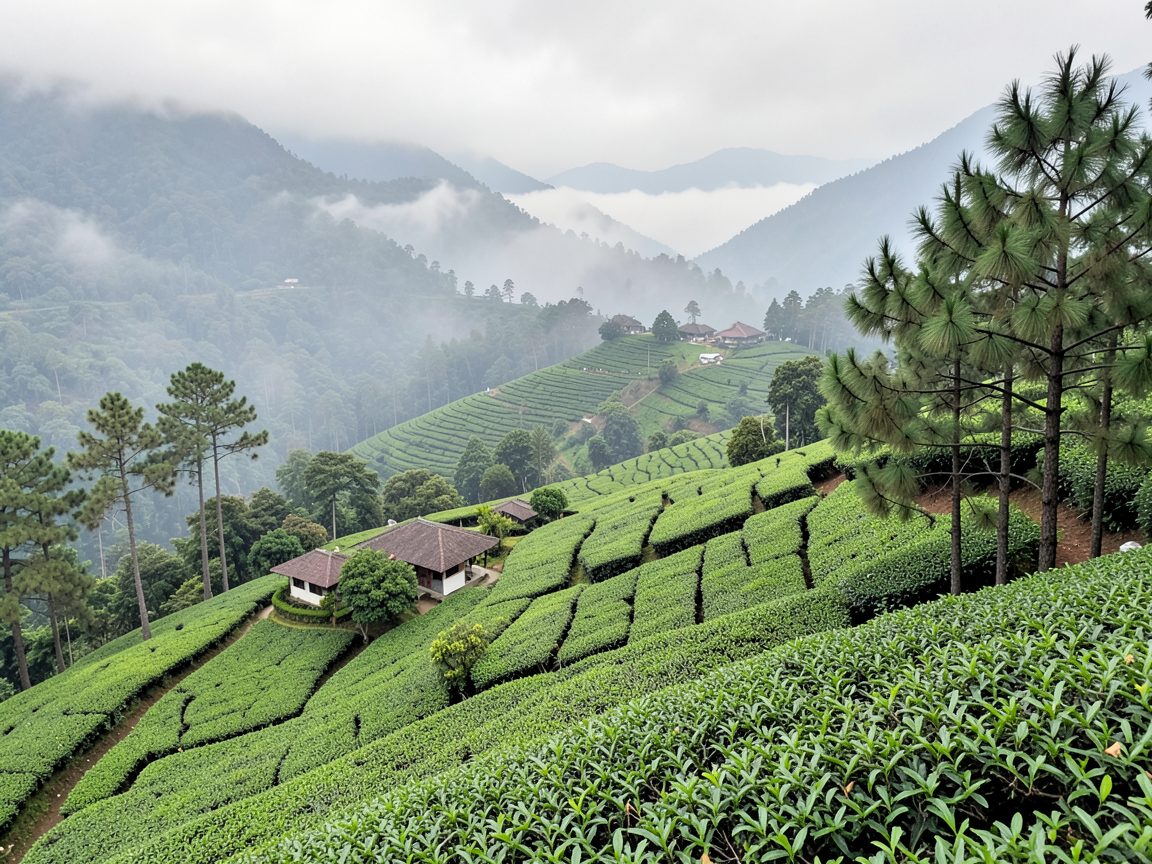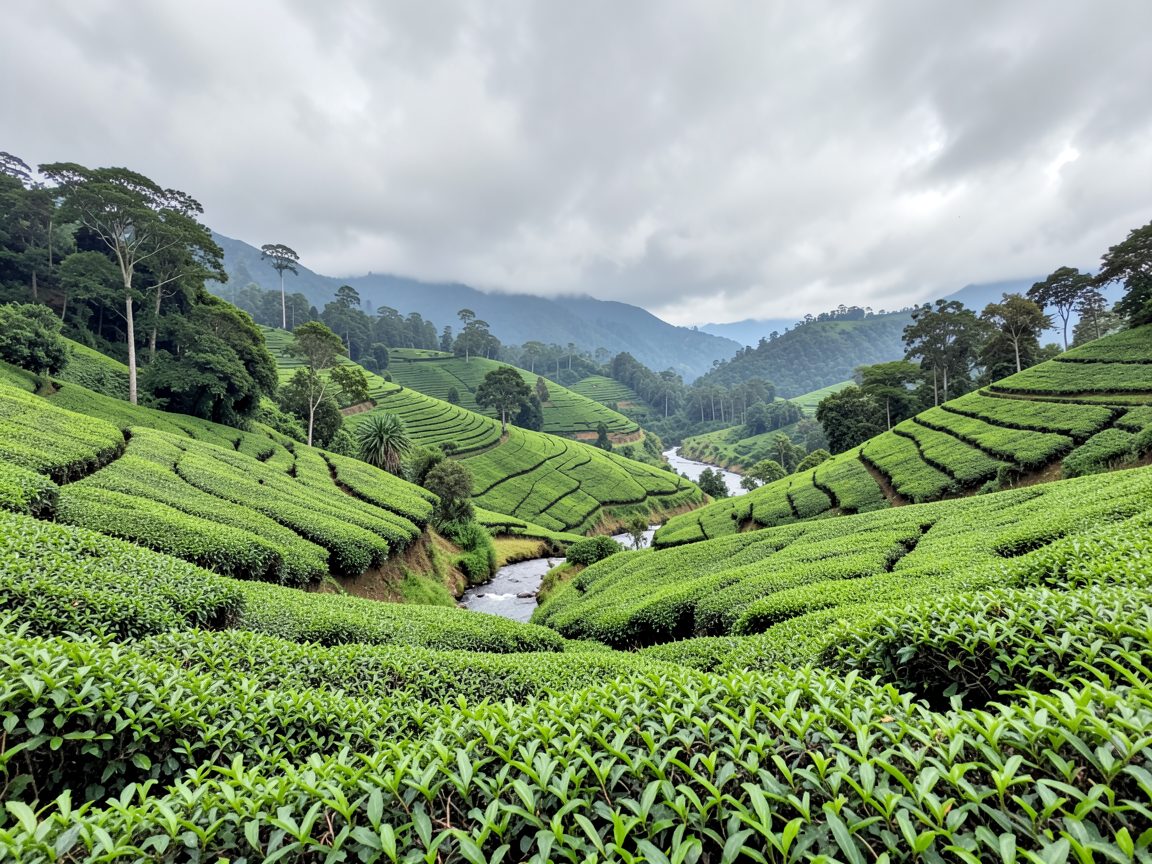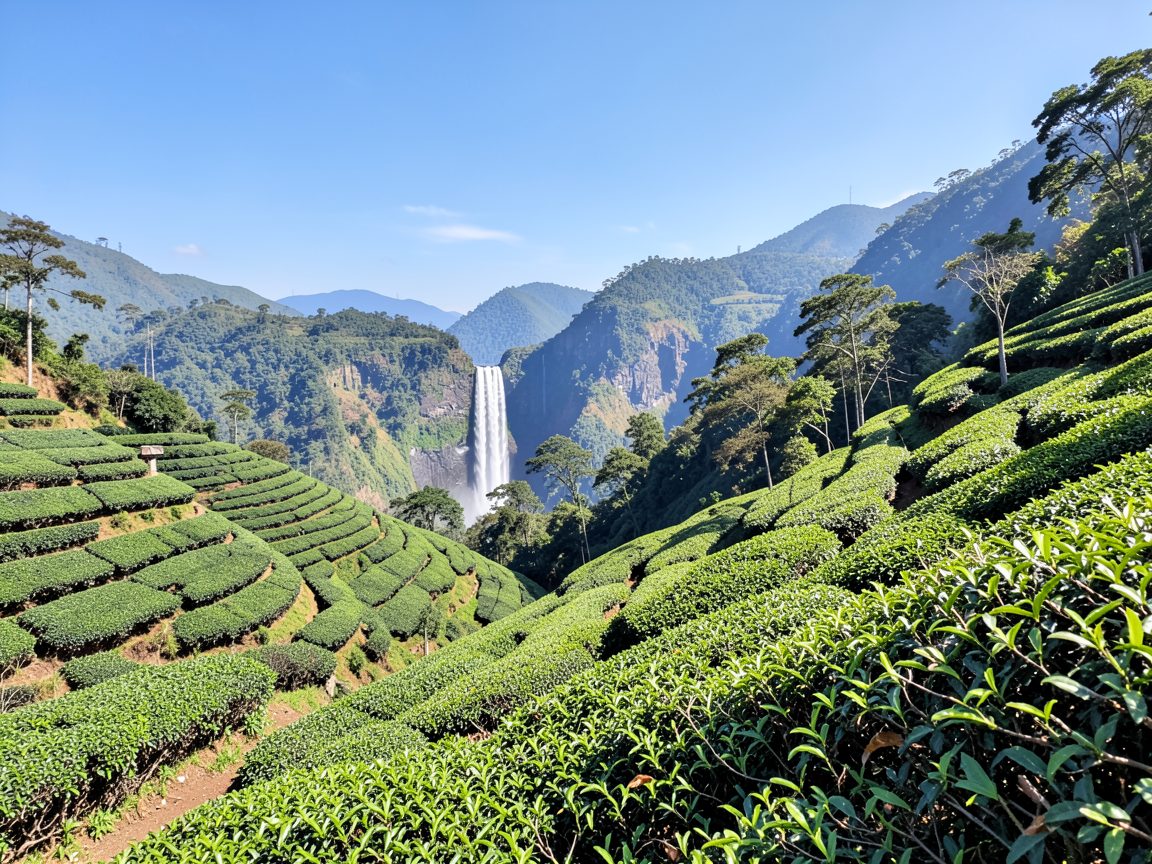
Uva is one of Sri Lanka's seven tea regions. The Sri Lanka Tea Board sums up its tea in a single word: exotic.
This article draws on the Tea Board's Tea Diversity page and Wikipedia's article on Uva Province.
- Province: Uva, capital Badulla
- Area: about 8,500 km²
- Climate: exposed to both monsoons, but winds arrive dry
- Tea: "a special concentrated aroma" (Tea Board)
- Also known for: waterfalls and national parks
The place
- Uva is one of Sri Lanka's nine provinces, covering about 8,500 km². Its capital is Badulla.
- It borders the Eastern, Southern, Sabaragamuwa and Central provinces.
- It is home to waterfalls such as Dunhinda, Diyaluma and Rawana falls, and parts of Yala and Gal Oya national parks.
- Traditionally, the name is believed to come from a battle cry, "Hoowa!", or possibly to echo the sound of the mountain winds.
Why Uva is different
The Tea Board explains that Uva's mountainous terrain is exposed to both the north-east and south-west monsoons. But when the winds reach these heights, "they blow bereft of moisture — a spent force which had discharged its water content in the hills below".
That dryness, according to the Tea Board, "gives Uva tea a special concentrated aroma and a distinct exotic flavour".
Uva's winds have already dropped their rain by the time they arrive — and that, says the Tea Board, is the secret of its tea.
History
Wikipedia records that Uva was a province of the Kingdom of Kandy and was the centre of an 1818 uprising against British rule, led by Keppetipola Disawe and still commemorated today. The British pursued a scorched-earth policy in the province during the rebellion.
Uva's neighbours
Uva sits on the eastern side of the central hills. Compare it with Nuwara Eliya and Dimbula, or read the overview in Ceylon Tea Regions Explained.