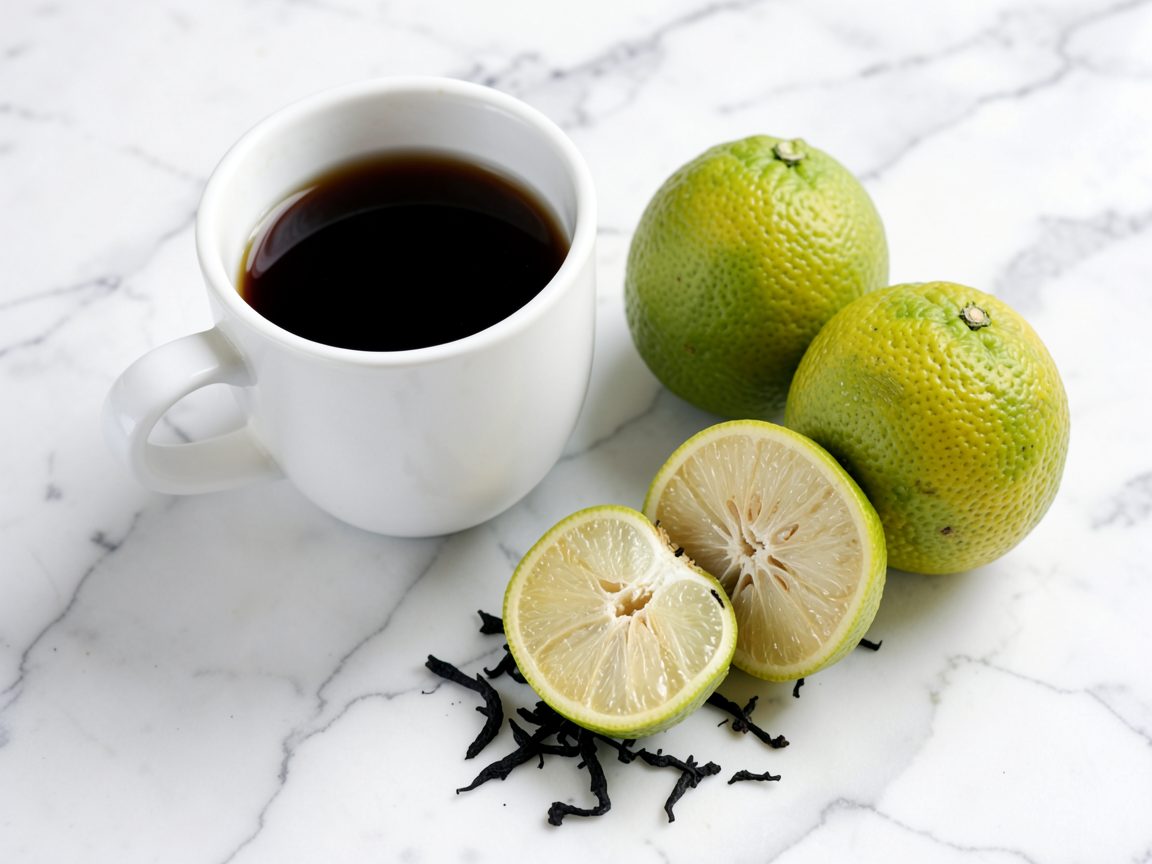
Earl Grey is a black tea flavoured with oil of bergamot, a fragrant citrus. It's instantly recognisable — but the story of how it got its name is far less certain.
This article draws on Wikipedia's articles on Earl Grey tea and the bergamot orange.
- Flavour: oil of bergamot added to black tea
- Bergamot: Citrus bergamia, grown mostly in Calabria, Italy
- Earliest bergamot-tea reference: 1824
- Named after: possibly Charles Grey, 2nd Earl Grey — disputed
- Not a trademark: anyone can make "Earl Grey"
What is Earl Grey?
Earl Grey is a tea blend flavoured with oil of bergamot, from the fruit's rind. Wikipedia notes that many Earl Greys use other natural or artificial flavours instead, as these are cheaper and give a longer shelf life.
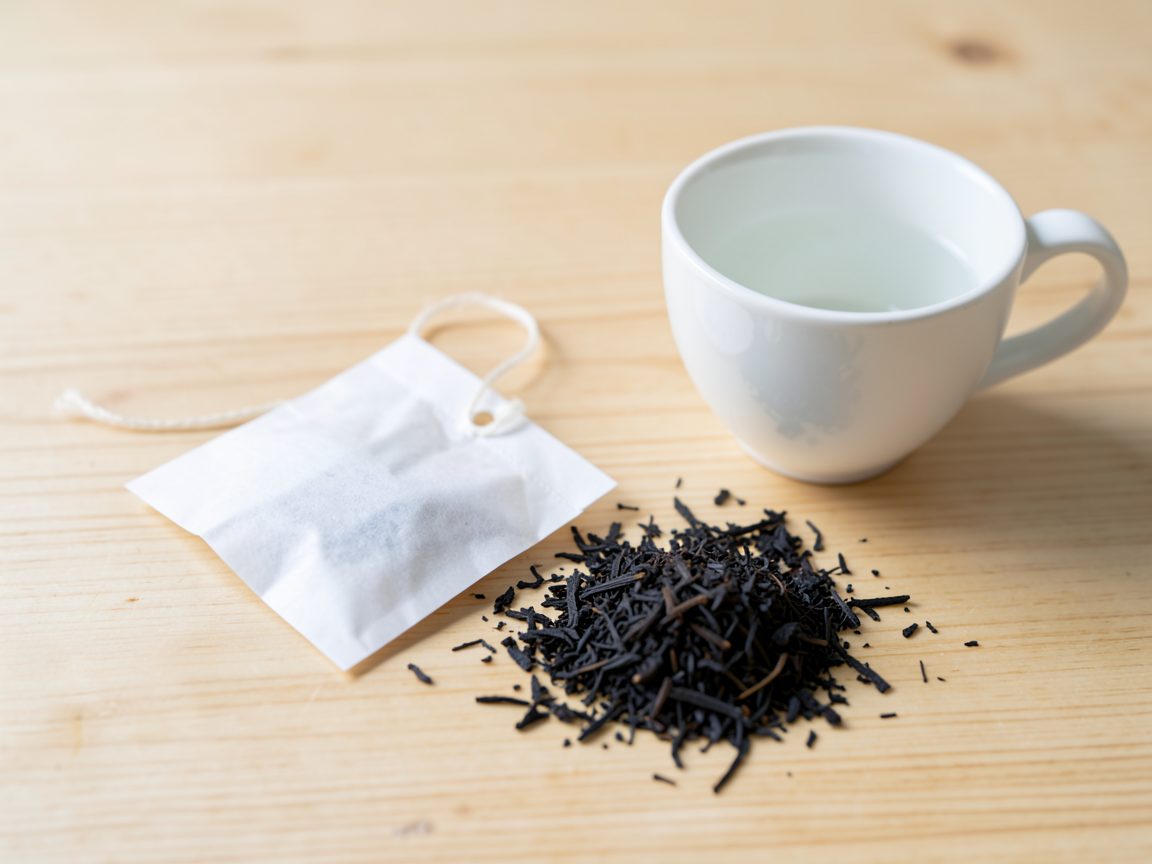
Traditionally Earl Grey was made from Chinese black teas such as keemun. Today it is made on many different bases — including Ceylon black tea — and there are green and oolong versions too.
What is bergamot?
- Plant: Citrus bergamia, a fragrant citrus the size of an orange, yellow or green like a lime depending on ripeness.
- Origin of the name: from the French bergamote, from the Italian bergamotta, named for the city of Bergamo.
- Where it grows: mostly in Mediterranean areas, on a large scale along the Ionian coast of Reggio di Calabria in Italy.
- Not the herb: it is unrelated to the mint-family herbs also called "bergamot" (Monarda).
Who was Earl Grey?
The blend is often said to be named after Charles Grey, 2nd Earl Grey, British Prime Minister in the 1830s. But Wikipedia sets out several competing accounts, none of them proven:
- The mandarin legend: a grateful Chinese mandarin gave the blend to the Earl in 1803 after one of Lord Grey's men saved his son from drowning. Wikipedia calls this apocryphal — Lord Grey never travelled to China, and bergamot-scented tea was then unknown there.
- The Grey family account: the tea was blended to suit the water at Howick Hall, the family seat in Northumberland, with bergamot offsetting the lime in the local water.
- Later naming: advertisements from the 1850s and 1860s refer to "Grey's Tea" or "Grey's mixture", the earliest attributed to a tea merchant named William Grey in 1852. The first known references to an "Earl Grey" tea are advertisements from the 1880s.
Wikipedia also notes that the earliest reference to tea flavoured with bergamot dates to 1824, without mention of Earl Grey, and that in 1837 a company was accused of secretly adding bergamot to pass off tea as a superior product.
The bergamot is certain. The Earl is a mystery.
Brewing Earl Grey
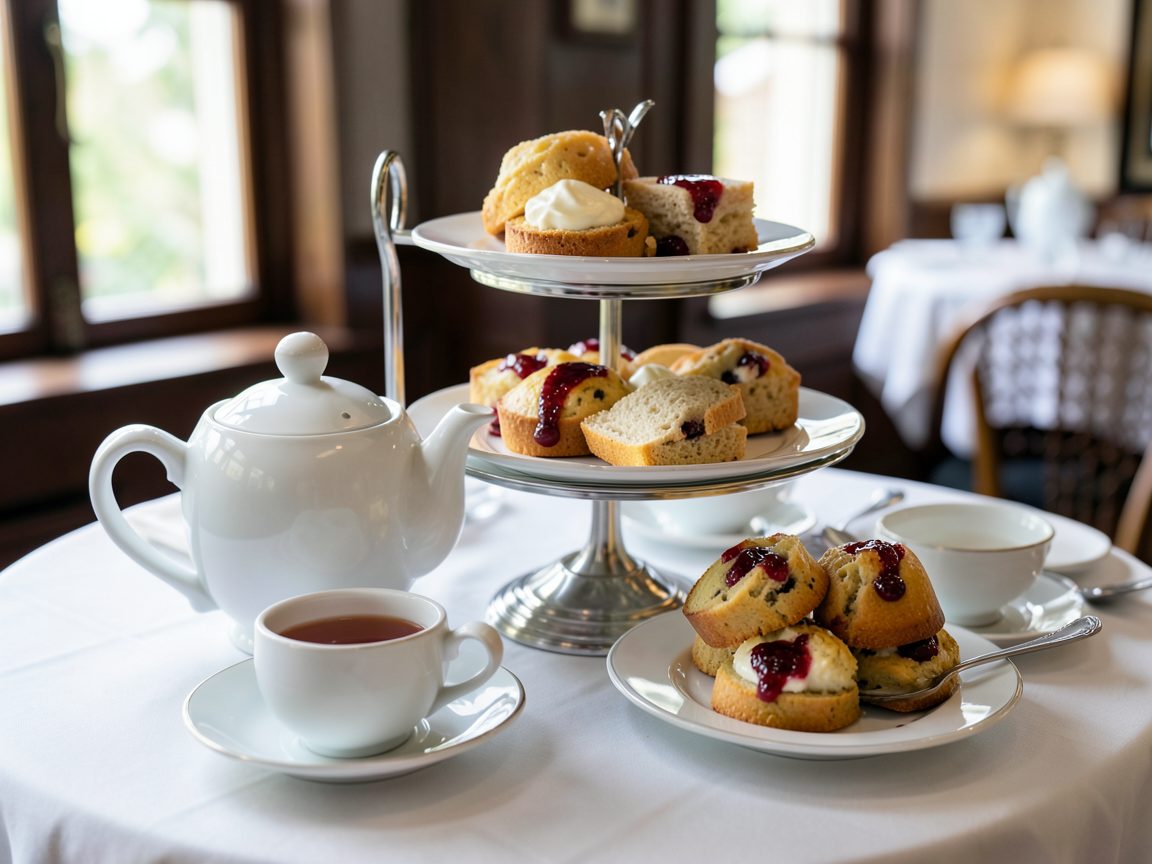
Because Earl Grey is a black tea, it is brewed with boiling water like other black teas. Wikipedia notes that Earl Grey was traditionally intended to be served without milk; today people take it black, with lemon, or with milk according to taste. For general guidance see How to Brew the Perfect Cup.