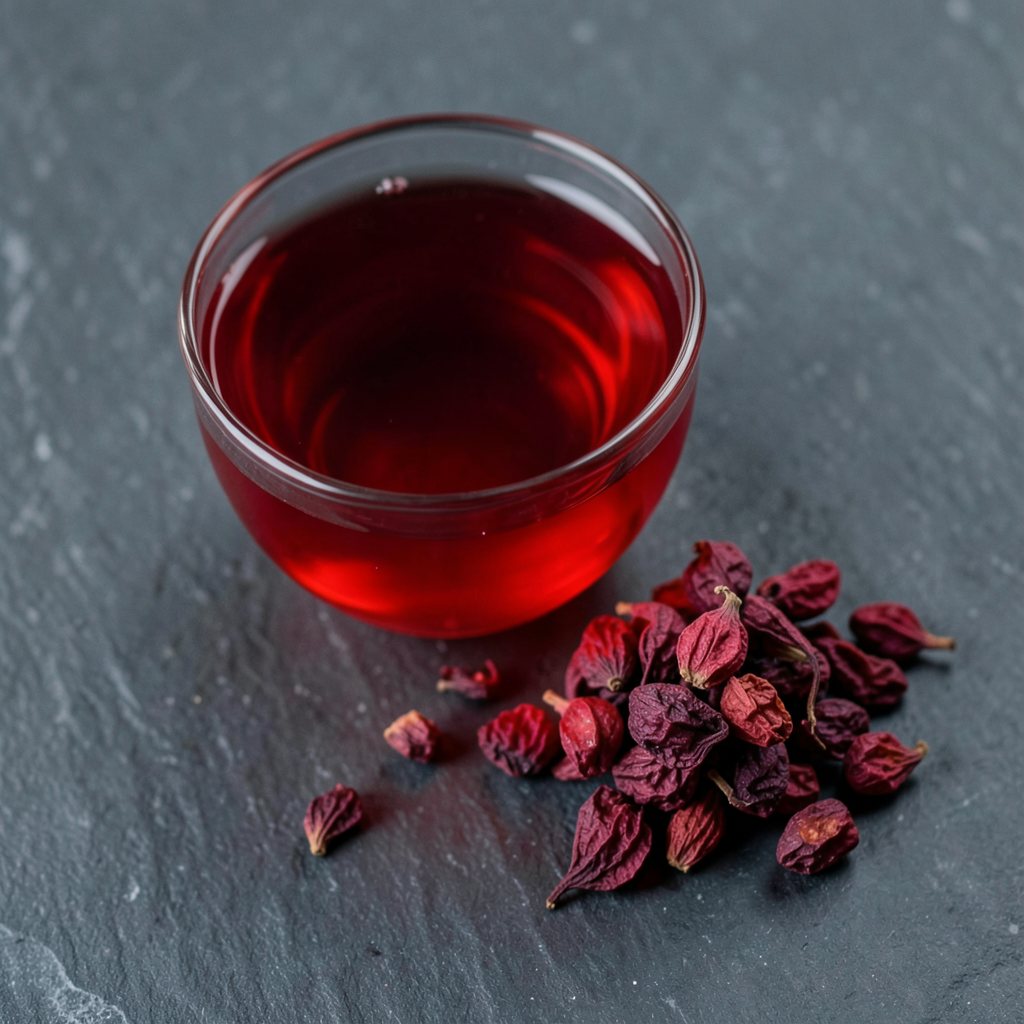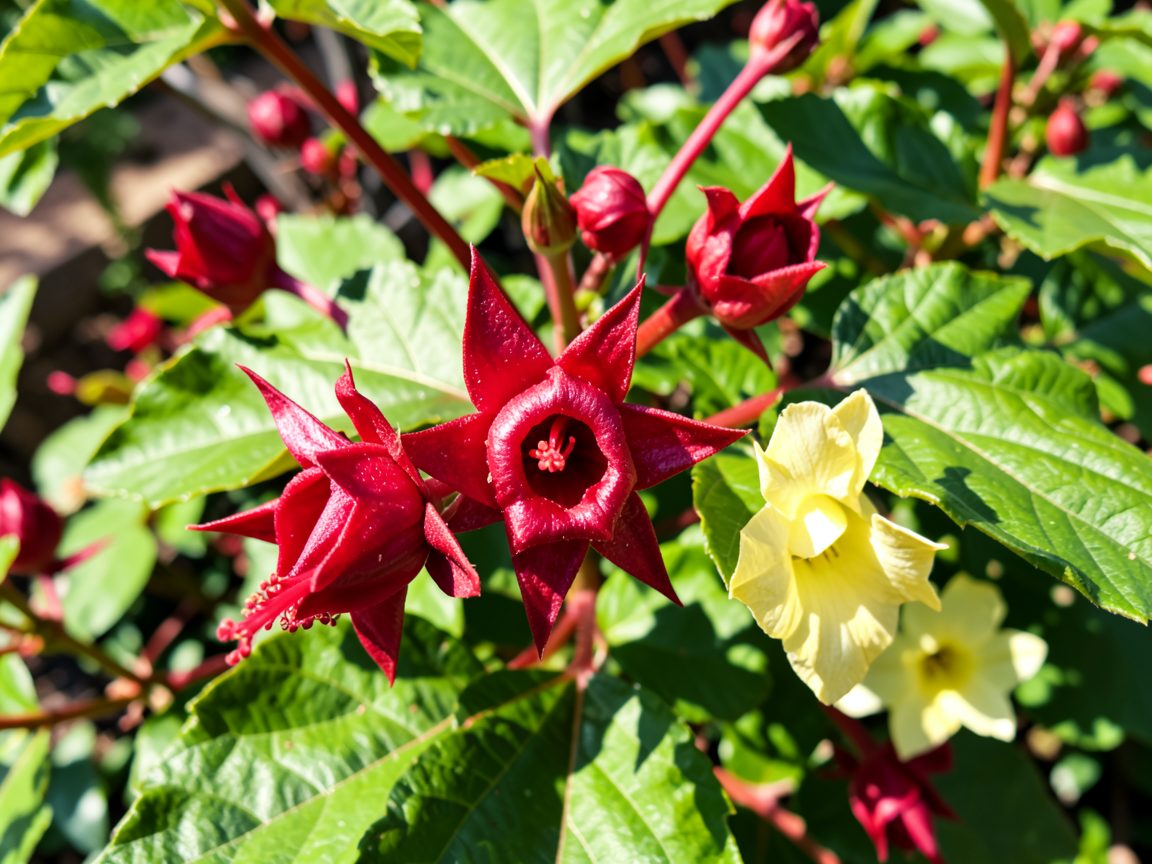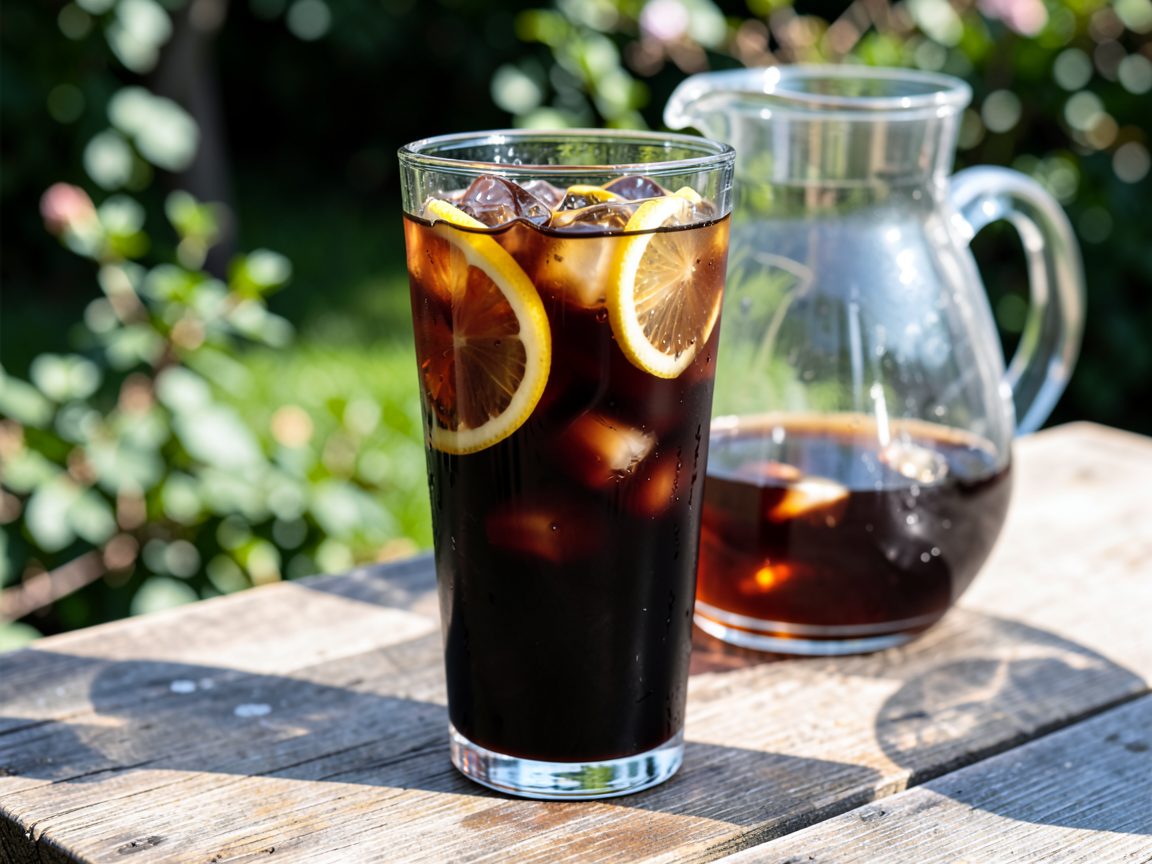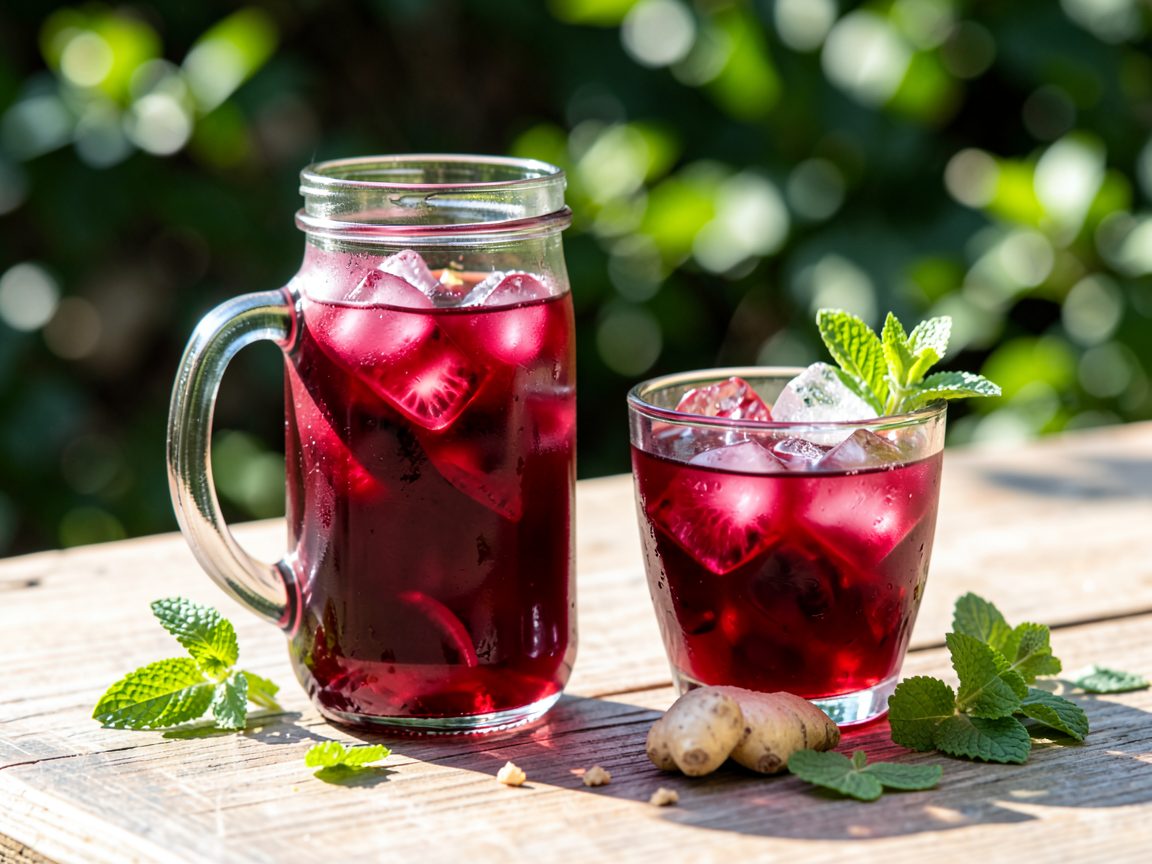
The roselle plant, Hibiscus sabdariffa, was domesticated in Africa and spread around the world. Wherever it travelled, it became a favourite drink — often with a local name and a local twist.
This article draws on Wikipedia's articles on hibiscus tea and roselle.
- Egypt & Sudan: karkadé, served hot or chilled
- Senegal & Burkina Faso: bissap
- Nigeria: zobo
- Mexico & Central America: agua de Jamaica
- Caribbean: sorrel, a Christmas tradition in Jamaica
Names around the world
| Region | Name | How it's served (Wikipedia) |
|---|---|---|
| Egypt & Sudan | Karkadé | Often served warm; also chilled. Weddings are traditionally toasted with it |
| Senegal & Burkina Faso | Bissap | Sweetened and chilled |
| Nigeria | Zobo | Boiled with ginger and cloves; served hot or chilled |
| Ghana | Sobolo | Often served cold |
| Mexico, Central America | Agua de Jamaica | Chilled, one of the common aguas frescas |
| Caribbean | Sorrel | With sugar, often spiced with bay leaves, cloves and ginger |
| Italy | Carcadè | Usually hot, with sugar and lemon or orange |
| Thailand | Krachiap | Heavily sweetened and poured over ice |
Africa
Wikipedia notes that roselle was domesticated in Africa, particularly the Western Sudan, and is featured in numerous sauces, soups and drinks. In Ghana, Nigeria and Senegal the drink is often served cold, while in Egypt and Sudan it is often served warm. On a typical Cairo street, many vendors sell karkadé.
The Americas
Agua de flor de Jamaica is consumed in Mexico, Central America and parts of South America and the Caribbean. According to Wikipedia, it was introduced to the region by enslaved Africans. In Jamaica, the spice-infused drink is a Christmas tradition, served with fruitcake or sweet potato pudding. In American soul food cuisine, hibiscus tea is part of a category of "red drinks" associated with West Africa.
Europe and Asia
In Italy, carcadè was first introduced from Eritrea and was widely used as a tea substitute when the country was hit by trade sanctions in the 1930s. In Thailand, roselle is most commonly a sweet cold drink; Wikipedia notes it is sometimes combined with Chinese tea leaves in a 4:1 ratio.
Try it at home
Many of these drinks share a simple idea: steep dried hibiscus, then sweeten and flavour it — with ginger, cloves, mint, citrus or spices — and serve hot or over ice. For brewing guidance, see Hibiscus Tea: The Ruby Infusion and Iced Tea & Cold Brew.
One flower, a dozen names — and a ruby-red drink in every one of them.