Ask an Australian about rosella and you might hear about a colourful parrot — or a tart red fruit. Wikipedia's article on roselle notes that in Australia, where the plant is naturalised, it is known as rosella or rosella fruit, to distinguish it from the native bird.
- Plant: roselle, Hibiscus sabdariffa
- In Australia: naturalised; called rosella or rosella fruit
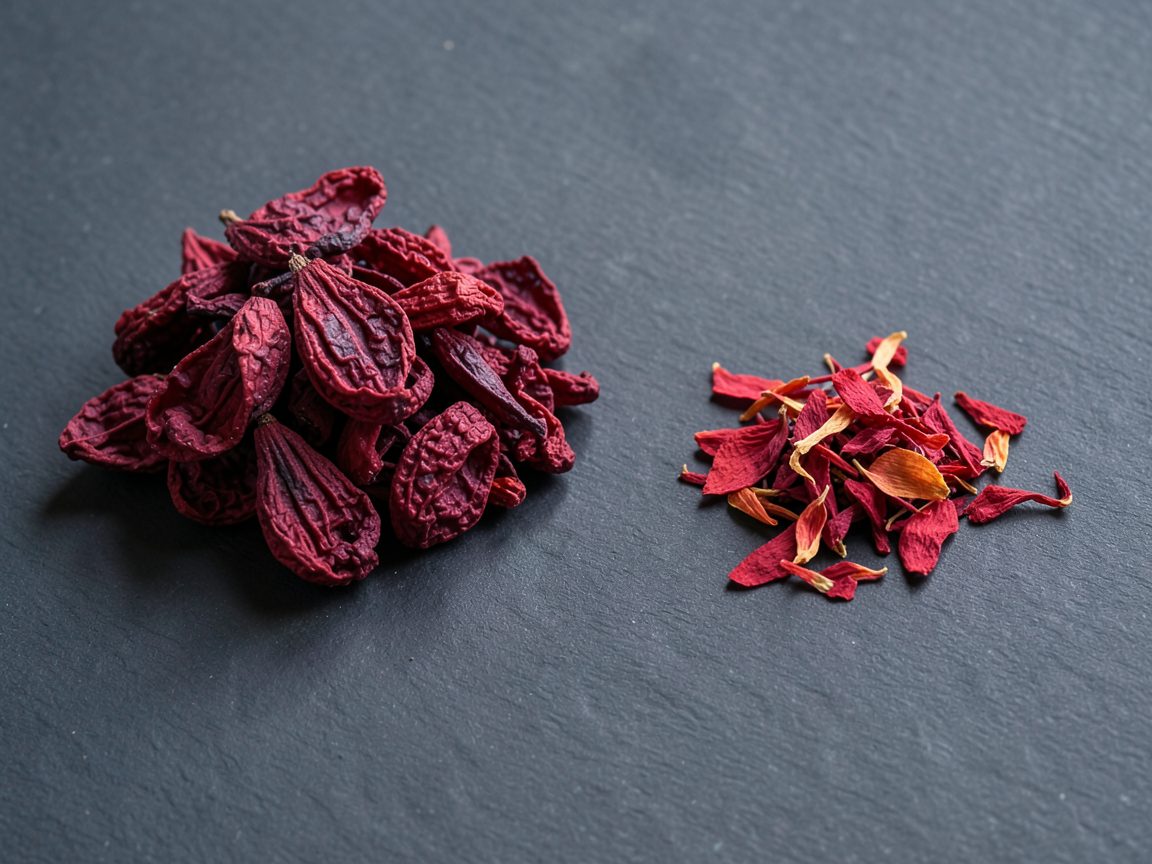
- Calyx: becomes fleshy and deep crimson
- Jam: enough natural pectin to set without added pectin
- Height: 2–2.5 m
The plant
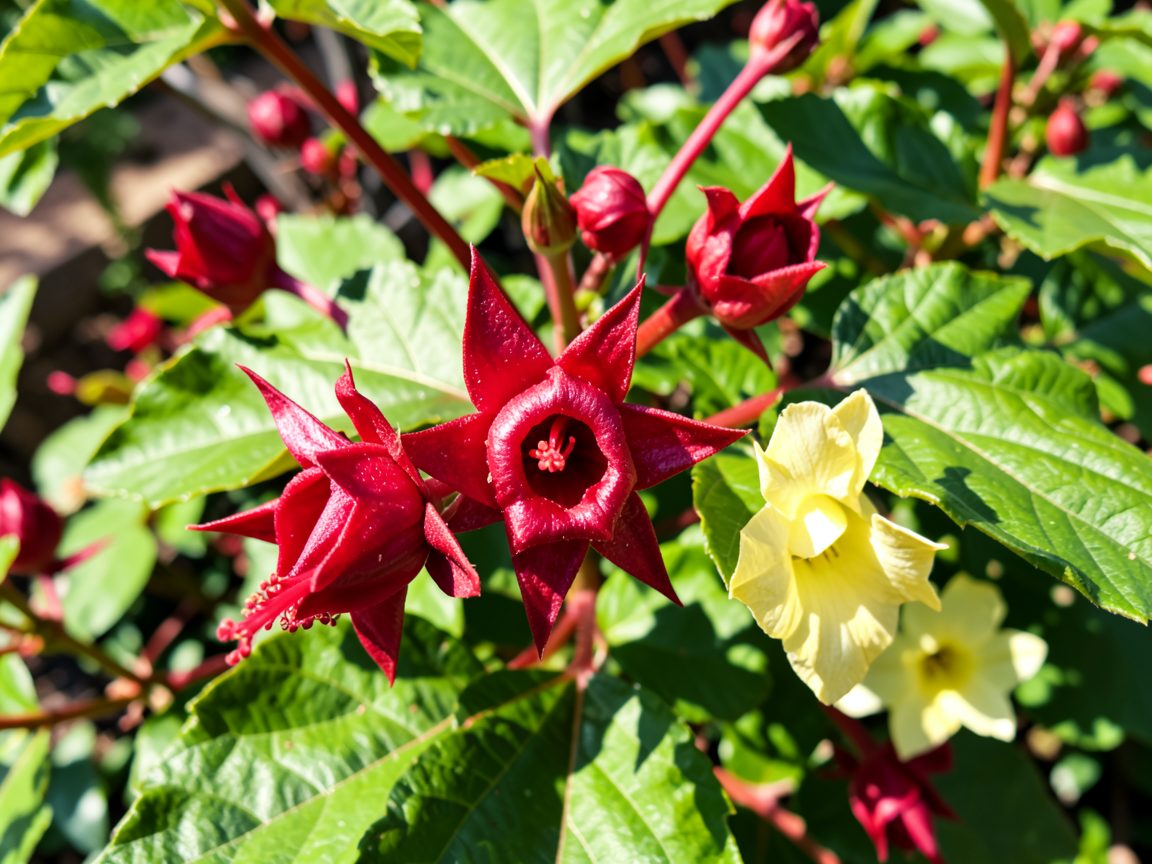
- Roselle is an annual or perennial herb or woody-based subshrub, growing to 2–2.5 m tall.
- Its leaves are deeply three- to five-lobed.
- The flowers are white to pale yellow with a dark red spot at the base of each petal.
- The calyx at the base of the flower enlarges and becomes fleshy and deep crimson as the fruit matures, which takes about six months.
It is the calyces — often called the "fruit" — that are used for drinks, jams and sauces.
Other names
Roselle is also known as Florida cranberry or Jamaica sorrel in the United States, and sorrel in many parts of the English-speaking Caribbean (Wikipedia). See Hibiscus Drinks of the World.
Rosella jam
Wikipedia notes that roselle fruits contain enough pectin to be made into jam without adding pectin from another source — one reason rosella jam is a classic home preserve.
Uses around the world
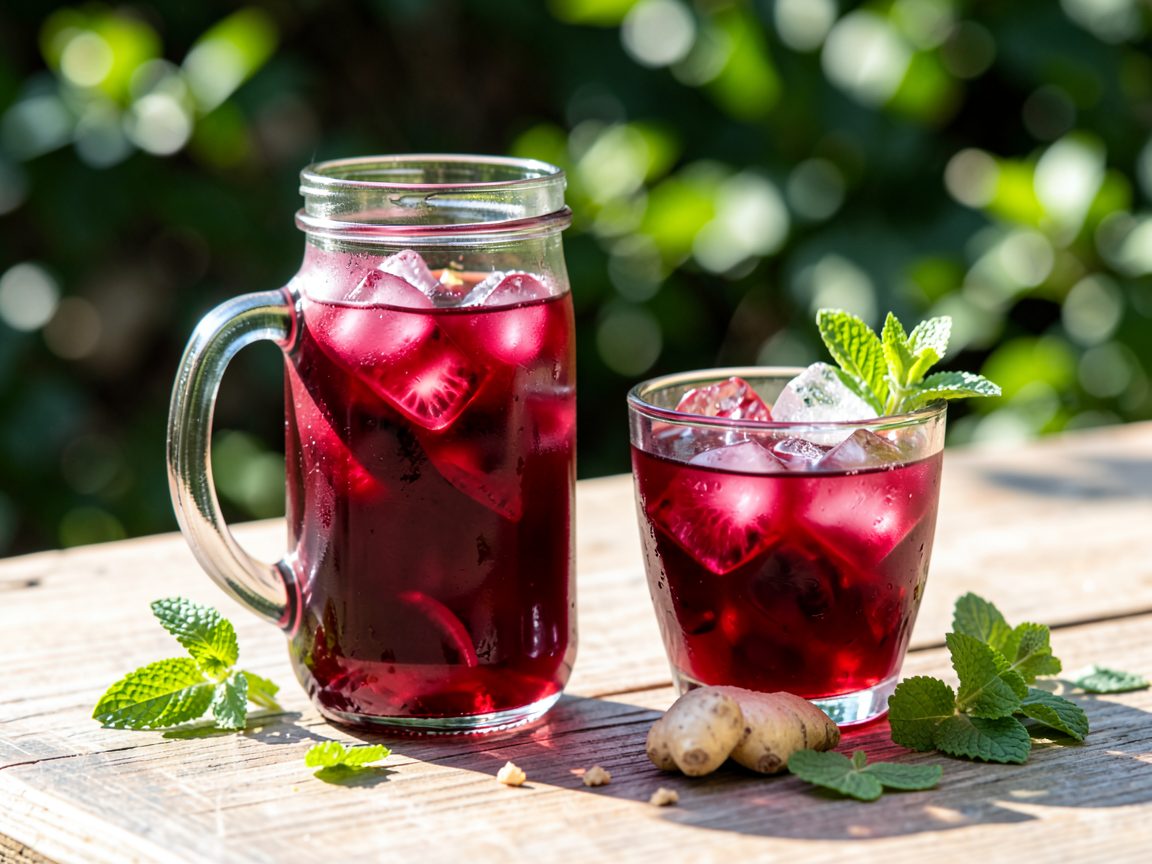
- Drinks: karkadé in Sudan and Egypt, zobo in Nigeria, sorrel in the Caribbean, and agua fresca in Mexico and Central America.
- Food: the leaves are cooked in Burmese cuisine, and leaves and flowers add sourness to Filipino chicken stew (tinola).
- Fibre: the stems yield a bast fibre used for cordage and as a substitute for jute.
- Colour: roselle can be a natural source of red food dye.
Wikipedia notes that China and Thailand are the largest producers and control much of the world supply.
Rosella as tea
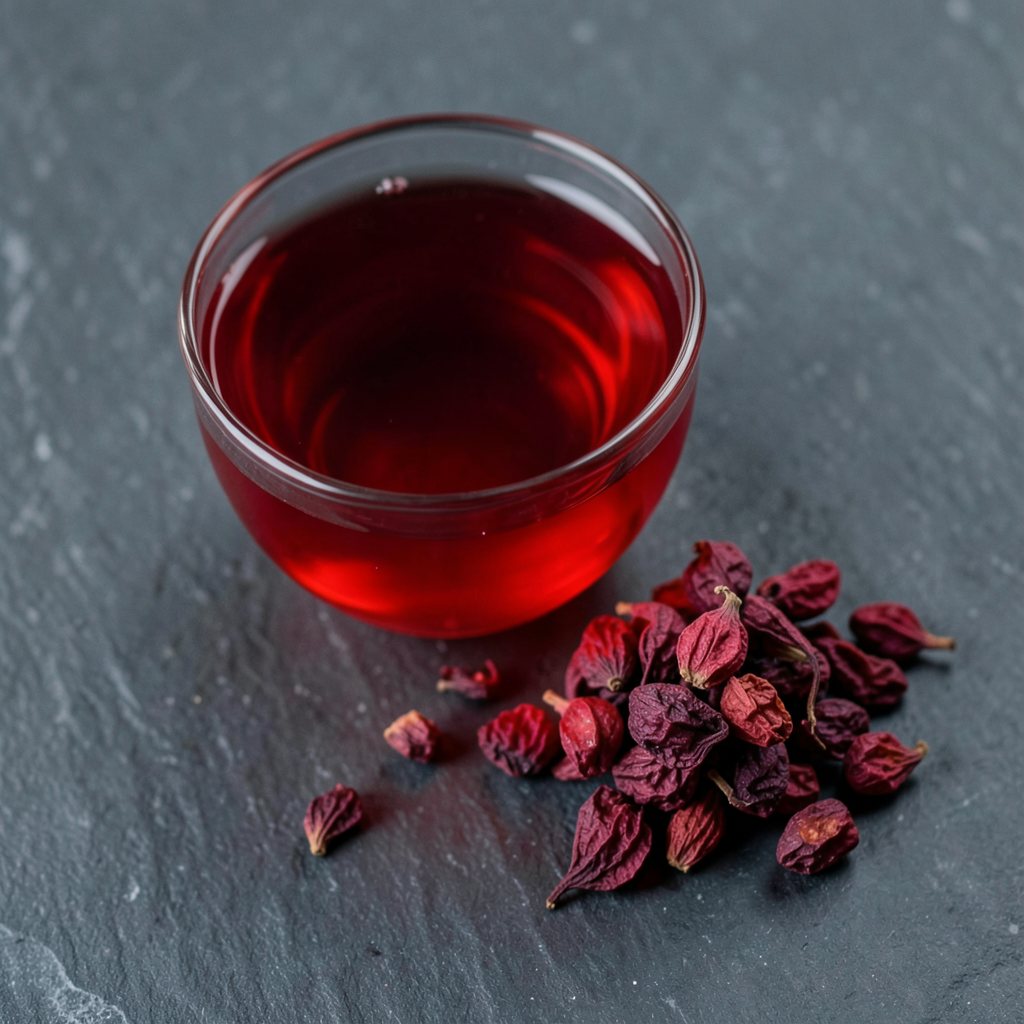
Dried rosella calyces make hibiscus tea, with its tart, cranberry-like flavour. For brewing and research, read Hibiscus Tea: The Ruby Infusion.
In Australia, the hibiscus in your cup shares its name with a parrot.