Behind every cup of Ceylon tea is a long human history. Sri Lanka's coffee and tea plantations were built largely by workers brought from South India — a community known today as the Indian Tamils or Hill Country Tamils.
This article summarises Wikipedia's article on the Indian Tamils of Sri Lanka. It is a complex history, and we encourage readers to explore the full article and its sources.
- Community: Indian Tamils, also called Hill Country Tamils
- Origins: workers brought from South India in the 19th and 20th centuries
- 1948–49: citizenship acts disenfranchised many
- 1964: Sirima–Shastri Pact on repatriation
- By the 1990s: most had Sri Lankan citizenship
Origins
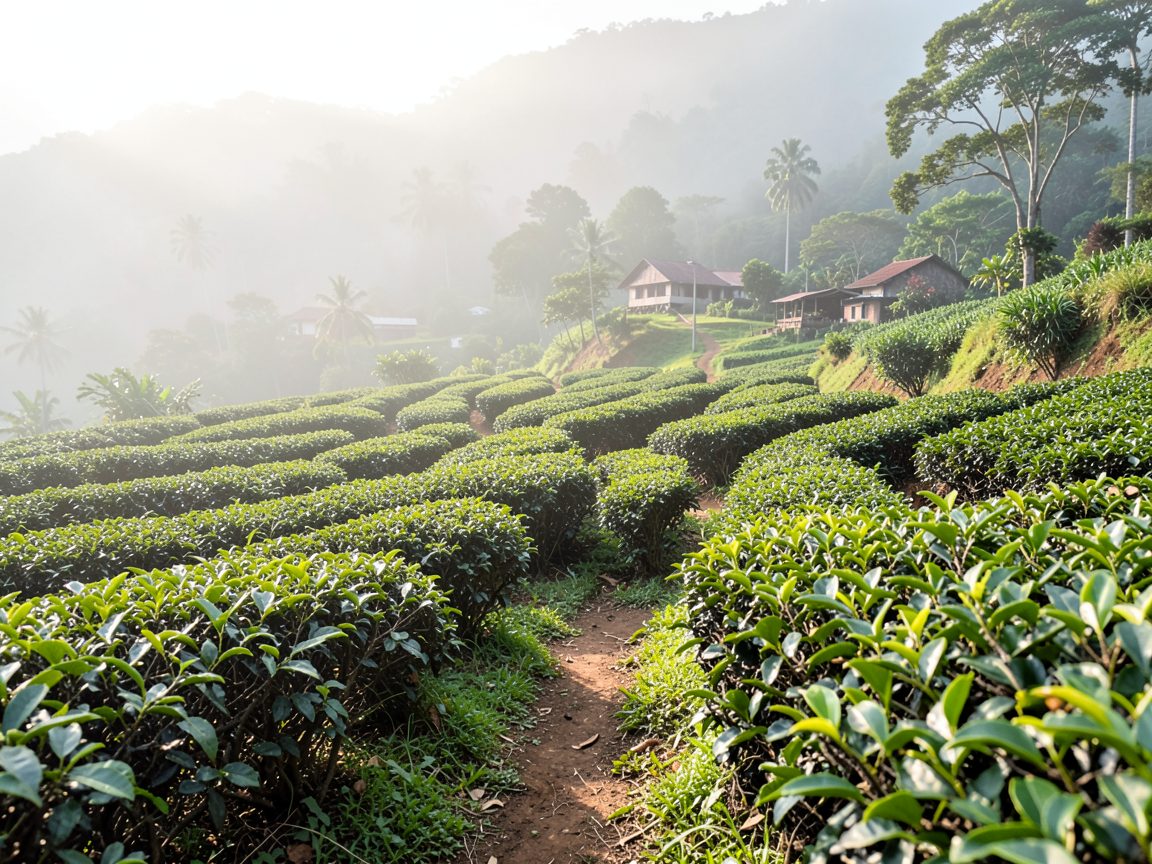
According to Wikipedia, the Indian Tamils predominantly descend from workers sent from South India to Sri Lanka in the 19th and 20th centuries to work in coffee, tea and rubber plantations. Wikipedia distinguishes them from the Sri Lankan Tamils, who are native to the island. Many came as labourers; a smaller trading community also arrived.
Wikipedia's coffee production in Sri Lanka article records that Tamil labour from South India was recruited from the 1830s. On arrival, workers were quarantined and vaccinated before being sent on to estates to work or to clear land for new ones.
Life on the estates
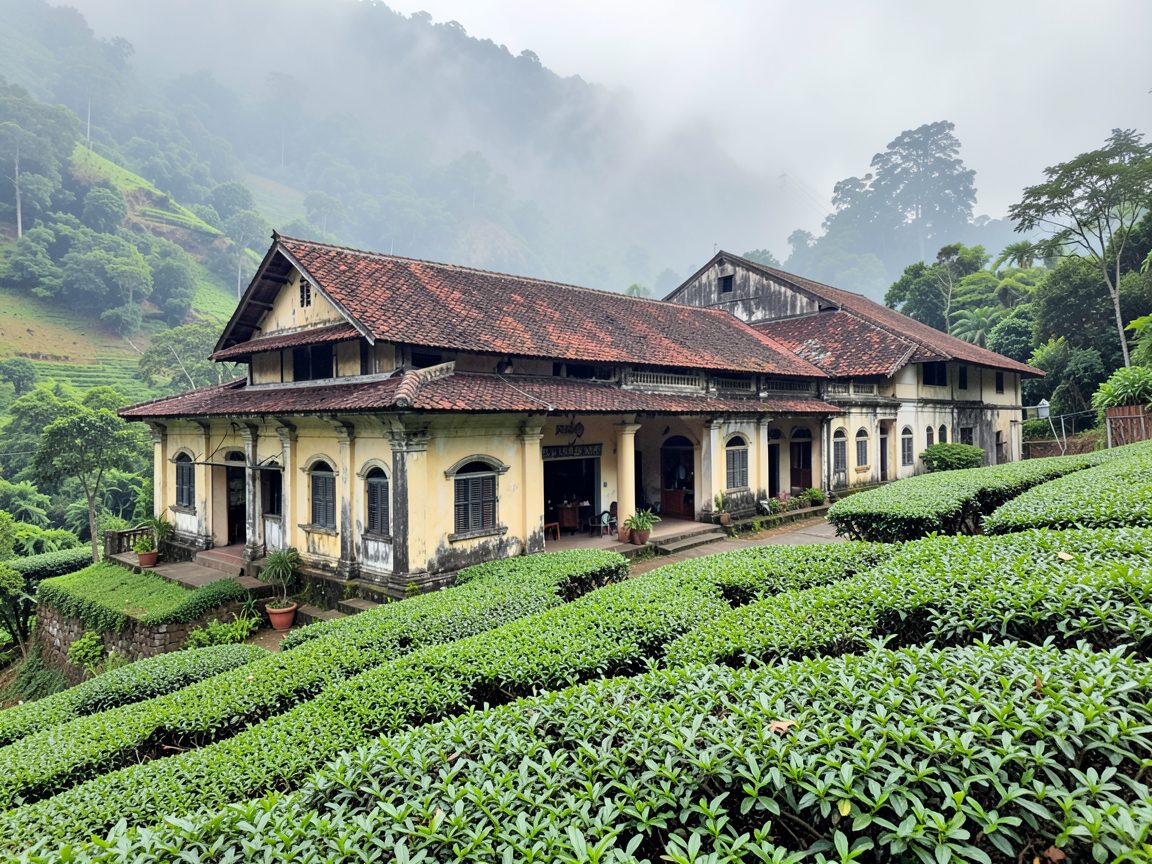
Wikipedia describes the tea factory as the centre of plantation life, surrounded by the quarters of staff and workers, with a social structure resembling South Indian rural society. It notes that for many decades the housing, health and education of plantation workers was neglected, and that plantation labour was for a long time the most deprived population group in the country.
- 1921: workers were empowered to break the bonds of indebtedness that tied them to estates.
- 1927: the minimum wages ordinance was extended to plantation labour.
- 1940s: trade unions organised plantation workers.
Citizenship
After independence in 1948, the Ceylon Citizenship Act of 1948 and the Indian-Pakistani Citizenship Act of 1949 disenfranchised many Indian Tamils, according to Wikipedia. The Sirima–Shastri Pact of 1964 and a 1974 supplementary agreement led to the repatriation of around 600,000 people of Indian origin to India, while leaving many stateless.
Citizenship was later extended in stages; Wikipedia notes that by the 1990s most Indian Tamils had received Sri Lankan citizenship, though some did not until 2003.
Today
Wikipedia notes the community remains instrumental in Sri Lanka's plantation economy. It also describes the Plantation Human Development Trust and non-governmental organisations working on rights and facilities for plantation communities. The Sri Lanka Tea Board states that the industry's code covers worker welfare, including free housing and health care for the labour force, and that international organisations such as Fairtrade, the Ethical Tea Partnership and the Rainforest Alliance operate in Sri Lanka.