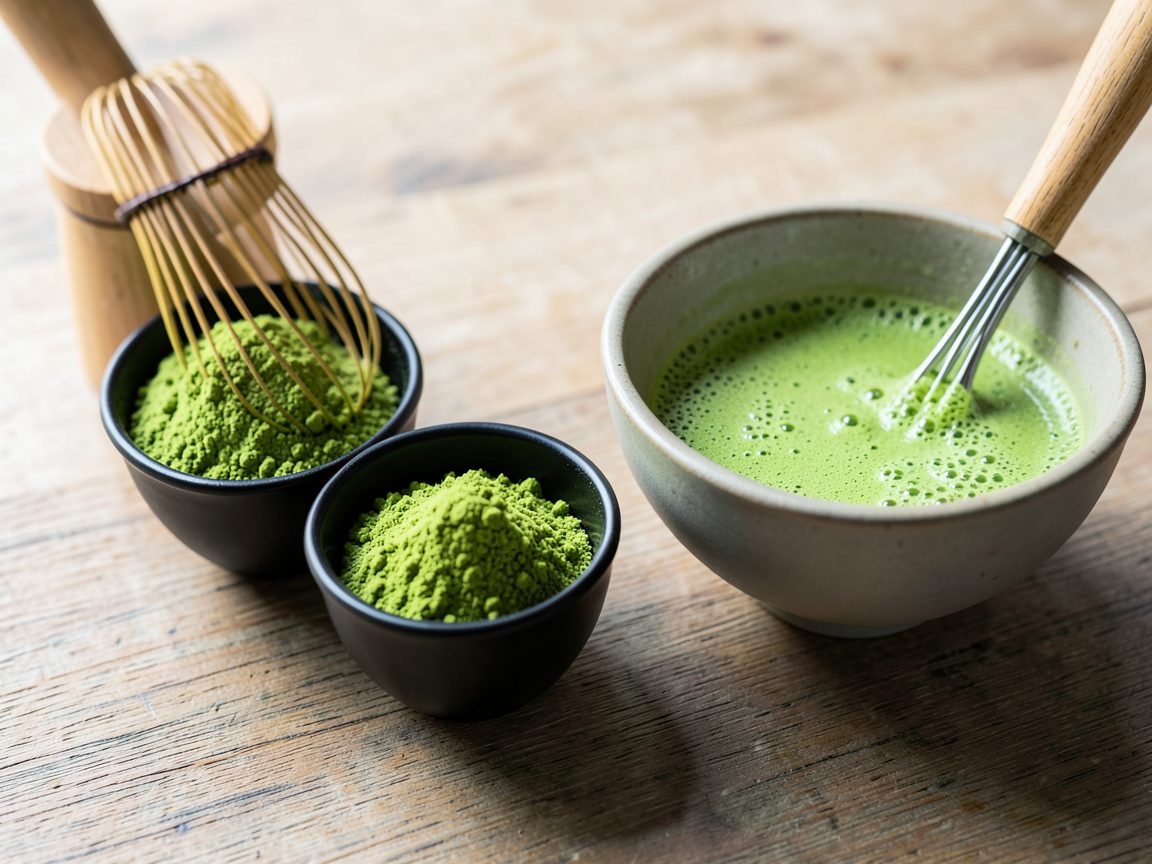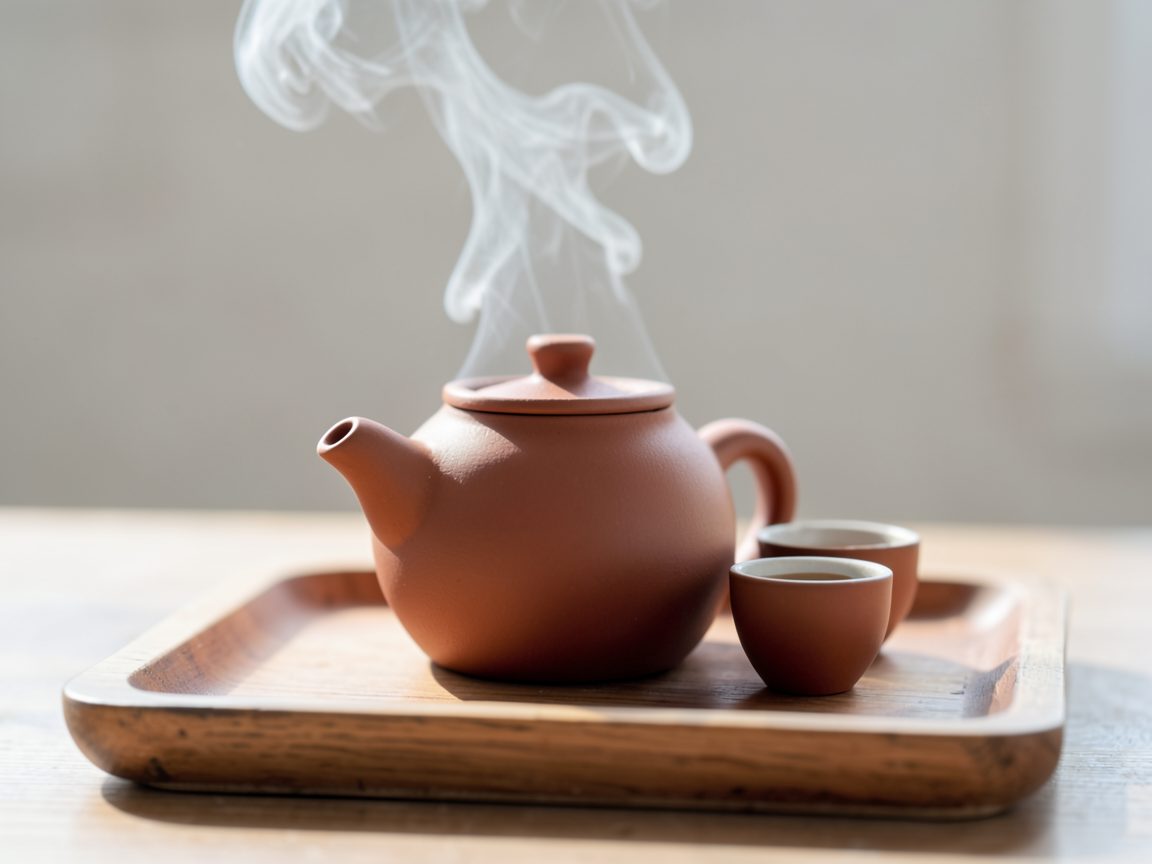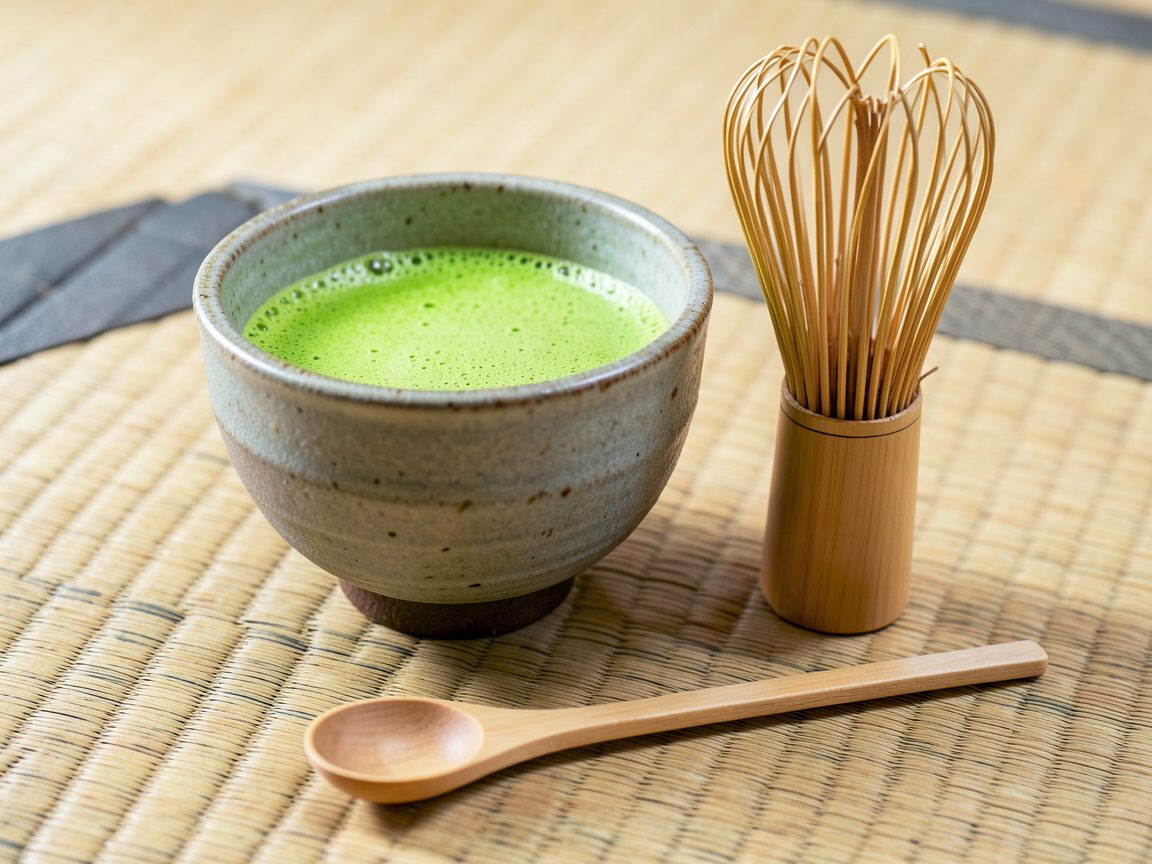
The Japanese tea ceremony is known as chanoyu ("hot water for tea") or sadō / chadō ("the way of tea"). It centres on preparing and serving matcha, powdered green tea.
This article summarises Wikipedia's article on the Japanese tea ceremony.
- Names: chanoyu, sadō or chadō — "the way of tea"
- Tea used: mainly matcha
- First documented tea in Japan: 815, served by monk Eichū
- Powdered tea introduced: by Eisai, late 12th century
- Key figure: Sen no Rikyū, 1500s
What is the tea ceremony?
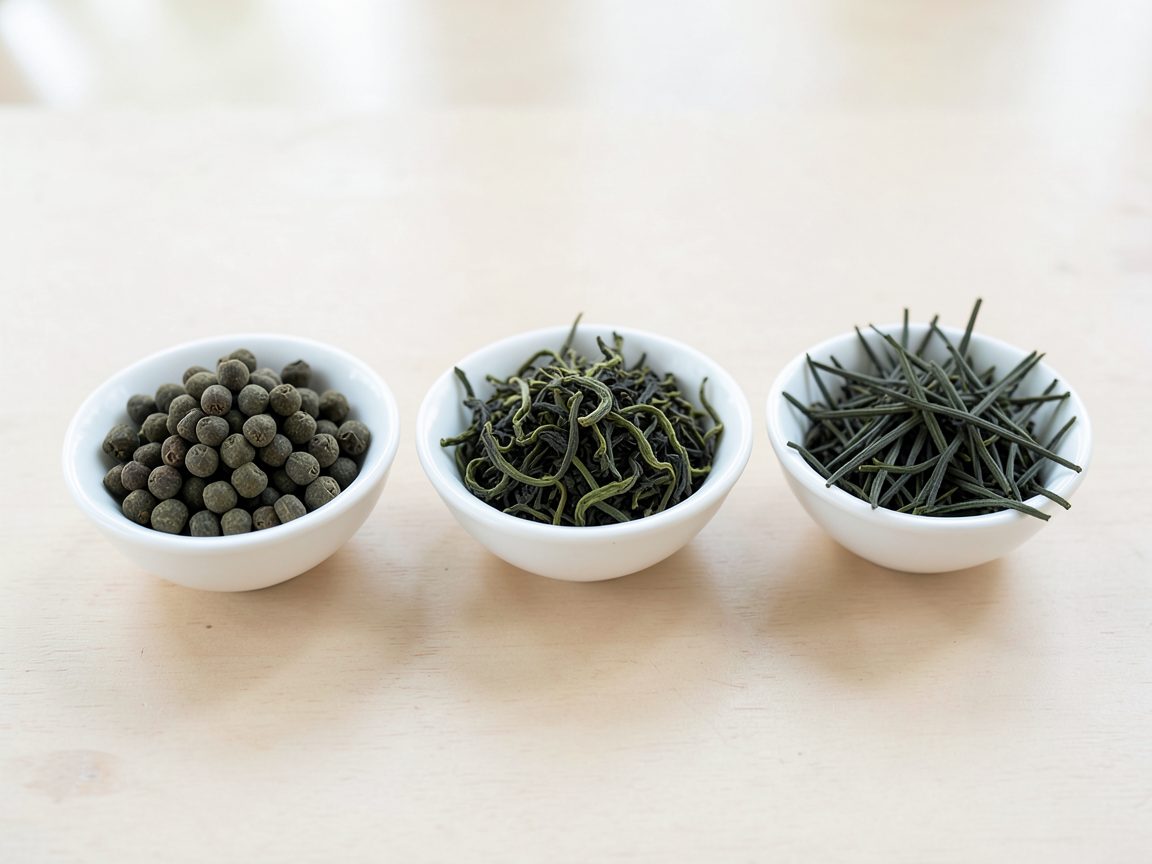
The ceremony focuses on the presentation and serving of matcha; the procedure is called temae. Much less commonly, leaf tea — primarily sencha — is used, a practice called senchadō. The English term "Teaism" was coined by Okakura Kakuzō to describe the worldview associated with the way of tea.
History
- 815: the first documented evidence of tea in Japan describes the Buddhist monk Eichū preparing and serving sencha to Emperor Saga.
- 816: by imperial order, tea plantations began in the Kinki region, though interest later faded.
- Late 12th century: the monk Eisai, returning from China, introduced tencha — powdered tea whisked with hot water — and brought tea seeds.
- 1500s: Sen no Rikyū revolutionised Japanese tea culture, elevating the ceremony to an art form.
Sen no Rikyū and wabi
According to Wikipedia, Sen no Rikyū redefined the rules of the tea house, garden, utensils and procedures. He introduced much smaller tea houses (chashitsu) and rustic ceramic tea bowls, and emphasised the aesthetic of wabi. His great-grandchildren founded the Omotesenke, Urasenke and Mushakōjisenke schools, which continue today.
Zen and Shinto influences
Wikipedia notes that Zen Buddhism and Shinto greatly influenced Japanese tea culture. Purifying hands and mouth before the ceremony reflects the Shinto ritual of misogi, and Buddhists used tea to stay awake during long meditations.
Chakai and chaji
| Chakai | Chaji | |
|---|---|---|
| Formality | Informal tea gathering | Formal tea event |
| What's served | Confections, thin tea, perhaps a light meal | Full kaiseki meal, confections, thick tea and thin tea |
| Length | Relatively short | Up to four hours |
Chanoyu is less about drinking tea than about the care with which it is made and shared.
About matcha
The ceremony uses matcha, a shade-grown powdered green tea. Read Matcha Explained.