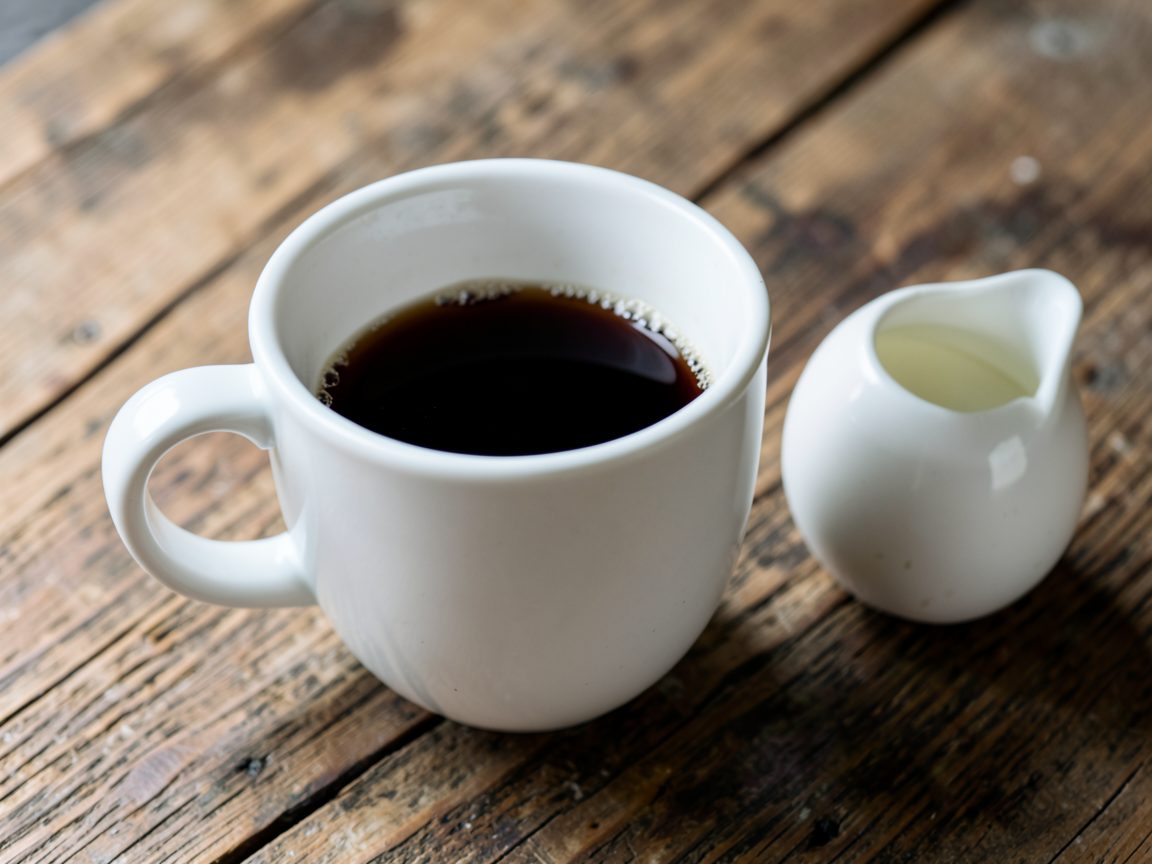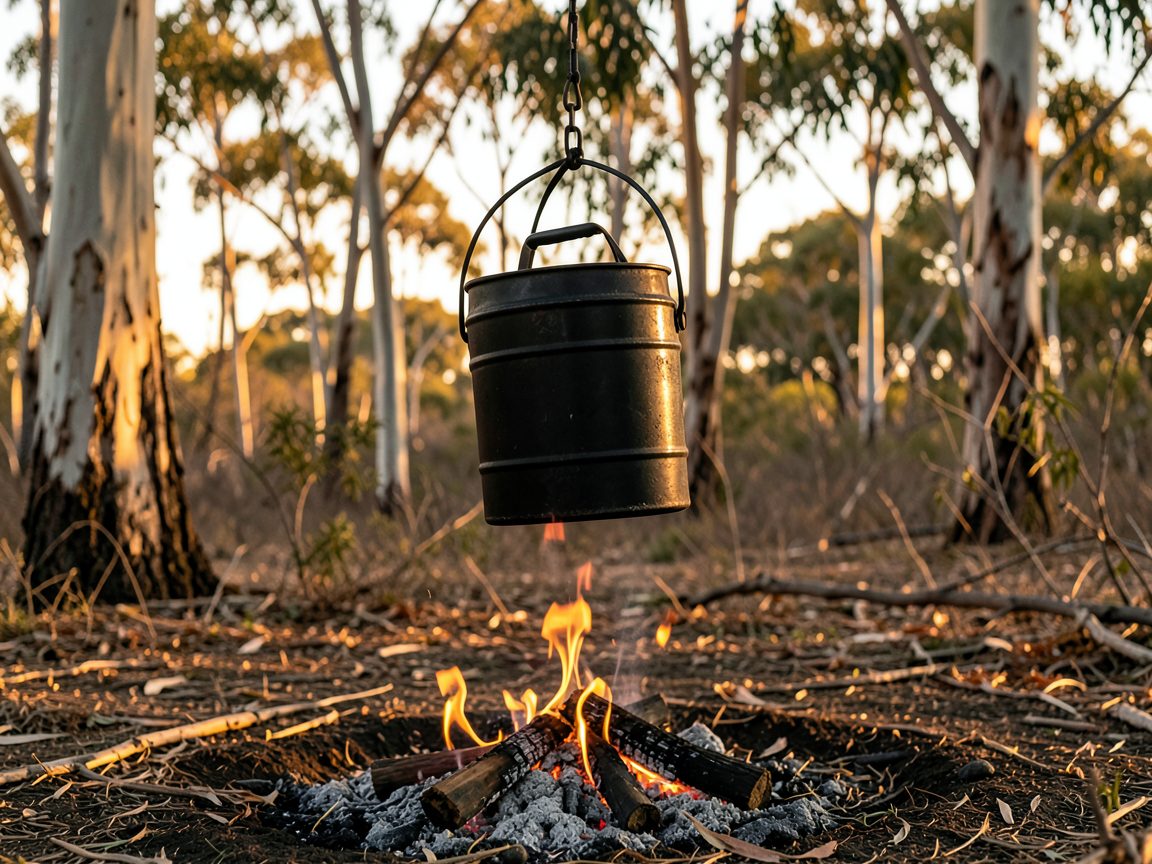
To "boil the billy" means, quite simply, to make a cup of tea. The billycan has become a symbol of the Australian bush.
This article draws on Wikipedia's articles on the billycan and tea in Australia.
- Billy: a lightweight metal pot for boiling water
- Likely origin: "bouilli can"
- Earliest known use for a kettle: 1848, Tasmania
- Tradition: a gum leaf added for flavour
- Song: the swagman's billy in "Waltzing Matilda"
What is a billy?
Wikipedia describes a billycan as an Australian term for a lightweight cooking pot in the form of a metal bucket, used for boiling water, making tea or coffee, cooking over a campfire or carrying water. The term is particularly associated with Australia, and also used in New Zealand and, to a lesser extent, Britain and Ireland.
Where does the word come from?
There is a suggestion that it may be linked to an Aboriginal word billa (water), but Wikipedia says it is widely accepted that "billycan" comes from "bouilli can" — the empty canisters used for preserving soup and boiled meat (bouilli), which were repurposed with a handle for boiling water.
- 1835: a record of "an empty preserved-meat-canister serving the double purpose of tea-kettle and tea-pot".
- 1848: the earliest known use of "billy" for a kettle, in a Tasmanian newspaper report of a criminal trial.
- 1850s: gold diggers wrote home about their billies; by 1855 tin billies were sold in Melbourne, and by 1859 they were manufactured in Australia.
A symbol of the bush
Wikipedia notes that the billy came to symbolise the spirit of exploration of the outback and bush life, and features in many of Henry Lawson's stories and poems. In "Waltzing Matilda", the swagman sings as he waits "'til his billy boiled".
Wikipedia's tea in Australia article adds that boiling water for tea over a campfire and adding a gum leaf for flavouring remains an iconic traditional Australian method, and that tea was a staple drink of the colonial period.
A tin can, a campfire and a gum leaf — billy tea is the bush in a cup.
Tea in Australian life
- Aboriginal Australians drank infusions of Leptospermum species — the plants now called "tea tree".
- Tea arrived with the First Fleet in 1788.
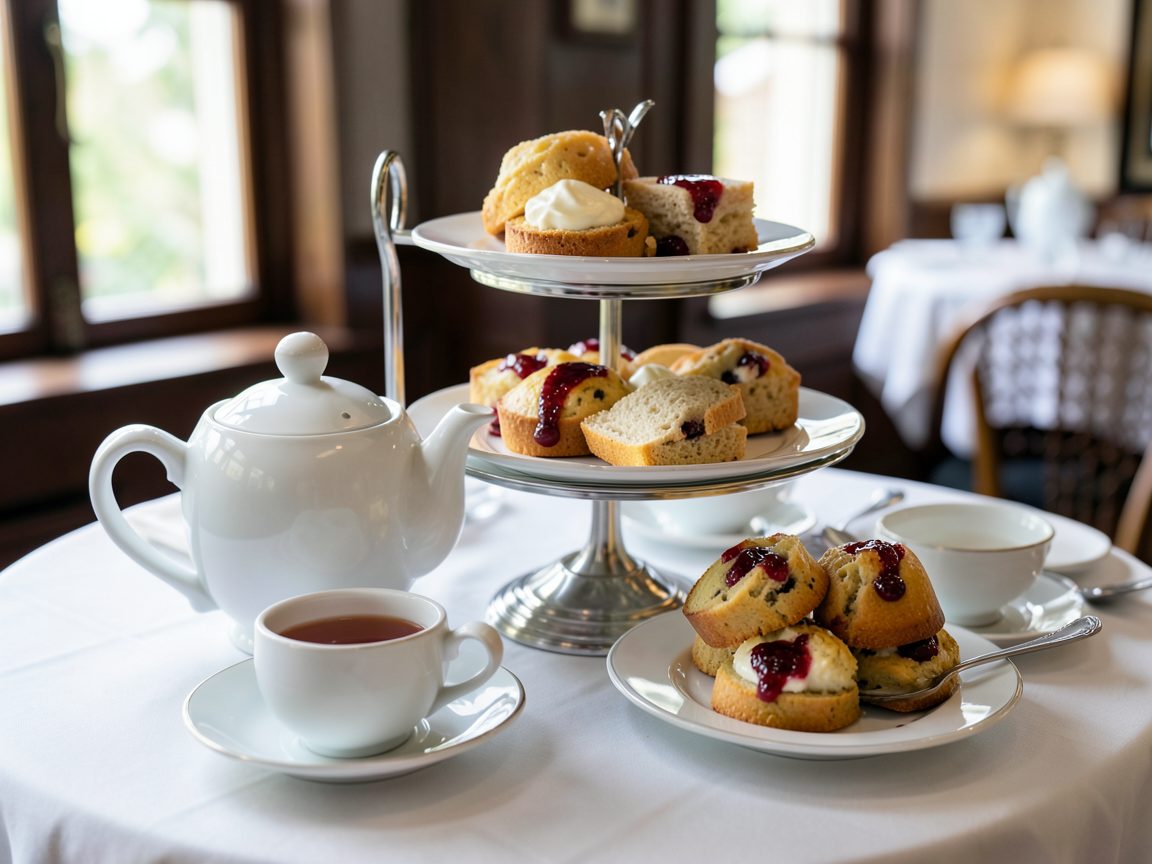
- Australian tea culture remains similar to British tea culture, with morning and afternoon tea — see Afternoon Tea.
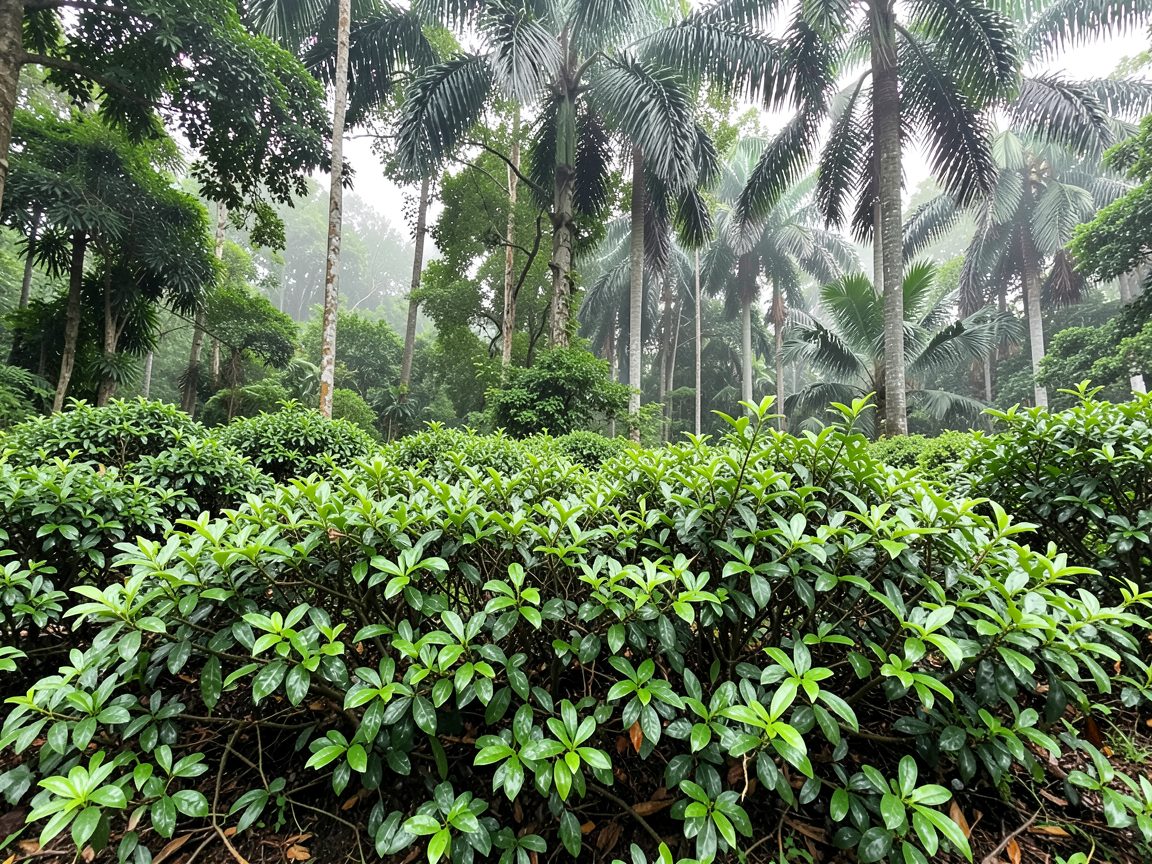
- Small amounts of tea are grown in Australia, mainly in northern New South Wales and Queensland.
A note on gum leaves
If you try the gum-leaf tradition, be sure you can identify the leaf correctly and that it hasn't been sprayed. When in doubt, leave it out.