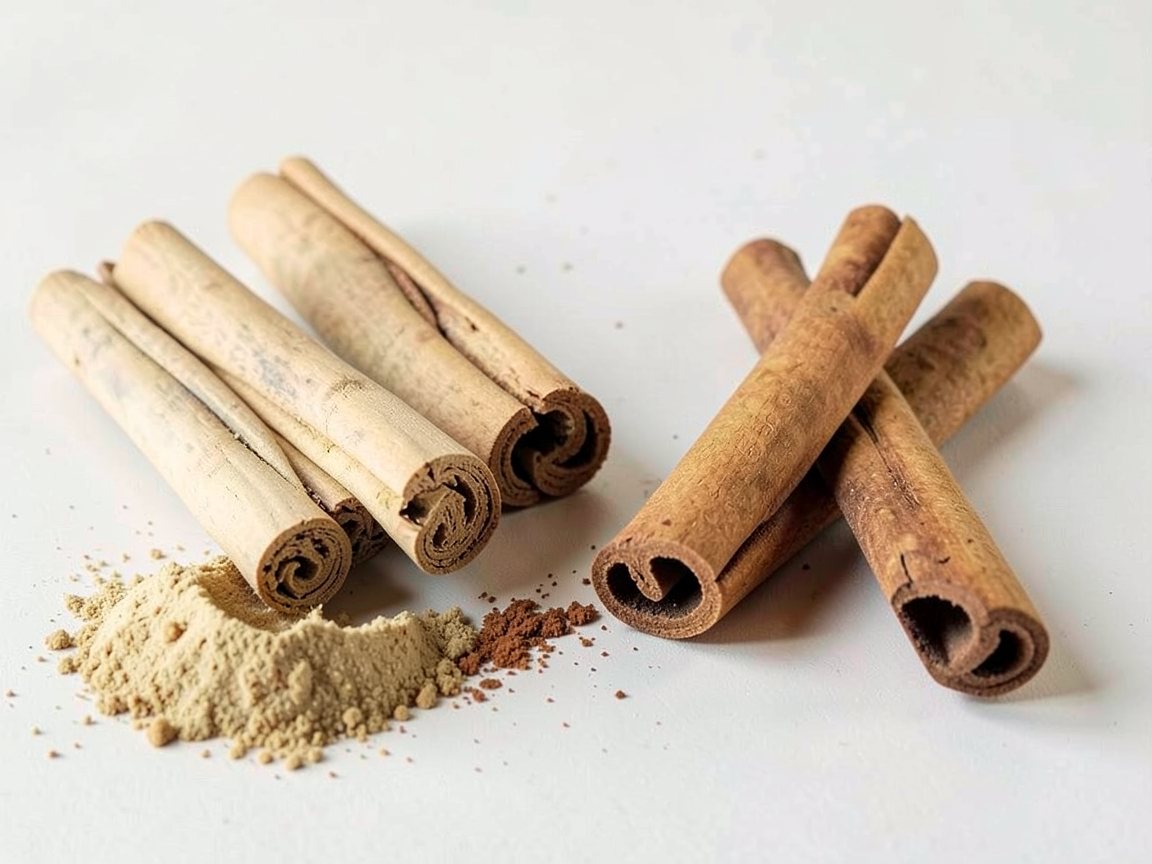
Ceylon cinnamon and cassia are both sold as "cinnamon", but they behave differently in the kitchen. Wikipedia's cinnamon article describes Ceylon cinnamon as subtle and more aromatic in flavour than cassia.
In this article
At a glance
- Ceylon vs cassia: Ceylon is subtler and more aromatic
- In cooking: Ceylon loses much of its flavour with long cooking
- Cassia: strong and spicy; handles baking well
- Main flavour compound: cinnamaldehyde
- Store: airtight, cool, dark
Ceylon vs cassia in cooking
| Ceylon cinnamon | Cassia | |
|---|---|---|
| Flavour (Wikipedia) | Subtle and more aromatic | Strong and spicy |
| In cooking | Loses much of its flavour during cooking | Handles baking conditions well |
| Coumarin | Only traces | Much higher — see Coumarin Explained |
Because Ceylon cinnamon loses flavour with long cooking, a practical tip is to add some towards the end of cooking, or sprinkle it over finished dishes, to keep its aroma.
Sticks or powder?
- Sticks (quills) are good for infusing — in tea, mulled drinks, rice, curries, poaching liquids and custards — and are removed before serving.
- Powder blends straight into batters, doughs, porridge and spice mixes. Ceylon cinnamon powder packs describe it as more suitable for baking and cooking.
How cinnamon is used around the world
Wikipedia lists a wide range of uses:
- Sweet and savoury dishes: biscuits, breakfast cereals, snack foods, bagels, hot chocolate and traditional foods.
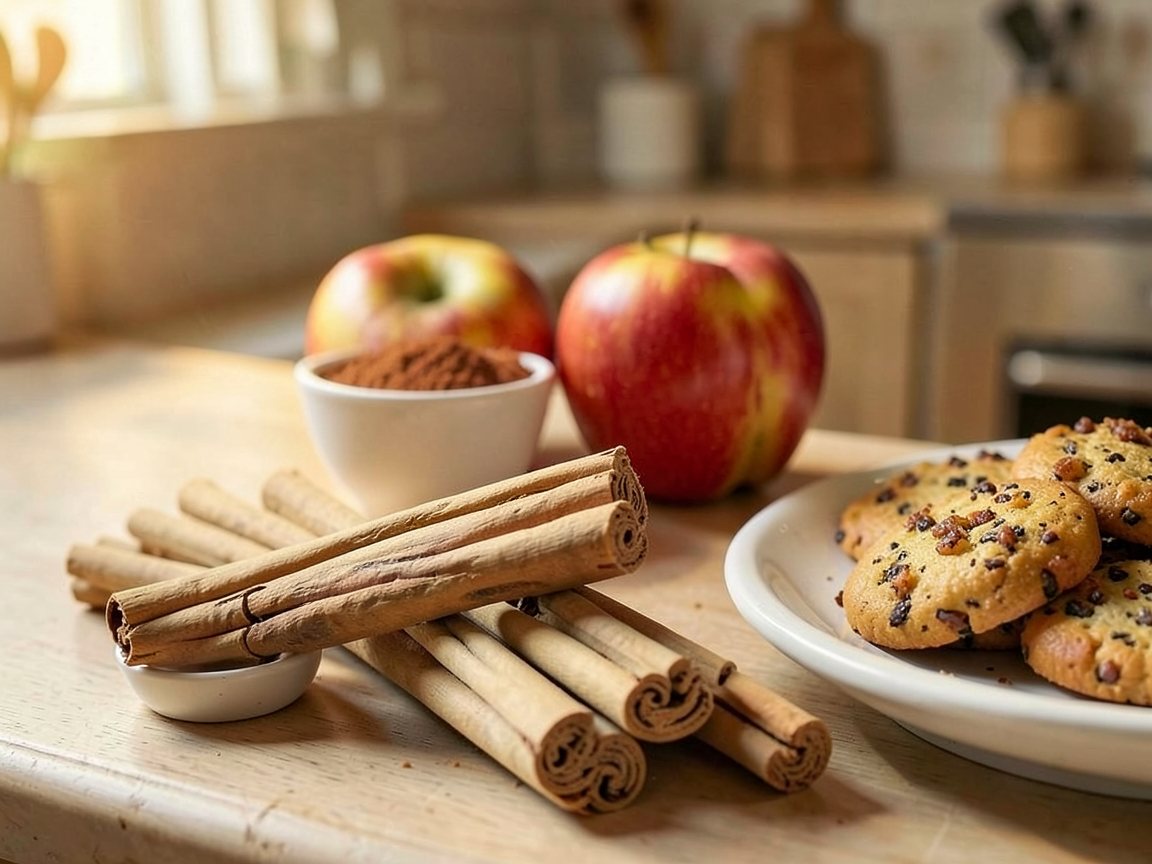
- US and Europe: cinnamon and sugar on cereals, toast and fruit, especially apples.
- Persian cuisine: thick soups, drinks and sweets.
- Medieval Europe: cameline sauce, one of the most common sauces of the Middle Ages.
- Drinks: teas, mulled drinks and liqueurs.
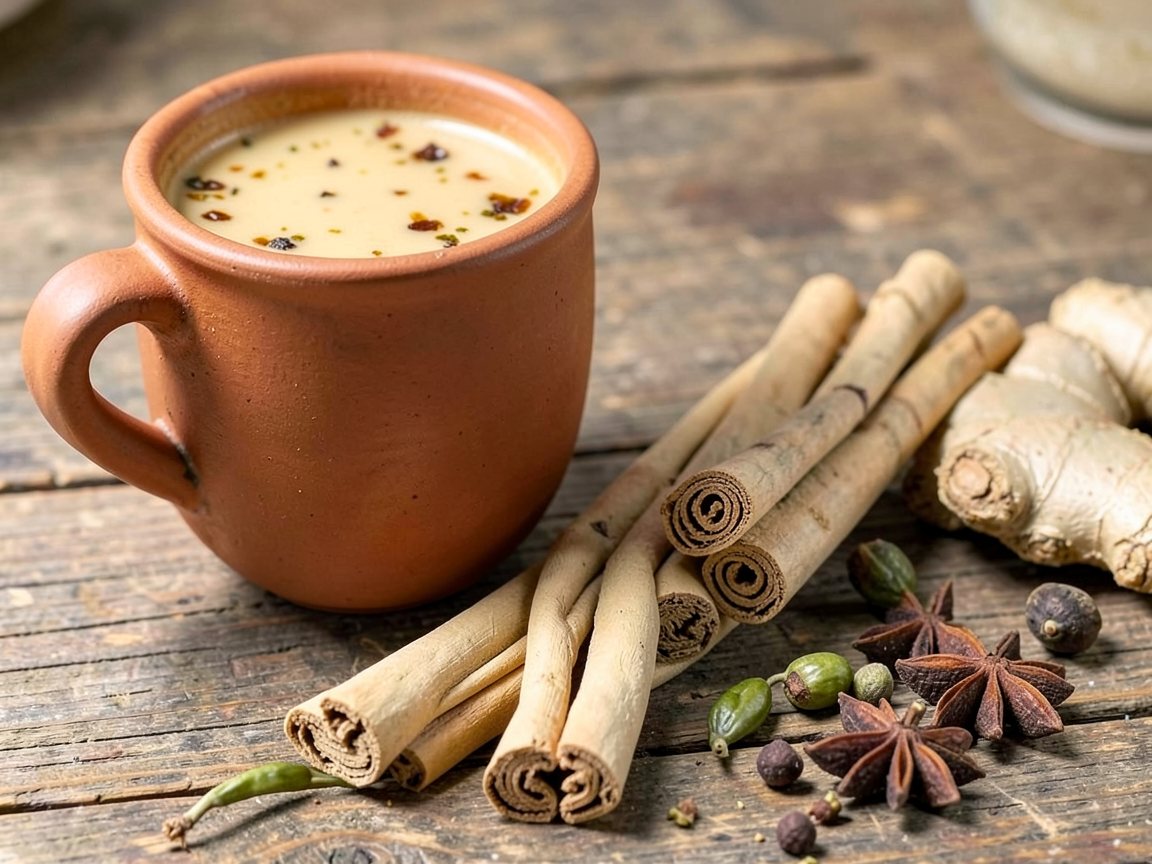
For spiced tea, see Masala Chai and Ceylon Cinnamon Tea.
Simple ideas
- Stir a little ground Ceylon cinnamon through warm porridge or yoghurt.
- Add a quill to the pot when cooking rice or a curry.
- Dust baked apples or pears with cinnamon just before serving.
- Stir coffee or hot chocolate with a cinnamon stick — a use listed on Ceylon cinnamon product packs.
Storing cinnamon
Ceylon cinnamon packs direct that cinnamon be stored "in an air-tight container in a cool, dark place away from heat & moisture".