A Tea Lover's Guide · Est. Australia
From the mist-covered highlands of Ceylon to the vivid ruby blooms of hibiscus — we explore the stories, flavours, history and rituals behind some of the world's most fascinating teas.
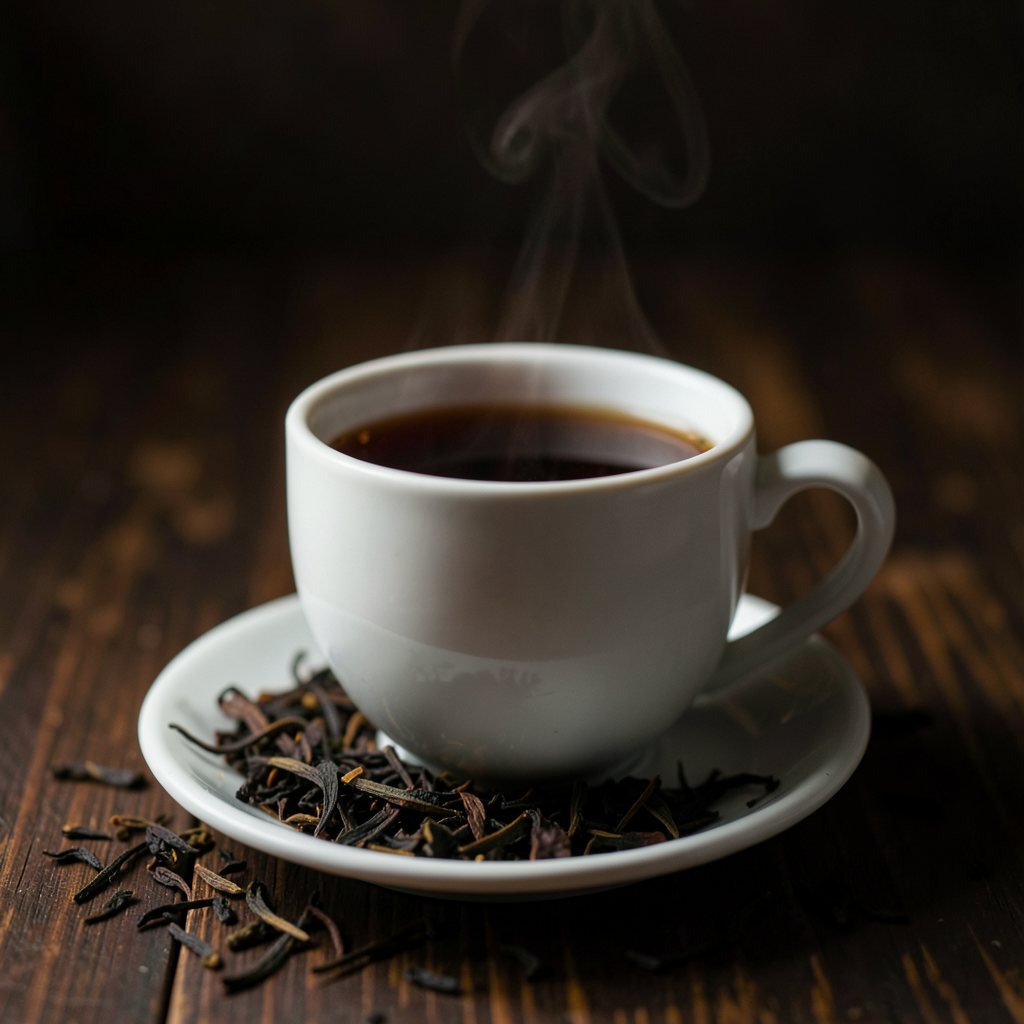
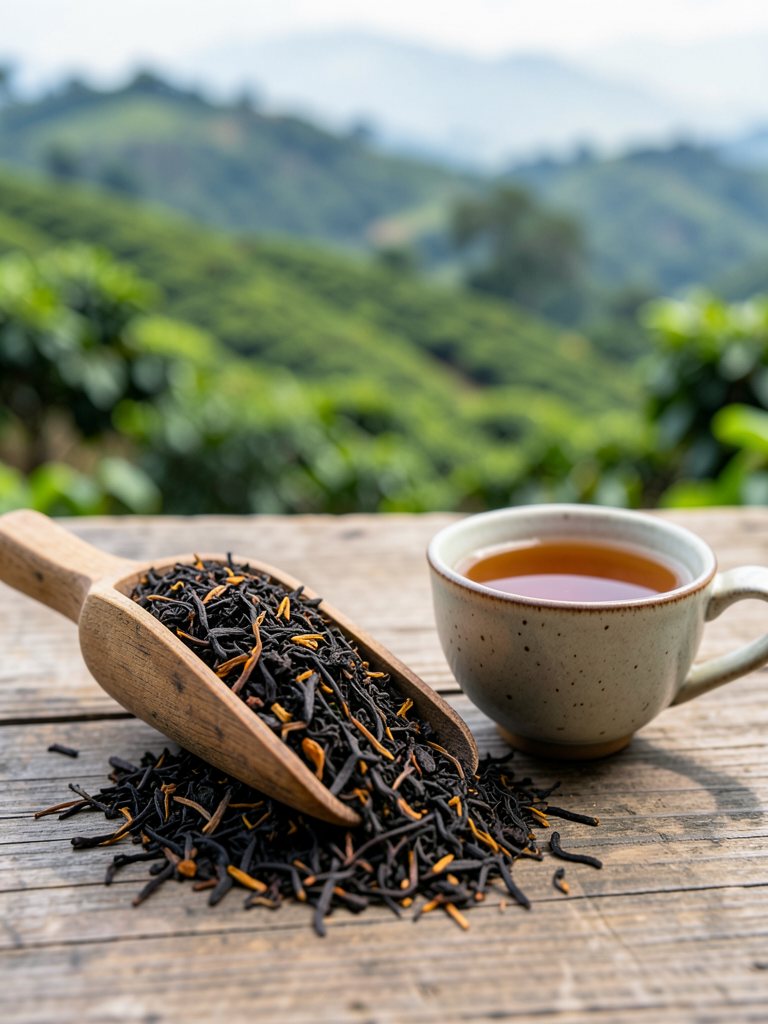
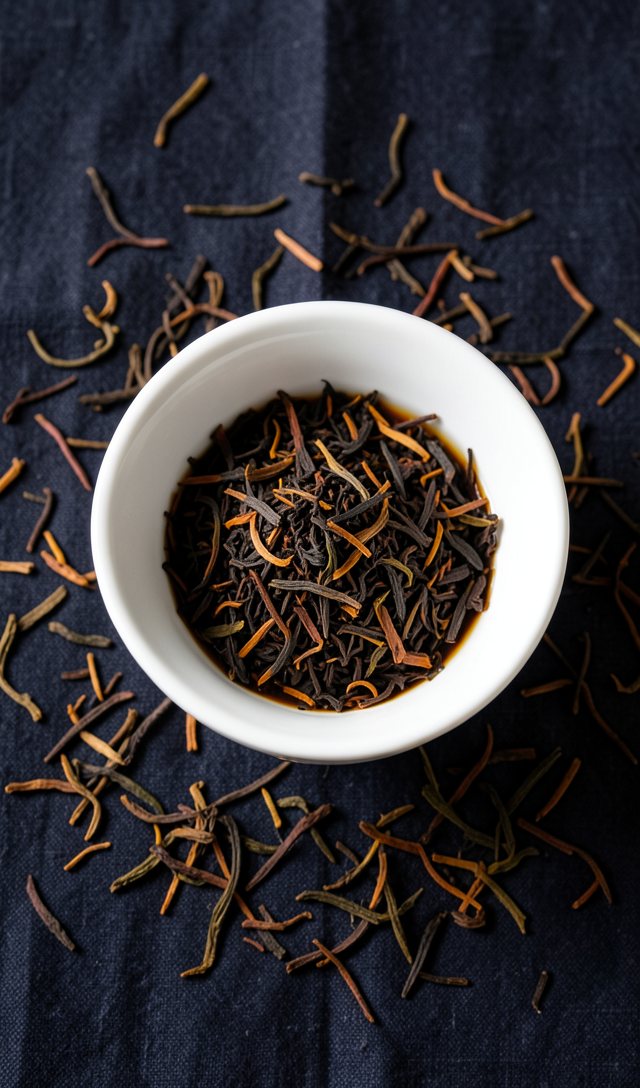
Orange Pekoe
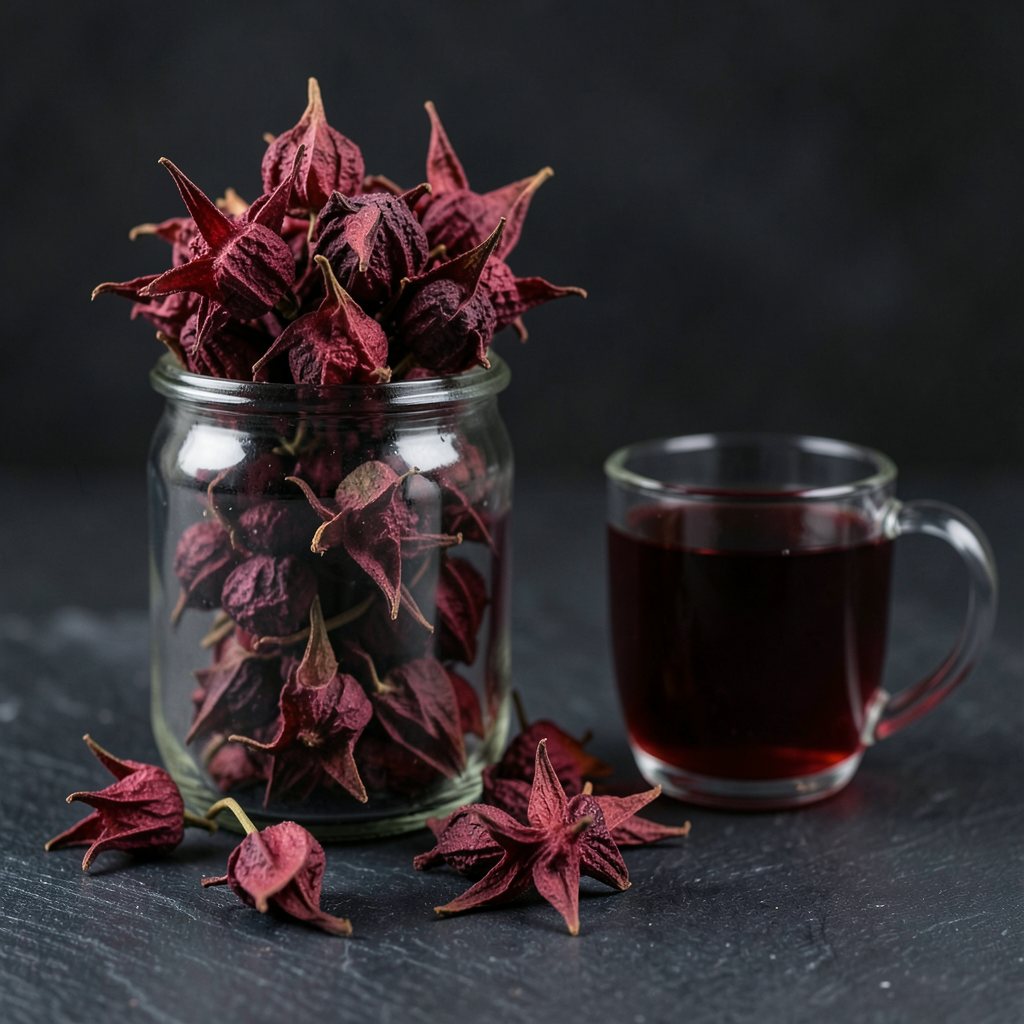
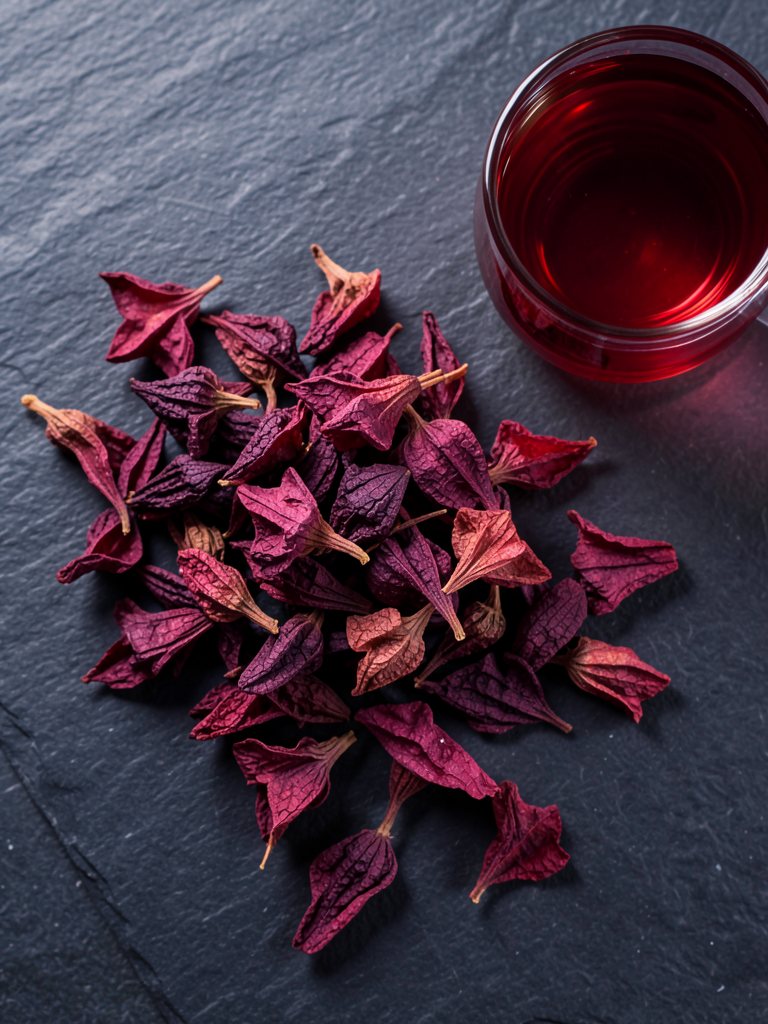
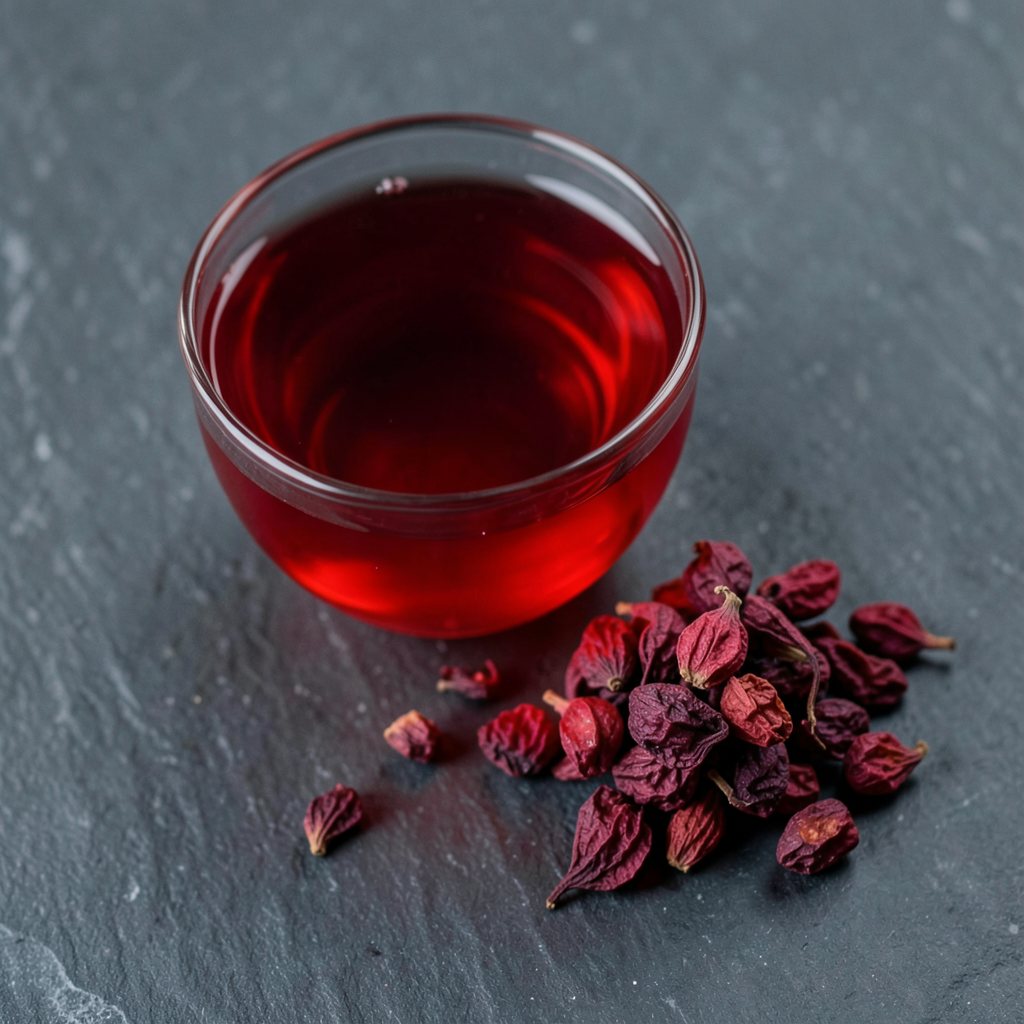
Hibiscus
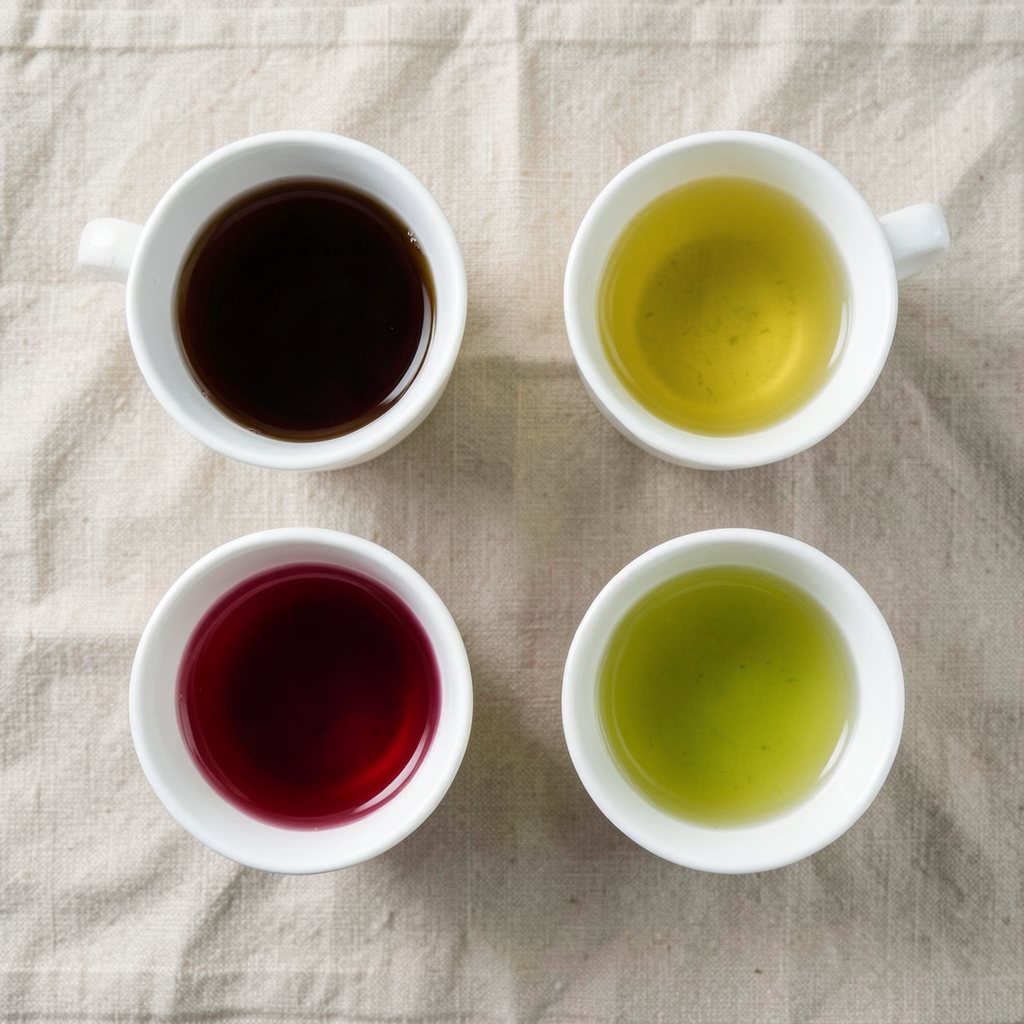
Despite its name, Orange Pekoe has nothing to do with oranges. As the Sri Lanka Tea Board puts it, Orange Pekoe "refers to a leaf size and not a flavour". Learn how Ceylon black tea is graded — OP, BOP, FBOP and more — how it is made, and what the grades mean in your cup.
Brewed from the dried calyces of the roselle flower (Hibiscus sabdariffa) — known in Australia as rosella — this crimson, caffeine-free infusion has a tart, cranberry-like flavour. Enjoyed from Cairo to Kingston, hot or over ice. We also look at what the research on blood pressure does and doesn't show.
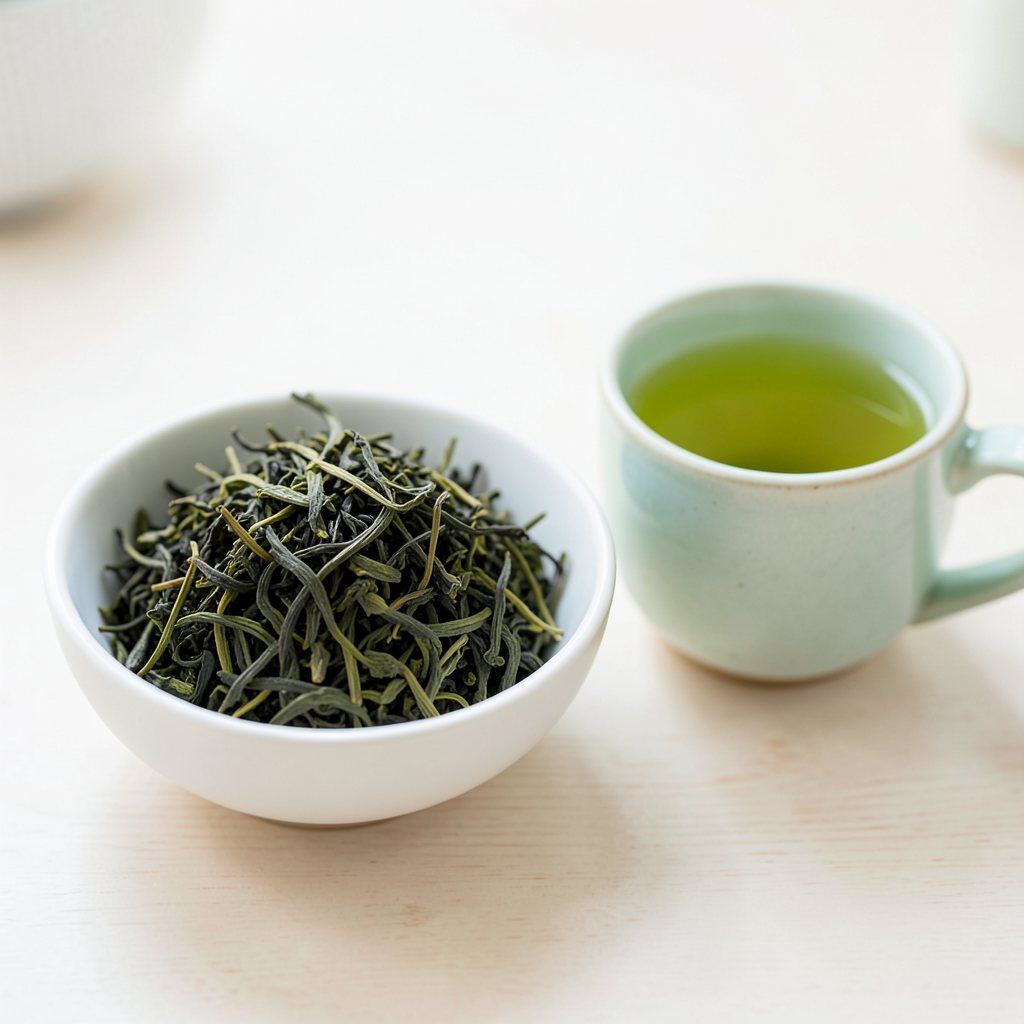
Sri Lanka is famous for black tea, but it has produced green tea for export since 1982, in gunpowder and sencha styles. How green tea differs from black tea, and how to brew it without bitterness.
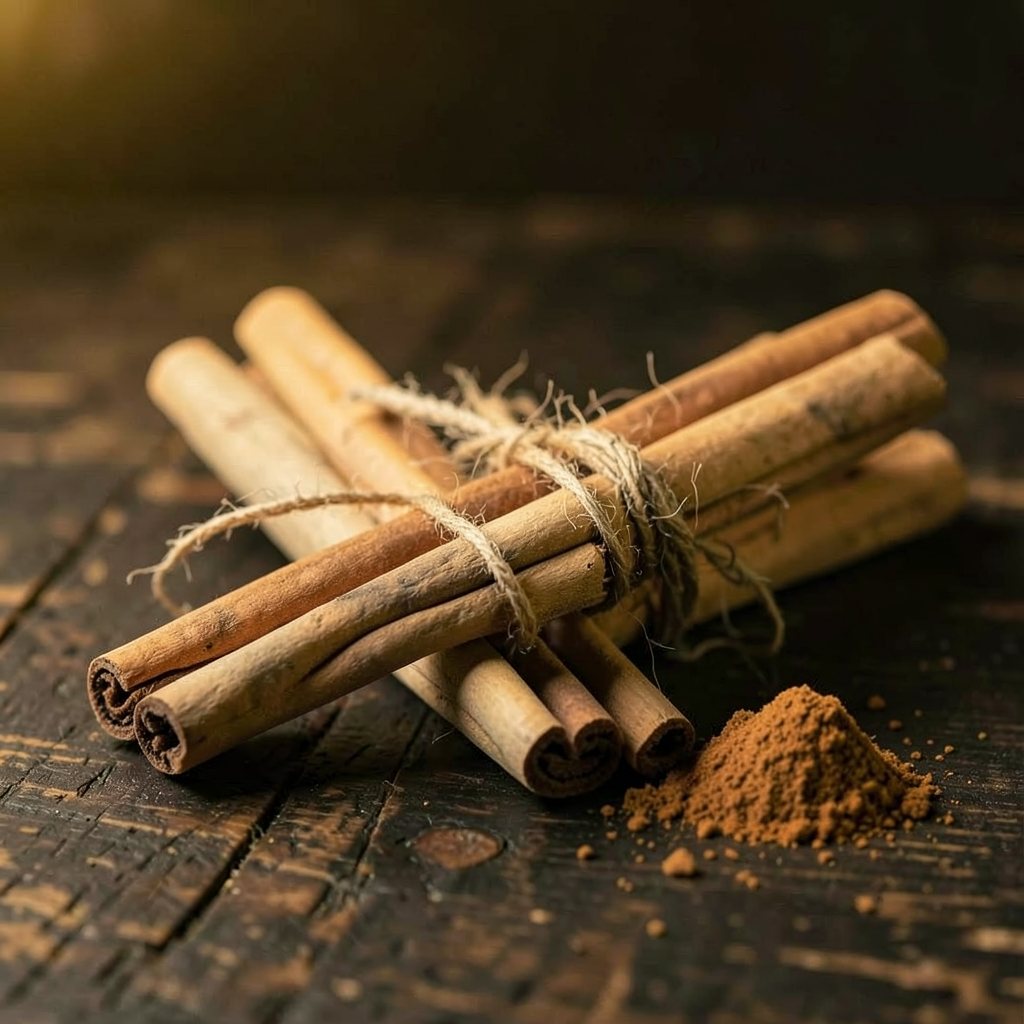
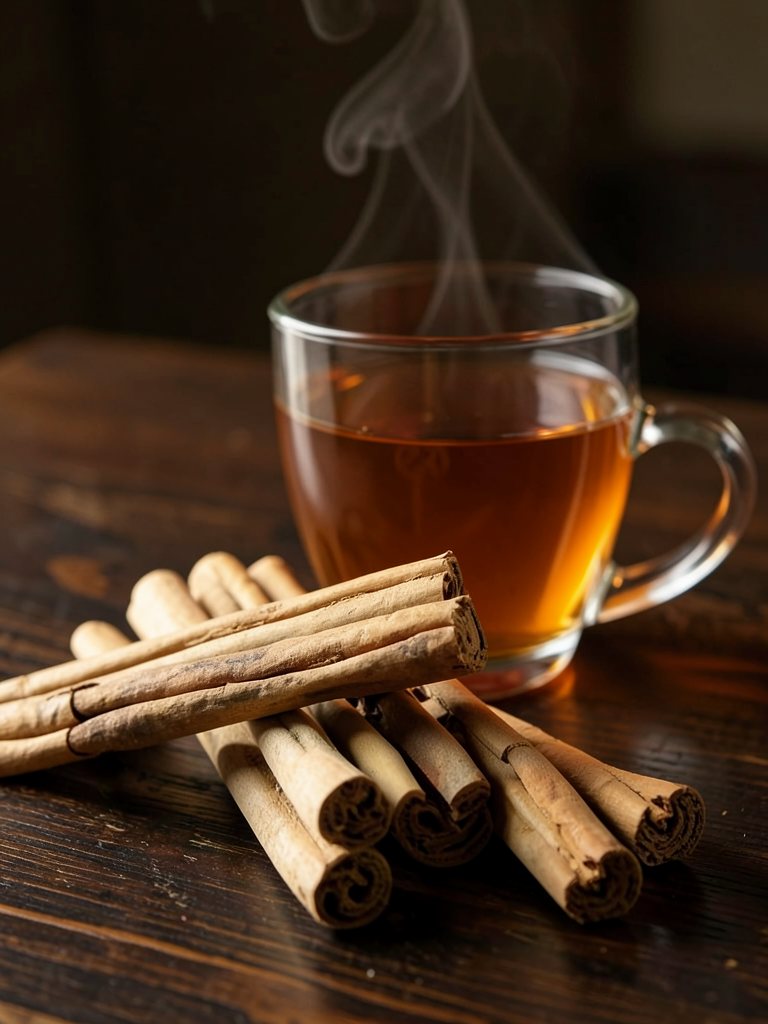
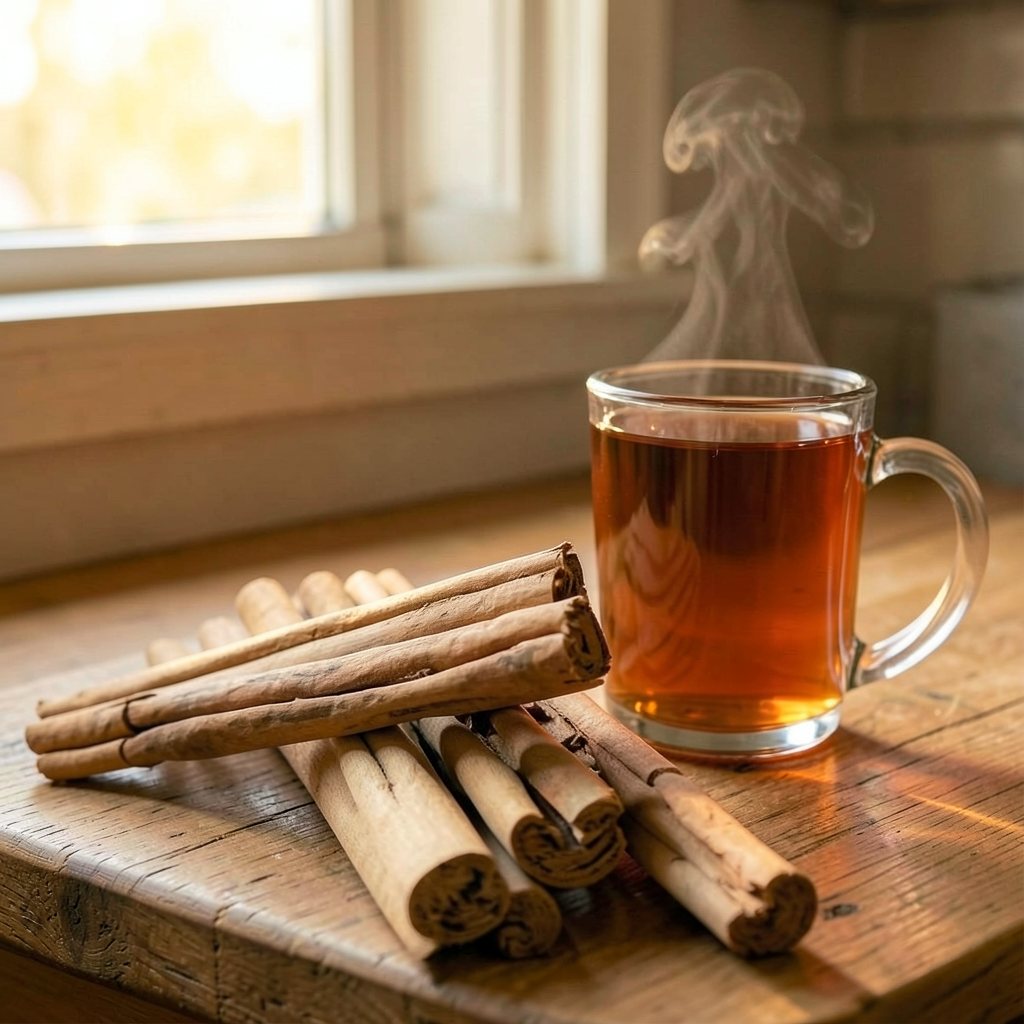
Most cinnamon in international trade is actually cassia. True Ceylon cinnamon (Cinnamomum verum) comes from Sri Lanka, which produces 80–90% of the world's supply. Learn how to tell them apart — and why the coumarin content matters.
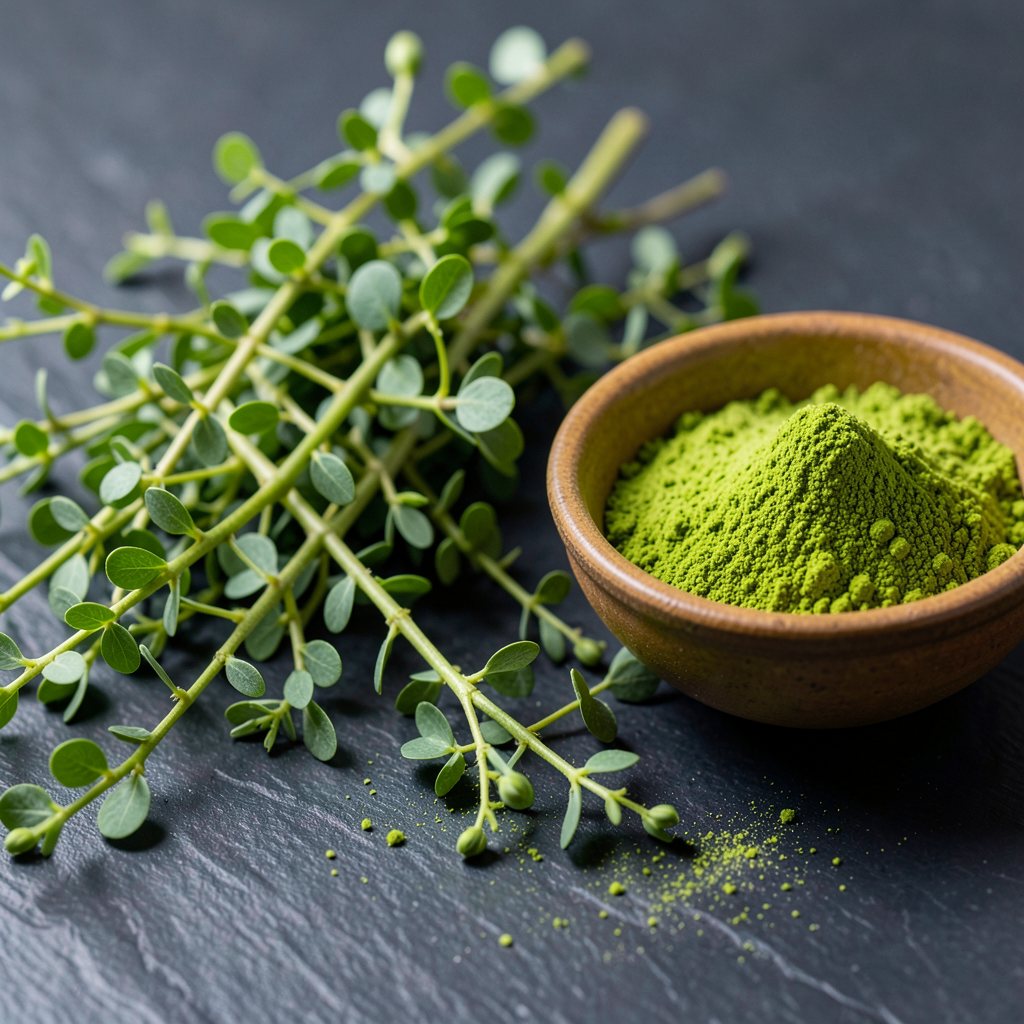
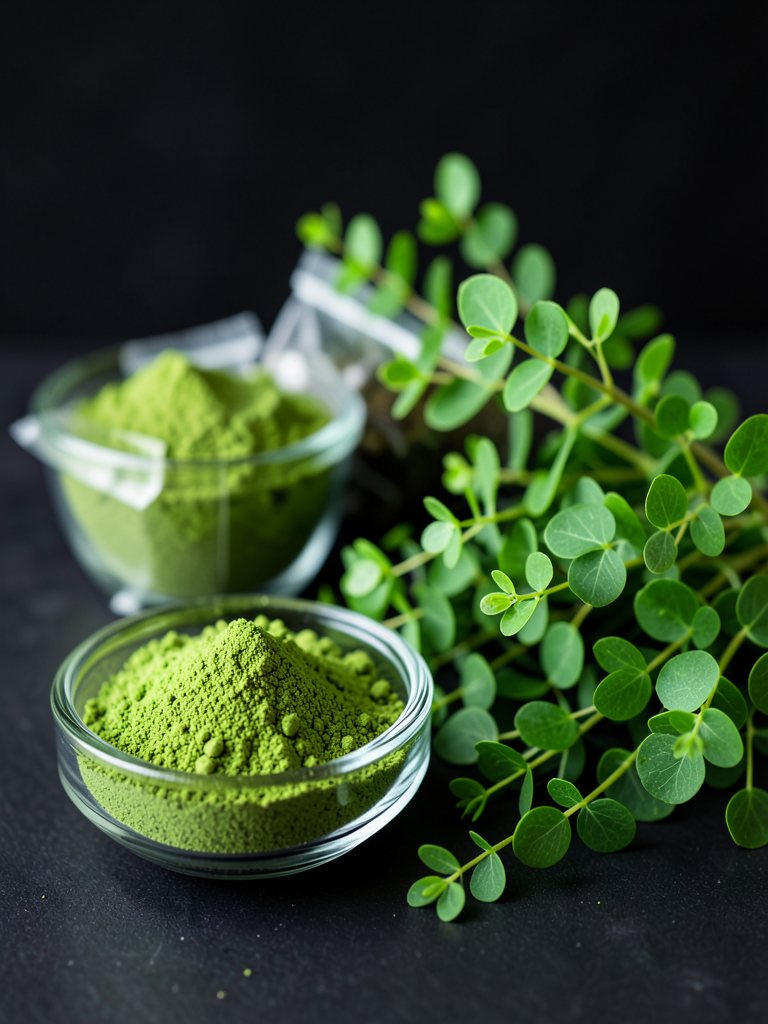
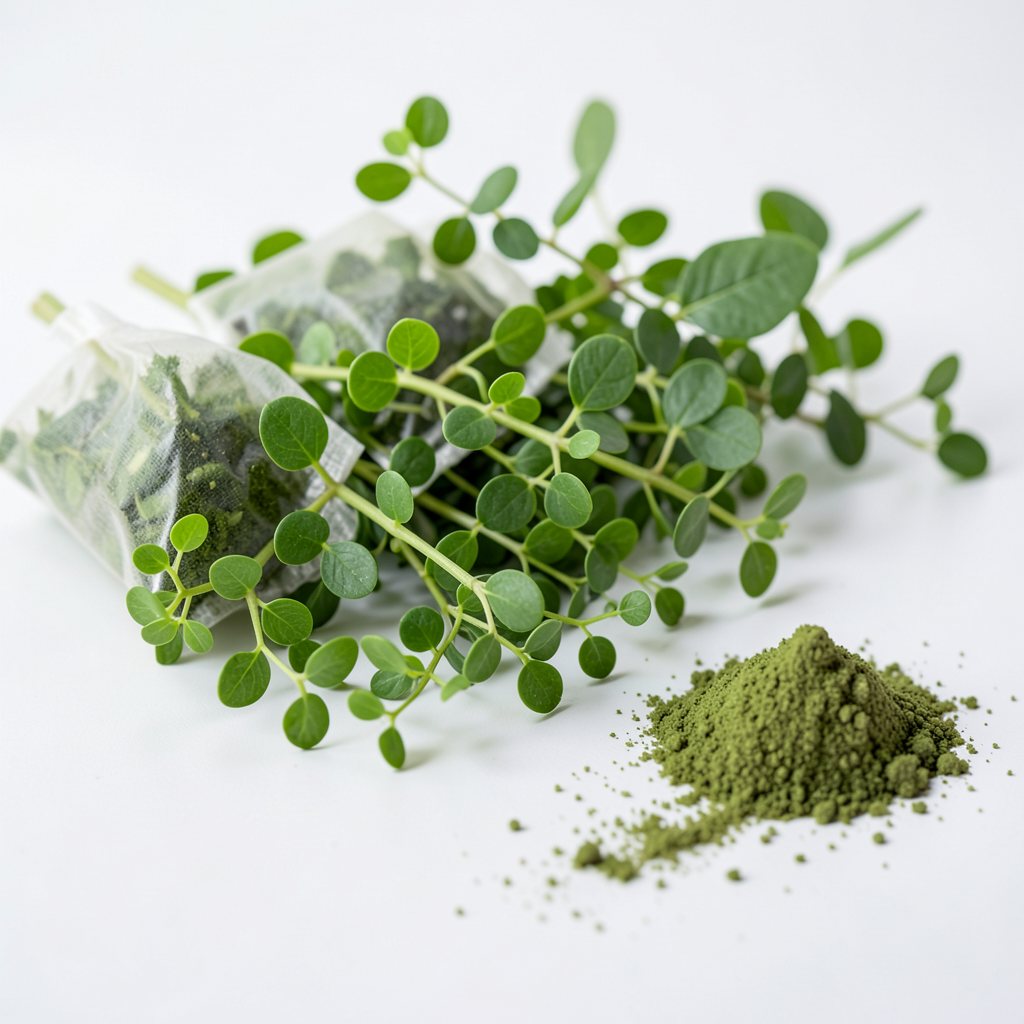
Moringa oleifera is a fast-growing tree native to northern India whose pods and leaves are used in South Asian cooking. Read what reliable sources say about it — including the November 2025 FSANZ decision that moringa is not permitted for retail sale as a food in Australia.
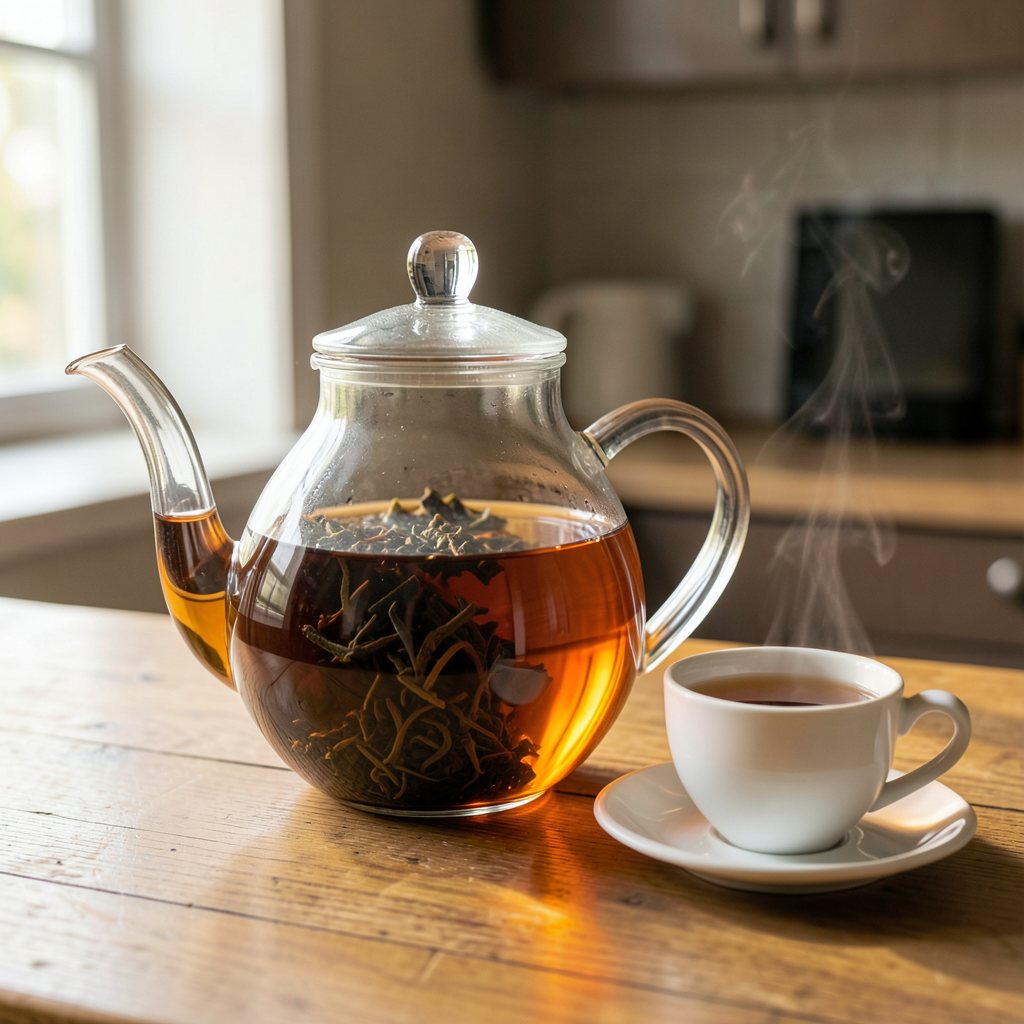
Water temperature, steep time and the amount of leaf all matter. Sourced guidelines for black, green, white, oolong and herbal teas — including why water that's too hot, or a steep that's too long, makes tea bitter.
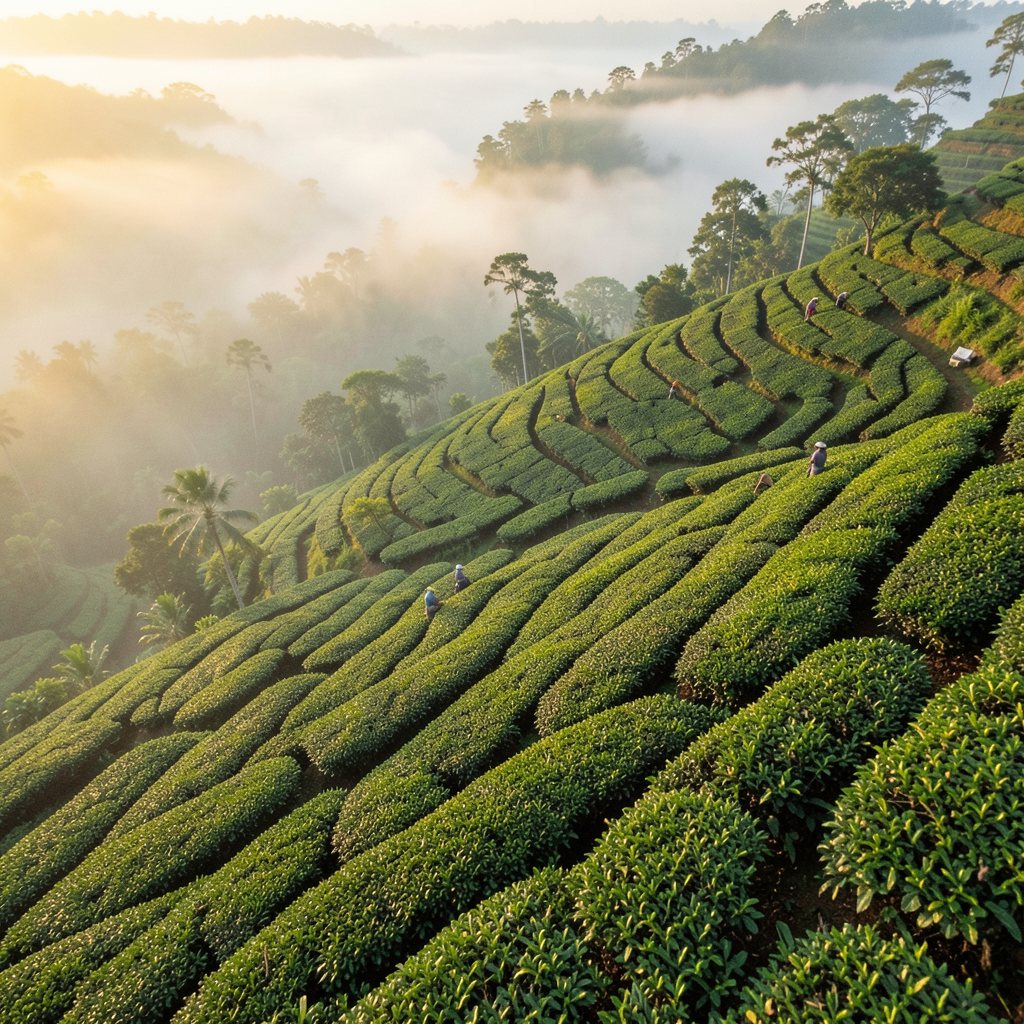
The Sri Lanka Tea Board describes seven tea regions. Nuwara Eliya, at over 6,000 feet, gives "the lightest and the most refined" teas; Kandy's mid-country teas are robust and full-bodied; low-grown Ruhuna teas are strong and rich. Meet all seven.
An honest summary of what reliable sources say about tea and health. In short: there is no high-quality evidence that tea has health effects beyond possibly increased alertness from caffeine. We cover caffeine guidance and the cautions worth knowing.
In 1867 James Taylor planted Sri Lanka's first tea plantation at Loolecondera, near Kandy. When coffee leaf rust devastated the island's coffee estates from 1869, planters turned to tea. Today Sri Lanka is the world's fourth-largest tea producer, and in 2019 it was the third-largest exporter.
Orange Pekoe is one of the grading terms used for Ceylon black tea. As the Sri Lanka Tea Board explains, it "refers to a leaf size and not a flavour". Ceylon tea is plucked by hand — an unopened bud and two leaves.
The Sri Lanka Tea Board describes seven tea regions — Nuwara Eliya, Uda Pussellawa, Dimbula, Uva, Kandy, Sabaragamuwa and Ruhuna — each with its own climate and character, from light and refined to dark and strong.